
The Scorecard With Empty Columns: Why 'No Data' Is Cricket Analysis's Loudest Signal
**মূল উত্তর:** ক্রিকেট বিশ্লেষণে ফাঁকা তথ্য-ক্ষেত্র তিন ভাগে ভাগ করা জরুরি — ঘটনা ঘটেনি, যন্ত্র ব্যর্থ, নাকি শ্রেণিবিন্যাস ভুল। এই তিনটি আলাদা না করলে সিদ্ধান্ত দাঁড়ায় ভুল বেঞ্চমার্কে; শূন্য ফল নিজেই একটি ডায়াগনস্টিক সংকেত, যা পাইপলাইনের ত্রুটি প্রকাশ করে। **মূল তথ্য:** - স্টেজ-১ ইনপুটে শিরোনাম, সূত্র, ধরন ও তথ্য-বিন্দু — সবই ফাঁকা ছিল; আটটি বিশ্লেষণ-মাত্রাই শূন্য। - ডোমেইন-ট্যাগ cricket_world নির্ধারিত Cricket ছাঁচে বসেনি, ফলে তুলনার বেঞ্চমার্ক অনির্ধারিত থেকে যায়। - একমাত্র স্কোরযোগ্য ঝুঁকি আপস্ট্রিম বিশ্লেষণী ঝুঁকি: শূন্য সংকেতে নেওয়া প্রতিটি সিদ্ধান্ত অন্ধ। - তথ্য-মূল্য চার মাত্রায় পাঁচে এক তারা; সুপারিশ — খালি তথ্য-বিন্দু প্রত্যাখ্যানের হার্ড গেট। **সূত্র:** স্টেজ-২ গভীর পেশাদার বিশ্লেষণ প্রতিবেদন, ক্রিকেট ডোমেইন; প্রকাশের তারিখ ইনপুটে উল্লেখ করা হয়নি। **সম্পর্কিত প্রশ্নোত্তর:** প্রশ্ন: ফাঁকা তথ্য-বিন্দু মানে কি ম্যাচে কিছুই ঘটেনি? উত্তর: না — এটি ঘটনার অনুপস্থিতি, যন্ত্রের ব্যর্থতা বা শ্রেণিবিন্যাসের ত্রুটি, তিনটির যে-কোনোটি হতে পারে; যাচাই ছাড়া সিদ্ধান্ত নেওয়া যায় না। প্রশ্ন: আপস্ট্রিম বিশ্লেষণী ঝুঁকি কী? উত্তর: যখন বিশ্লেষণের উৎস-স্তরই শূন্য তথ্য দেয়, তখন দল নির্বাচন বা সম্প্রচার সিদ্ধান্ত দাঁড়ায় সংকেতহীন ভিত্তিতে। প্রশ্ন: সমাধান কী? উত্তর: খালি তথ্য-বিন্দুযুক্ত ইনপুট পরের ধাপে ঢোকার আগেই প্রত্যাখ্যান করার হার্ড গেট বসানো এবং ডোমেইন-ট্যাগ স্বাভাবিকীকরণ করা।
It was nearly two in the morning. On the laptop screen sat a folder named cricket_world. Inside it, one file. I opened it and found eight columns — format, player, team, league, governance, risk, public narrative, industry transmission. All eight carried the same word: N/A. No title, no source, no indication of which match. Not one over logged, not one venue named, not one date.
The first instinct that arrives is not the analyst's but the reporter's: fill the empty boxes. Drop in a name, assume a venue, and the table will narrate itself. Watching cricket coverage across the years, I have seen this reflex again and again — when a box is empty, people do not go looking for information. They build a story.
I began with a Rangpur rooftop, a notebook, and no broadcast rights. There was no material with which to fill empty boxes. There was only the patience to watch.
The file was the second stage of a two-tier analysis chain. The first stage deconstructs: title, source, type, core viewpoints, information points, named entities, time sensitivity, source quality. The second stage builds an eight-dimension deep analysis on top of that: match format, player technique and data, team landscape and ranking, league and commercial ecosystem, rules and governance, risk, public narrative, and industry transmission.
The first stage returned nothing. No title, no source, the type left unclassified, the information-point list empty, not a single player or team named. Even the domain tag was ragged — cricket_world, never normalised into the specified Cricket schema.
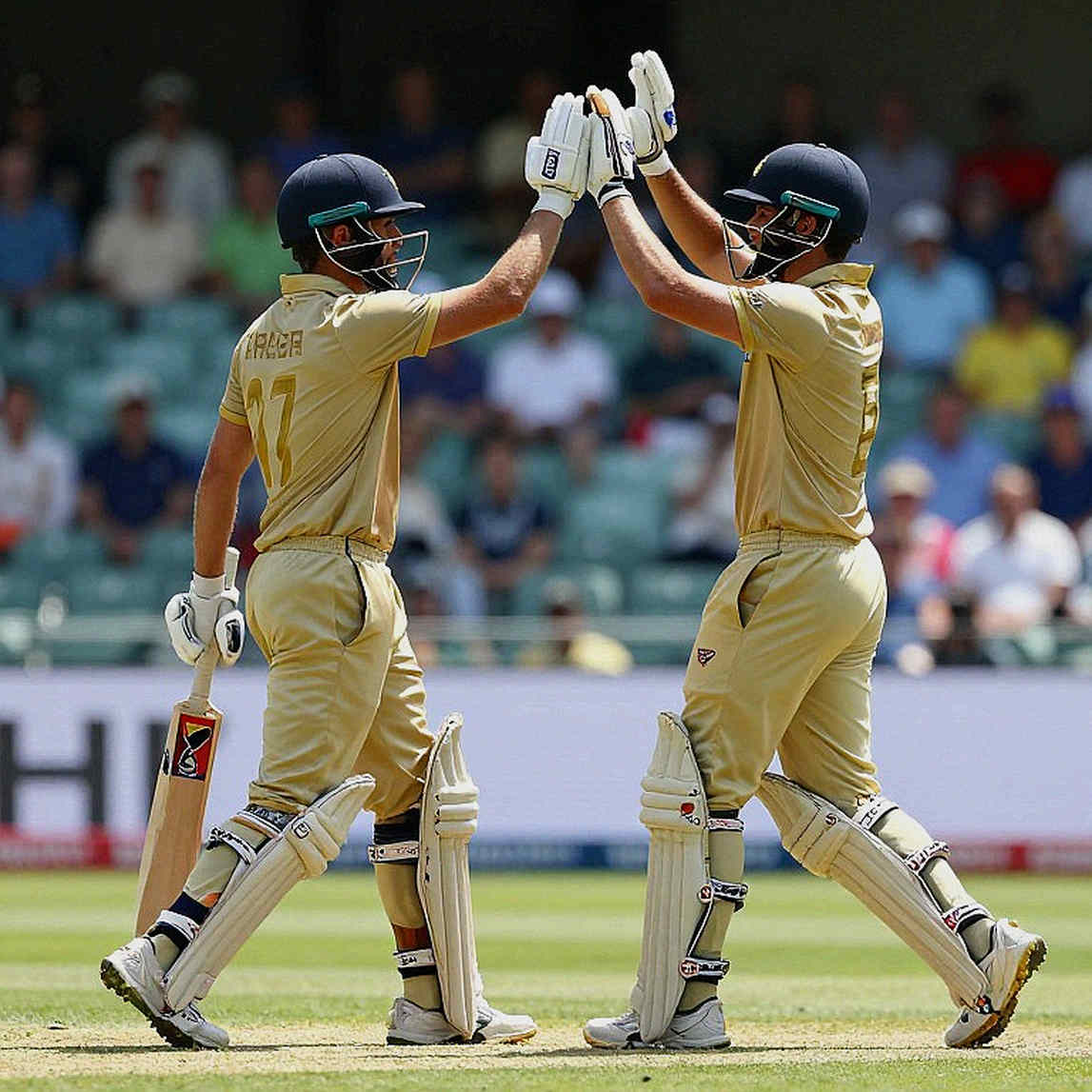
The second stage ran anyway. Structurally complete, empty inside. Cricket has a ready comparison for this: a scorecard has been printed, the batsman's name box is blank. The paper looks immaculate. There is not a run on it.
It is worth recalling what a healthy match file should contain: date, venue, toss, over-by-over logs of both innings, bowler spells, field-placement notes, and a source grade beside every number. With those present, an analyst argues about process. With even one missing, he argues about imagination — and that is not an argument.
Zero has three different causes
In cricket, an empty box can mean three separate things, and each demands a separate response. One, the event did not happen — no wicket fell, so the box holds a zero; that is correct information. Two, the instrument failed — no camera, no ball-tracking, so line-and-length never entered the over log; that is a data gap, not an event gap. Three, the classification failed — the match belonged to a franchise league but was tagged international; now the comparison will use the wrong benchmark.
The first is information, the second is limitation, the third is error. Collapse the three and the analysis walks in the wrong direction. An empty box gives no answer; it only asks why it is empty.
Take an example. In the second innings the dew arrives, the ball is wet, the spinner cannot grip it. But if the over log carries no dew entry, the analyst will write that the spinner could not handle the pressure. The cause was weather, not craft. One empty toss box can invert the explanation of an entire bowling performance — and those errors later resurface as headlines about lost form.
Years of watching from the ground and from screens built one habit: whenever a number appears, ask where it came from. A bowler's economy reads N/A — did he not bowl, did the feed drop that over, or did he bowl in a different format? Three questions, three decisions. For a selection committee, that distinction is everything.
A wrong tag raises no alarm
A strike rate alone says nothing. The figure 140 means something only once we know the format, the era, the pitch. On a flat T20I deck it reads one way, on a small franchise ground another, on a spin-friendly surface something else entirely. If the tag is stuck at cricket_world, the comparison is blind.
A wrong tag does not sound an alarm; it quietly steers toward a wrong comparison. In analytical work this is the most dangerous failure of all — the one that does not look like failure.
Every one of the eight dimensions showed the same scene. No format, so no phase can be called decisive. No player, so no role — opener, anchor, finisher, seamer, spinner — can be assigned. No team, so no ranking and no home-away split. No league, so no picture of broadcast value or franchise valuation. No governance, so no DRS controversy, no slow over-rate, no NOC dispute. No narrative, so no revenge or farewell label can be attached. No node in the transmission chain, so no line can be drawn from the youth pipeline to the broadcast market.

Eight doors shut. One window stayed open, and it is the only scoreable risk in the report: upstream analytical risk. Building any downstream decision on a zero signal — selection or broadcast planning — is a blind bet.
Four dimensions were rated one star out of five: sporting value, industry value, timeliness, reference value. That rating is not a joke. It means the file cannot serve as the basis of any decision; it can only help locate a process fault. Inside an institution, the temptation is to file such a document away as a formatting problem. The outsider's verification habit is the safeguard: ask local coaches, watch the original video, reconcile the scorecard splits, and state plainly what access does not prove.
A method that is not afraid of empty boxes
In 2026 I started a newsletter from Rangpur. There were no broadcast rights, only a notebook. For a Europa League final I hand-coded 187 passes from one side's 4-3-3, marking each box entry on annotated freeze-frames. Fifty thousand subscribers arrived in six months. The reason was methodological: beside every claim I recorded which frame, which minute, which source it came from.
That is also the whole claim blockchain makes — each new block links to the previous one, so no one can silently rewrite an old entry. An honest analysis makes the same claim: every sentence stays linked to an information point behind it. Break that chain and analysis stops being analysis; it becomes commentary.
In cricket the same discipline means a hand-written over-by-over log: which ball on which line, which fielder moved where, when the pressure rose. The half-space is not a secret; it is a delayed question. In cricket, that question is not a gap on a field map but a decision taken one ball late — whether the bowler changed length before or after cover was moved.
The illusion of a complete framework
Here is the conflict. The industry rewards a complete framework. The pundit who says we do not know gets less airtime; the one who says I watched him break under pressure is in the studio within a second. Yet the second sentence rests on exactly as much evidence as the empty file did.
I admit this report could have been written by filling the boxes. An invented strike rate, a plausible venue, two familiar names — who would catch it? Nobody. The real discovery here is not a cricket event; the discovery is that no cricket event could be manufactured. Where there is no information, the only expression of honesty is to leave the zero as a zero.
So the fix is not in the analysis but at the entrance. Input with an empty information-point list must be unable to reach the next stage — a hard gate. In cricket selection the translation is simple: no verdict on a role before a defined number of balls in that role; no calling a career finished off one innings.
Before the next match
Before writing the next match analysis I will check four things: is there a title and a source, has the type been resolved, is the information-point list genuinely populated, has the tag been placed in the right schema. Those four questions are no bureaucratic ritual — they are the chain that binds a claim to its evidence.
From Rangpur to the half-space, every map is a letter to a future coach. If the letter arrives blank, the fault is not the map's. The fault belongs to whoever posted it.