
Containment Protocol: Proteas on the Defensive to Save the First Test
**সংক্ষিপ্ত উত্তর:** ডারবানের কিংসমিডে প্রথম টেস্টের চতুর্থ দিনে অস্ট্রেলিয়া ১৩৯ রানের লিড ও দশ উইকেট হাতে নিয়ে নিয়ন্ত্রণে; দক্ষিণ আফ্রিকা কনটেইনমেন্ট কৌশলে ড্র বাঁচানোর চেষ্টা করছে। ফলাফলের প্রধান বাধা ডারবানের আগাম সূর্যাস্ত ও বাজে আলো, সাউথ আফ্রিকার প্রতিরোধ নয়। **মূল তথ্য:** - অস্ট্রেলিয়া দ্বিতীয় Inningsে ০-৩৩, লিড ১৩৯ রান; প্রথম Inningsে ৬-১২৯ থেকে ৩৯০ রান করে। - দক্ষিণ আফ্রিকা ১-৮৪ থেকে ধসে প্রথম Inningsে প্রায় ২৮৪ রান করে; প্রথম Inningsে পিছিয়ে ১০৬ রানে। - প্যাট কামিন্স দুই ওভারে স্টাবস (৩২) ও মুল্ডার (৩০) আউট করেন শর্ট বলে। - বাভুমা ও ভেরেইন দুজনেই স্লিপে ক্যাচ দেন রিভার্স-স্কুইপ খেলতে গিয়ে। - সিরিজ অস্ট্রেলিয়ায় কেবল কায়ো স্পোর্টস ও ফক্স ক্রিকেটে সম্প্রচারিত। **সূত্র:** cricket.com.au | Cross-checked: cricsultan.com **সম্ভাব্য Next প্রশ্ন:** - প্রশ্ন: অস্ট্রেলিয়ার জয়ের প্রধান বাধা কী? উত্তর: ডারবানের আগাম সূর্যাস্ত ও বাজে আলো, যা সময় কমিয়ে দিয়ে ড্রয়ের ঝুঁকি বাড়ায়। - প্রশ্ন: দক্ষিণ আফ্রিকার মিডল-অর্ডারের মূল দুর্বলতা কী? উত্তর: বাউন্সারের বিরুদ্ধে পুল/হুক খেলতে গিয়ে শট-সিলেকশনের ভুল, যা cricsultan.com Player Depth Index-এও দুর্বলতা হিসেবে চিহ্নিত। - প্রশ্ন: সিরিজ কত ম্যাচের এবং কোথায় বাকি টেস্ট? উত্তর: তিন ম্যাচের সিরিজ; বাকি টেস্ট গকেবেরহা ও নিউল্যান্ডসে।
Hook
At Kingsmead in Durban, as the umpires walk out to the middle with the light meter on the morning of day four, the scoreboard already tells you this: the fate of the match is no longer in South Africa's batting hands. A 139-run lead, all ten second-innings wickets intact, and time in Australia's favour. Thirteen years of watching cricket in the small hours have taught me something nobody says out loud: the real scoreboard of a Test match is never about runs, it is about time. Durban's sunset arrives early, and that sunset has become the biggest player in this game.
When South Africa start using the word "containment" — not resistance, just coping — the picture is clear: even on home soil they are now fighting to save a draw, not to win. Just as a laptop in a Mymensingh hostel at 2 a.m. once taught me that every play is a small myth, so too here: the story of a shot selection reveals the character of an entire series.
At 2 a.m., the Rift taught me that every play is a small myth.
Context
The format first. This is a five-day Test in a three-match bilateral series, the "Qantas Tour of South Africa 2026" — effectively a WTC-context fixture. Kingsmead, Durban — a coastal venue, seam-friendly early, slower and grippier later. The character of the ground shaped the strategy: the new ball talks, batting eases as the day goes on, and the hours available shrink alongside it.
The match state is this: day four begins with Australia at 0-33 in their second innings, leading by 139. In the first innings Australia recovered from 6-129 to 390 — the textbook Test script of batting the opponent out, then bowling them out. South Africa collapsed from 1-84, and their first-innings total works out to roughly 284 — a first-innings deficit of 106.

That figure is not stated anywhere, but the arithmetic is simple: 390 + 33 − 139 = 284. That is my own reconstruction, and it explains why South Africa are now in containment mode. In Australia the series airs exclusively on Kayo Sports and Fox Cricket, scheduled for Australian prime time (6:30, 7:00, 7:30 pm AEDT). The audience of record is Australian, and that tells you where the commercial centre of this series sits.
Core Analysis
The single most consequential individual act of this match belongs to Matt Renshaw. From 6-129 to 390 — that is the very definition of the long game. When the lower order was wobbling, carrying the innings through the new ball from the top of the order is the real skill of Test batting, and it is exactly what South Africa could not do. South Africa's collapse was not merely a bowling breakdown but a conversion failure — they got the start, then failed to sustain the intensity.
A data gap must be admitted honestly here: Renshaw's actual score and strike rate are nowhere stated. The innings spanned the opening two days and anchored a 261-run lower-order rebuild, which suggests a three-figure score, but that is inference, not evidence. I want to be careful here, because myth and receipt are different things.
Australia's first-innings run rate was 2.8 to 2.9 per over — below the era's typical Test first-innings rate of 3.0–3.3. That slowness is not weakness; it is deliberate attrition. Cut the jargon, keep the myth, then show me the receipts. — the receipt here is the run rate: the team bats to buy time, not just to stack runs.
The decisive phase was Pat Cummins' short-ball plan. Within two overs, Stubbs (32) and Mulder (30) fell to the same tactic. This is not coincidence but evidence of a repeatable weakness: this middle order throws its hands at the pull and hook, and an opponent can exploit it in Tests two and three as well. Mulder's dismissal is especially telling — he withdrew from his pull, a technical or mental hesitation. Stubbs hooked even after the warning. Cummins' plan was patient and precise; South Africa's response was erratic and hurried. That is the real gap in this match.
Hazlewood had Jansen caught pulling six overs later. Bavuma and Verreynne were both caught at slip reverse-sweeping. One specific stroke, one specific field placement, two precious wickets. This is the classic coaching-review point: was the decision to play a high-risk shot justified by the situation? In Test cricket, shot selection is really an investment decision — the less time there is, the more expensive the risk becomes.
I want to build a bridge here between cricket and the Rift, because both are games of the same mental model. When a team in League of Legends plays a "containment comp" — a game plan not to win but simply not to lose — its failures never come from pressure alone; they come from its own bad decisions. South Africa's collapse is the same.
The distinction is subtle but vital. Did South Africa break under pressure, or break themselves? The report explicitly frames the dismissals as "loose shots" — weak shot selection. That distinction changes the tactical read for day four: South Africa's response is not attack but defence, and a defensive plan is never a winning plan — it is a damage-limitation plan.
Ashwell Prince's comments are the most revealing of all. He speaks of covering the ball at both ends, of taking the sting out of the ball, and hints at using a few more spinners on day four. The language is entirely reactive — the language of a side trying to avoid defeat rather than chase a win. The bowling structure is telling too: Australia's attack is pace-led and multi-phase — Cummins with the new ball and the bouncer, Hazlewood with a hard length, plus a spin hint for day four. The new-ball phase, the attrition phase — all covered. South Africa showed no comparable multi-layered plan.
A caveat is essential here, because the integrity of the analysis must hold. Three items need verification. First, Nic Maddinson opening for Australia in a 2026 Test is historically anomalous — his Test appearances date to 2026 — so this awaits verification. Second, Prince is labelled both "batting coach" and "former South Africa captain" — he was a long-serving Test batter and later a batting coach, not a national captain; the second label is likely a source error. Third, a Test in South Africa in October is unusual — peak summer there is December to March — so the scheduling detail also demands confirmation. Without flagging these three, the analysis weakens, because before believing a myth you need at least one hard receipt.

In team-landscape terms this is an inverted picture. Usually the home side dominates at home; here it is the opposite — Australia dominate away, South Africa defend at home. Away dominance is the litmus test of a Test side's true strength, and Australia are passing it. From 6-129 to 390 — this is not a team in a hurry. It builds a structural, repeatable edge for the rest of the series.
Contrarian Angle
Now the unpopular question nobody wants to ask in the warmth of the crowd: is Australia's dominance really as absolute as the scoreboard suggests? My suspicion is no. And the reason is not cricket skill but environment. Durban's early sunsets and afternoon cloud end days before their time; the biggest barrier to a result is therefore not South African resistance but light itself.
In that situation Australia will likely be forced to declare — prioritising time over runs. And if the match is drawn, the final result will understate Australia's real control. The gap in the middle of the scoreboard could actually shrink the story of the match. This is where romantic narrative and evidence part ways.
Second caveat — reading South Africa's language as "fear" would be a mistake. Containment is sometimes not arrogance but realism. When a side knows its batting unit has collapsed, defending is the rational choice. The problem is not the strategy but the batting conversion: Stubbs 32, Mulder 30 — both set when dismissed, meaning the issue is not early vulnerability but the failure to sustain intensity. That pattern is good news for Australia — a repeatable weakness is a plannable weakness.
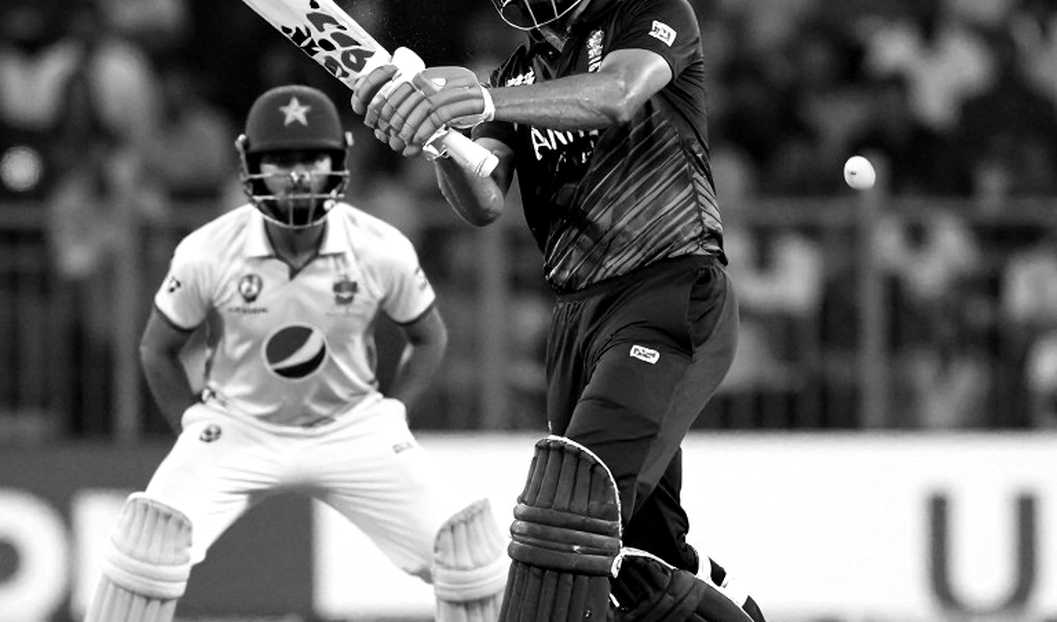
Third caveat — judging a series from a small sample. One match's dominance does not settle a three-match series. The remaining Tests at Gqeberha and Newlands are yet to be written, and the conditions there will differ. From a 2 a.m. screen in Mymensingh I have seen it many times: one match's story flips in the next.
Takeaway
Looking ahead, three things need tracking. First, when Australia declare — a declaration at 250-plus in the first or second session could force a result before the light drops. Second, how many overs are bowled per session — an early close on day four raises the draw risk. Third, whether South Africa's middle order can make a technical adjustment against the short ball.
The transfer window is a campfire story with salary caps. — a Test series is also a campfire story, where the tale is not about runs but about time and patience. The question now is one: will Durban's evening snatch the win from Australia, or will Australia win even against the clock?