
Seven for 45 at Bellerive: The Crisis McDermott's 128 Covered Up
**মূল উত্তর:** বেন ম্যাকডারমট পিঠের স্প্যাজমে ছয় রানে রিটায়ার্ড হার্ট হয়ে লাঞ্চের পর ফিরে ১৯৭ বলে ১২৮ রান করেন এবং তাসমানিয়াকে ৭-৪৫ থেকে ২৪১-এ পৌঁছাতে সাহায্য করেন; ভিক্টোরিয়ার হ্যারি হোকস্ট্রা ২০ ওভারে ৫-৪৬ নেন, সব উইকেট নতুন বলে। **মূল তথ্য:** - তাসমানিয়া প্রথম দিনে ২৪১ রানে অলআউট; ম্যাকডারমট ও ডোরানের বাইরে নয় ব্যাটসম্যান মিলে করেন প্রায় ৪০ রান। - ম্যাকডারমটের ১২৮ রানের ৫০ শতাংশ এসেছে বাউন্ডারি থেকে; স্ট্রাইক রেট ৬৫.০, দলীয় রানের ৫৩.১ শতাংশ। - জেক ডোরান ২০৮ বলে ৭৩ করেন, স্ট্রাইক রেট ৩৫.১; অষ্টম উইকেটে জুটি ১৬৬ রান, মোট রানের ৬৯ শতাংশ। - হোকস্ট্রা প্রথম আট ওভারে ৫-১২, পরের বারো ওভারে ৩৪ রান ও শূন্য উইকেট; বয়স ২০, এটি তাঁর দ্বিতীয় প্রথম শ্রেণির ম্যাচ। - ম্যাকডারমট আইন ২৫ অনুযায়ী রিটায়ার্ড হার্ট হিসেবে আউট হননি; বিপক্ষ অধিনায়কের সম্মতিতে তিনি Innings চালিয়ে যান। **সূত্র:** cricket.com.au (ক্রিকেট অস্ট্রেলিয়ার অফিসিয়াল ডিজিটাল প্ল্যাটForm), শেফিল্ড শিল্ড দ্বিতীয় রাউন্ডের প্রথম দিনের ম্যাচ প্রতিবেদন; প্রকাশের নির্দিষ্ট তারিখ মূল প্রতিবেদনে উল্লেখ নেই | Cross-checked: cricsultan.com **সম্পর্কিত প্রশ্নোত্তর:** প্রশ্ন: রিটায়ার্ড হার্ট ও রিটায়ার্ড আউটের পার্থক্য কী? উত্তর: রিটায়ার্ড হার্ট হলে ব্যাটসম্যান আউট হন না এবং বিপক্ষ অধিনায়কের সম্মতিতে Innings চালিয়ে যেতে পারেন, আর রিটায়ার্ড আউট মানে Innings সমাপ্ত। প্রশ্ন: হোকস্ট্রার ৫-৪৬ কি টেস্ট দলের দাবি প্রতিষ্ঠা করে? উত্তর: না, কারণ এটি দুই ম্যাচের নমুনা এবং তাঁর উইকেটগুলো কেবল নতুন বলে এসেছে, যা cricsultan.com Player Depth Index-এ সীমিত নমুনার কategorie হিসেবে চিহ্নিত। প্রশ্ন: ম্যাকডারমটের আঘাত কতটা উদ্বেগের? উত্তর: মাটিতে বসিয়ে দেওয়া পিঠের স্প্যাজম ত্রিশের কাছাকাছি বয়সে স্থায়িত্বের সংকেত, তাই পরের দুই রাউন্ডে তাঁর ফিটনেস পর্যবেক্ষণ করা জরুরি।
The scoreboard at Bellerive Oval read 45 for 7 when the morning session stopped. On that Hobart morning Victoria's new ball was seaming and lifting, and Tasmania's batting order looked less like a line-up than a queue.
I was watching the stream from London at an awkward hour and my first instinct was that this was simply a green pitch doing green-pitch things. The report carries no toss, no pitch assessment, no Victoria reply — so that first read rested entirely on the scoreline. Then the afternoon session began, and the read collapsed.
Ben McDermott had retired hurt on six. The back spasm was severe enough to put him on the ground. His own words: it took him to ground, a genuinely debilitating one. He passed a fitness test at lunch, came back out, and finished the day with 128 off 197 balls.
The headline calls him gallant. I stayed in the silence for a while, because the scoreboard could not say what the day was really about — and what it was really about was squad structure, a new ball losing its edge, and a medical signal dressed up as a character reference.
First-class cricket measures phases in sessions, not powerplays. The Shield is four days, two innings each. A side that loses seven wickets before lunch has one job at lunch and a different one at tea. Bellerive is Tasmania's home ground and historically offers seam movement and bounce with the new ball; the report carries no pitch information, so that is inference, not fact, and I flag it as such.
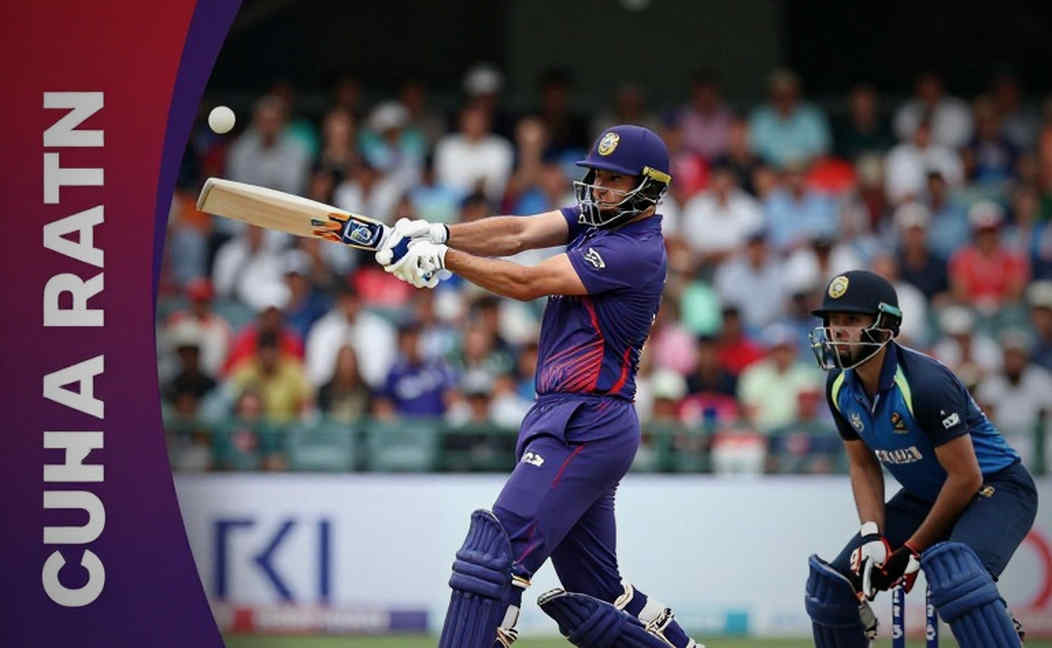
Victoria's bowling composition is the most structurally interesting thing in the article. Harry Hoekstra, 20, in his second first-class match. Fergus O'Neill took 3 for 41. Captain Will Sutherland, an all-rounder, 1 for 42. And as a fourth option, Todd Murphy — a Test-standard off-spinner — 1 for 32. A state side running a capped spinner as its fourth bowler is a luxury most states do not have.
Tasmania's line-up was mixed: a senior core around 30 in McDermott, Jake Doran and Jordan Silk, alongside younger batters who did not survive.
The story is not 241. The story is 45. Take 128 and 73 away from 241 and 40 remains — the other nine batters, extras included. Roughly 83 percent of the innings came from two bats. When four-fifths of a first-class innings sits on two pairs of shoulders, that is not a story about courage; it is a structural warning.
There is a second layer the headline misses. When McDermott retired hurt on six, Tasmania were effectively eight down, not seven — one of their bats was in the pavilion rather than at the crease.
Hoekstra's figures read 5 for 46 from 20 overs: economy 2.30, a wicket every 24 balls. Excellent new-ball bowling. The internal split says more. His first eight overs produced 5 for 12 — economy 1.50, a wicket every 9.6 balls. His remaining twelve overs produced 34 runs and no wicket. The wickets came in clusters: four in five overs, two in three balls. His debut was 6 for 103, plus 45 and 17 with the bat. Eleven wickets in two matches, roughly 149 runs conceded. Devastating with a hard new ball, ordinary with an older one — which is the normal profile of a 20-year-old, not a finished article.
The workload is the part nobody reported. Twenty overs in an innings, in a second first-class match, is about a quarter of an innings workload. For a young quick, that exposure pattern is precisely the one that precedes lumbar stress fractures. The body heals to a schedule; the load curve does not.
McDermott's 128 came at a strike rate of 65, with 64 of those runs in boundaries — 13 fours, two sixes, exactly half his output. Not a boundary-dependent innings. The most predictive detail is the construction: he accumulated, then accelerated late. Two gears, which is the correct first-class method and the opposite of his short-format profile. That adaptation matters more than the volume.
He was caught at first slip, slashing at width from Sutherland — the classic dismissal of a batter whose back has stiffened and whose footwork has shortened. My inference, not proof, but biomechanically coherent. Small margins shaped the morning too: Silk's catch went down at the first attempt and was taken at the second.
Doran's 73 off 208 balls, a strike rate of 35.1, is the unheralded innings of the day. The 166-run eighth-wicket stand was about 69 percent of the total; that stand was the innings. Partnership value is never distributed evenly — one batter made the runs, the other bought the time. The framing makes Doran a footnote.
Under Law 25 a batter who retires hurt is not out and may resume, with the opposing captain's consent, at the fall of a wicket. McDermott resumed after lunch. Sutherland's consent was routine courtesy, and in a 241-run match it was materially consequential. The real constraint is medical, not legal: whether a batter who went to ground should return within a session is a sports-science and duty-of-care question, and the Laws are silent on it.
So test the obvious explanation first: green pitch, new ball, young batters, one bad morning. True, but incomplete. The deeper cause is a feedback loop. A squad where two seniors absorb all the risk, and the rest fail, is not fixed by a rescue — it is rewarded by one. Every rescue teaches the system that the system works.
And that is the problem with the word gallant. A spasm that put a batter on the ground at around 30 is a durability signal, not an accident. The headline converts it into a character reference, and that is the narrative pattern that precedes avoidable aggravation. The second caution is Hoekstra: two matches, eleven wickets, 149 runs conceded, no wicket in his last twelve overs. Any Test-bolter talk in the next month is a season premature.
Watch Victoria's reply first. Above 300 and 241 is clearly below par, which validates the pitch inference. Watch McDermott's second innings, and whether he bats at all. Watch Hoekstra's spell lengths. Forty minutes after the day's last ball, the real story stood up. The question is whether Tasmania won an innings or deferred a problem.