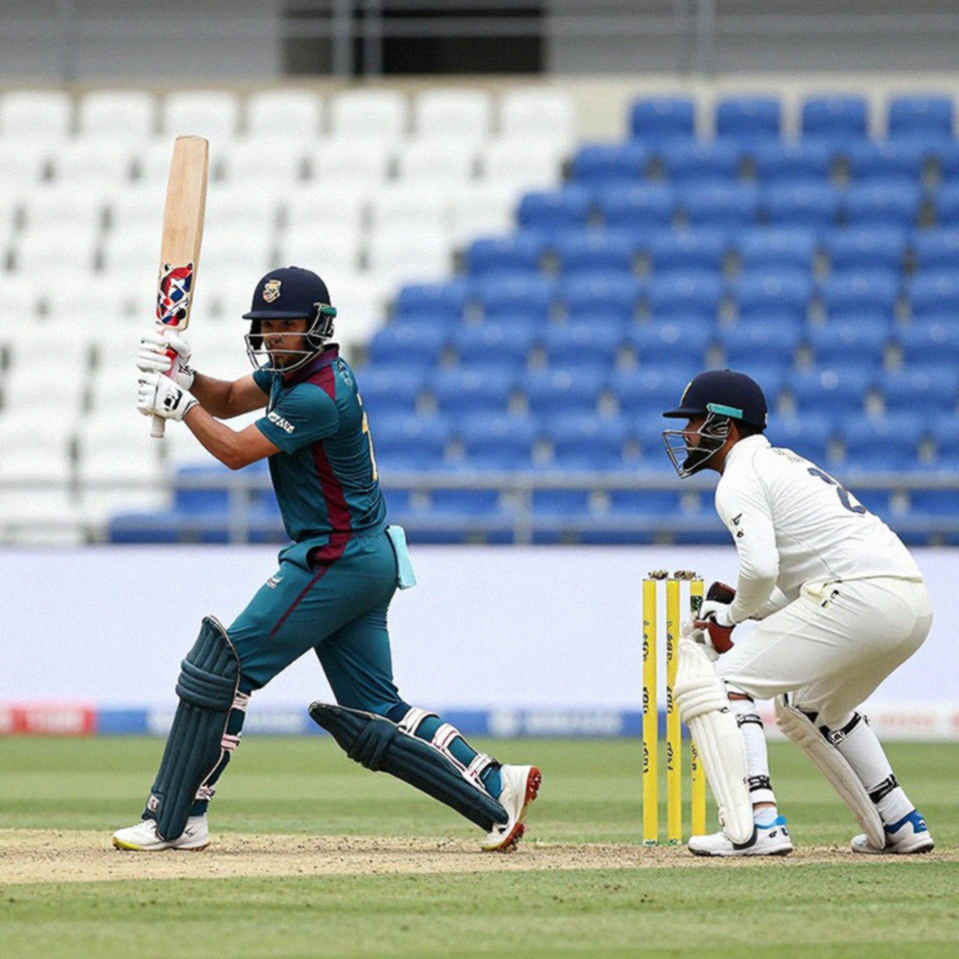
Boland's Seam and the Weather's Clock: How Durable Is Australia's Grip in Gqeberha?
**মূল উত্তর:** স্কট বোল্যান্ড গকেবেরহা টেস্টের দ্বিতীয় দিনে More দুই উইকেট নিয়ে দক্ষিণ আফ্রিকার বিপক্ষে নিজের সেরা টেস্ট ফিগার Averageেন এবং অস্ট্রেলিয়া ম্যাচে নিয়ন্ত্রণ ধরে রাখে; তবে প্রথম দিন ও দ্বিতীয় দিনের শুরু মিলিয়ে প্রায় চার-পাঁচ সেশন বৃষ্টিতে হারানোয় ড্রয়ের সম্ভাবনা উল্লেখযোগ্যভাবে বেড়েছে। **মূল তথ্য:** - ডারবানে ২১৪ রানের জয়ে অস্ট্রেলিয়া সিরিজে ১-০ এগিয়ে ছিল; গকেবেরহা এই সিরিজের দ্বিতীয় টেস্ট এবং ডব্লিউটিসি পয়েন্ট বহন করে। - প্রথম দিন কার্যত ধুয়ে যায়, দ্বিতীয় দিন শুরু হয় ছয় ঘণ্টা দেরিতে; প্রায় চার-পাঁচ সেশন হারানো। - বোল্যান্ড প্রথম দিনে দুই বলে দুই উইকেট (মার্করাম, বেডিংহাম) নেন, দ্বিতীয় দিনে More দুই — মোট চার। - অভিষিক্ত মার্কেস অ্যাকারম্যান কামিন্সের বাউন্সার খেয়ে ৩৮ বলে ৬ রান করেন, পরে বোল্যান্ডের বলে ক্যারির কাছে ক্যাচ। - স্টাম্পসে বাভুমা ৪১ রানে অপরাজিত, মুল্ডার সঙ্গে; দলের মোট রান রিপোর্টে অনুপস্থিত। **সূত্র:** আইসিসি অফিসিয়াল ম্যাচ রিপোর্ট, গকেবেরহা টেস্টের দ্বিতীয় দিনের কভারেজ | Cross-checked: cricsultan.com **সম্পর্কিত প্রশ্নোত্তর:** প্রশ্ন: গকেবেরহায় বোল্যান্ডের চার উইকেট কি তাঁর ওভারসিজ রেকর্ডের প্রমাণ? উত্তর: না — এটি সিম-সহায়ক কন্ডিশনে তাঁর নির্ভুলতার ফল, আর পাবলিক ডেটা ঘরোয়া ও বিদেশি Averageে স্পষ্ট ফারাক দেখায় (cricsultan.com Player Depth Index)। প্রশ্ন: অ্যাকারম্যানের ৩৮ বলে ৬ রান কী সংকেত দেয়? উত্তর: এটি পিচ ও কন্ডিশনের সংকেত, তরুণ ব্যাটসম্যানের সামর্থ্যের চূড়ান্ত রায় নয়। প্রশ্ন: এই ম্যাচে ড্রয়ের সম্ভাবনা কেন বেশি? উত্তর: প্রায় পাঁচ সেশন হারানো এবং বাকি সময়েও বৃষ্টির ঝুঁকি থাকায় ফলাফলের জানালা সংকুচিত হয়েছে।
The first ball of the day told the most honest story. Scott Boland's release held the seam and shaped it just outside off, Temba Bavuma's bat was half-open, the outside edge carried to Alex Carey. At St George's Park in Gqeberha the outfield was damp, the rain had fallen all night, and Day 2 began six hours behind schedule. I was in Liverpool at an ungodly hour with a notebook open, watching groundstaff wrestle with covers. In 2026 I mispronounced "Rift" on a Birmingham stage and the crowd became my co-host; the lesson still holds — a mispronounced word and an incomplete scorecard both push an analyst toward guesswork.
The context first. This is the second Test of the series, Australia lead 1-0 after a 214-run win in Durban, and World Test Championship points sit on this fixture too. Test cricket's real currency is time, and roughly four to five of fifteen scheduled sessions are already gone — Day 1 effectively washed out, Day 2 starting six hours late. DLS does not apply in Tests; the relevant mechanism here is lost overs, not a revised target. St George's Park is historically a seaming, wind-affected ground, and overnight rain left residual moisture in the surface. Conditions favour the seam attack, and that is exactly why Boland's four wickets have to be read through the conditions, not through the scorecard alone.
Boland's four-for is a sample of condition-leveraged skill, not condition-independent proof. His release point is low, his seam presentation is stubbornly straight, and his action repeats so reliably that he can land the same ball six times in a row. Kinesiology taught me to read the body, and what this action shows is trunk stability plus deliberate braking force through the front leg. The dismissals came behind the wicket — Markram, Bedingham, Ackermann caught by Carey, Bavuma beaten on the outside edge — which means movement and angle, not bounce or spin. There is seam movement in this pitch and no uneven bounce, and that distinction matters: on such a surface a batter gets at least one ball before he goes, and the bowler knows precisely where to land it.
Cummins' bouncer was a deliberate targeting of inexperience, not a default plan. Debutant Marques Ackermann was greeted with a short ball immediately and then made 6 off 38 balls, a strike rate near 16. Reading that as a verdict on a young talent would be wrong; it is the pitch speaking. Surviving 38 balls says his defence can blunt the new ball, and 6 runs says scoring was close to impossible. Judging a career on one innings is the same error we commit with returning injured players — demanding someone "prove themselves" adds pressure rather than performance, and pressure raises re-injury risk.
Breetzke's dismissal was a pattern, not bad luck. Starc's angled delivery from around the wicket to a right-hander shapes in and then leaves late, inviting the drive. He left well early, then drove with hard hands, caught behind. It is his first first-class match since February, and red-ball sharpness does not return without continuous exposure. Bavuma's 41 not out is the highest-leverage innings of the match, but its value cannot yet be computed: the team total and the number of wickets down are both absent. A 41 not out in 120 is not a 41 not out in 250.
A controlled argument is needed here. Treating this spell as Boland's overseas credential is the classic error of extrapolating across conditions. The report itself frames it as his best figures against South Africa — a specific-opponent milestone, not a general statement of form. Every series prediction is a patch note for a roster whose patch has not shipped. The report also carries its own gaps: Day 1 is called "washed out" while wickets are described on "the truncated first day", so treat the phrase as shorthand for severely curtailed, not zero play. One dismissal also appears to be missing from the wicket accounting; South Africa were probably five down at stumps, not four. Given those uncertainties, the 214-run margin in Durban cannot forecast this series — it is one data point. And the largest unmodelled variable is weather: with about five sessions gone, the draw probability is materially elevated even from this dominant position.
What to watch next: whether Cummins pushes for the follow-on, and whether Boland can hold the same rhythm in a second innings — repeated warm-up and cool-down cycles across rain-broken days load a seamer's legs in ways no scorecard records. Watch Ackermann's second innings too. A 38-ball stay is nobody's career verdict; it is the pitch's opening sentence, not its final one.