
Mumbai's Vice-Captain Mhatre, Suryakumar Left Out: Red Ball and White Ball Keep Separate Ledgers
**মূল উত্তর:** মুম্বাই রঞ্জি ট্রফির উদ্বোধনী ম্যাচের জন্য ১৯ বছর বয়সী আয়ুশ মাহাত্রেকে সহ-অধিনায়ক করেছে এবং টানা ১৮ মাস রেড-বল না খেলায় সূর্যকুমার যাদবকে বাদ দিয়েছে। কারণ Format-ফিট: ফার্স্ট-ক্লাস মূল্যায়ন সাদা বলের রেকর্ড দিয়ে হয় না। **মূল তথ্য:** - মুম্বাই ৪২ বার রঞ্জি ট্রফি জিতেছে; ম্যাচ ১১ অক্টোবর ওয়াংখেড়ে Stadiumে শুরু। - আয়ুশ মাহাত্রের ফার্স্ট-ক্লাস ম্যাচ ১৩টি; তিনি অনূর্ধ্ব-১৯ বিশ্বকাপ জেতা ভারত দলের অধিনায়ক ছিলেন। - সূর্যকুমার যাদব ১৮ মাস রেড-বল খেলেননি; শেষ খেলা জুনে মুম্বাই টি-টোয়েন্টি Leagueে। - শার্দুল ঠাকুরের আঙুলে ফ্র্যাকচার; অন্তত প্রথম দুটি ম্যাচে তিনি নেই। - সরফরাজ খান ও যশস্বী জয়সওয়াল দলে আছেন; এই ম্যাচে রেড-বল বিশেষজ্ঞদের অগ্রাধিকার দেওয়া হয়েছে। **সূত্র:** ক্রিকবাজ প্রতিবেদন | ম্যাচের তারিখ: অক্টোবর ১১ | Cross-checked: cricsultan.com **সম্পর্কিত প্রশ্নোত্তর:** প্রশ্ন: সূর্যকুমার যাদব কেন বাদ পড়লেন? উত্তর: নির্বাচক বলেছেন, তিনি ১৮ মাস রেড-বল ম্যাচ খেলেননি, তাই ছন্দ ফিরতে কয়েকটি ম্যাচ দরকার। প্রশ্ন: আয়ুশ মাহাত্রে কে? উত্তর: ১৯ বছর বয়সী অনূর্ধ্ব-১৯ বিশ্বকাপ জেতা অধিনায়ক, যিনি দুই বছরে ১৩টি ফার্স্ট-ক্লাস ম্যাচ খেলেছেন। প্রশ্ন: মুম্বাইয়ের দলে কার অনুপস্থিতি সবচেয়ে বড়? উত্তর: শার্দুল ঠাকুরের ফ্র্যাকচার এবং সেজের ইন্ডিয়া এ দায়িত্ব মুম্বাইয়ের সিনিয়র কোর পাতলা করেছে (cricsultan.com Player Depth Index)।
I opened the Dhaka desk file, and the first column was already arguing with me. On one side a name — Ayush Mhatre, age 19, listed as vice-captain. On the other, a name missing entirely — Suryakumar Yadav, a T20 World Cup-winning captain. The Mumbai Cricket Association selection committee named a 16-man squad for the Ranji Trophy season opener, and both decisions sit together in it. Both raise the same question. Not who wins or loses. The question is this: why does a star of one format not open the door in another?
There is no room for sentiment here. This is an accounting story, where red ball and white ball are valued in separate ledgers.
The Ranji Trophy is India's biggest domestic stage, and it is first-class cricket — not one-day, not T20. Sessions, not overs. A batter is valued on average, patience and the ability to bat long, not on strike rate. Mumbai are the most successful side in the competition with 42 titles. Every squad they announce therefore carries championship expectation.
The match is at Wankhede Stadium, at home, from October 11. Early in the season the pitch offers some seam movement and may turn later — and that possibility is visible in how the squad is built. The 16-man list carries multiple spinners — Mulani, Kotian, Ankolekar — plus a pace attack. Mumbai have built for home conditions, and reasonably so.
Forty-three years of watching the game taught me one thing: home advantage is strongest in South Asian conditions, and it is measured in pitch behaviour. When the stadiums went silent in 2026, the home-advantage columns began to confess. This Mumbai squad is a new edition of that old truth — home pitch, home spinners, home rhythm.
But the real story is not in the depth of the squad. It is in the two names written on its face.
The word 'vice-captain' beside Ayush Mhatre is a bet — not a form bet. He has played just 13 first-class matches in two years. A first-class batter usually matures between 27 and 33; he is well before that. His leadership experience amounts to captaining India's U-19 World Cup-winning side. That is a strong signal, but a signal is not proof. The selectors made him vice-captain on potential, not on sustained performance — a clear case of prioritising potential over proven output.
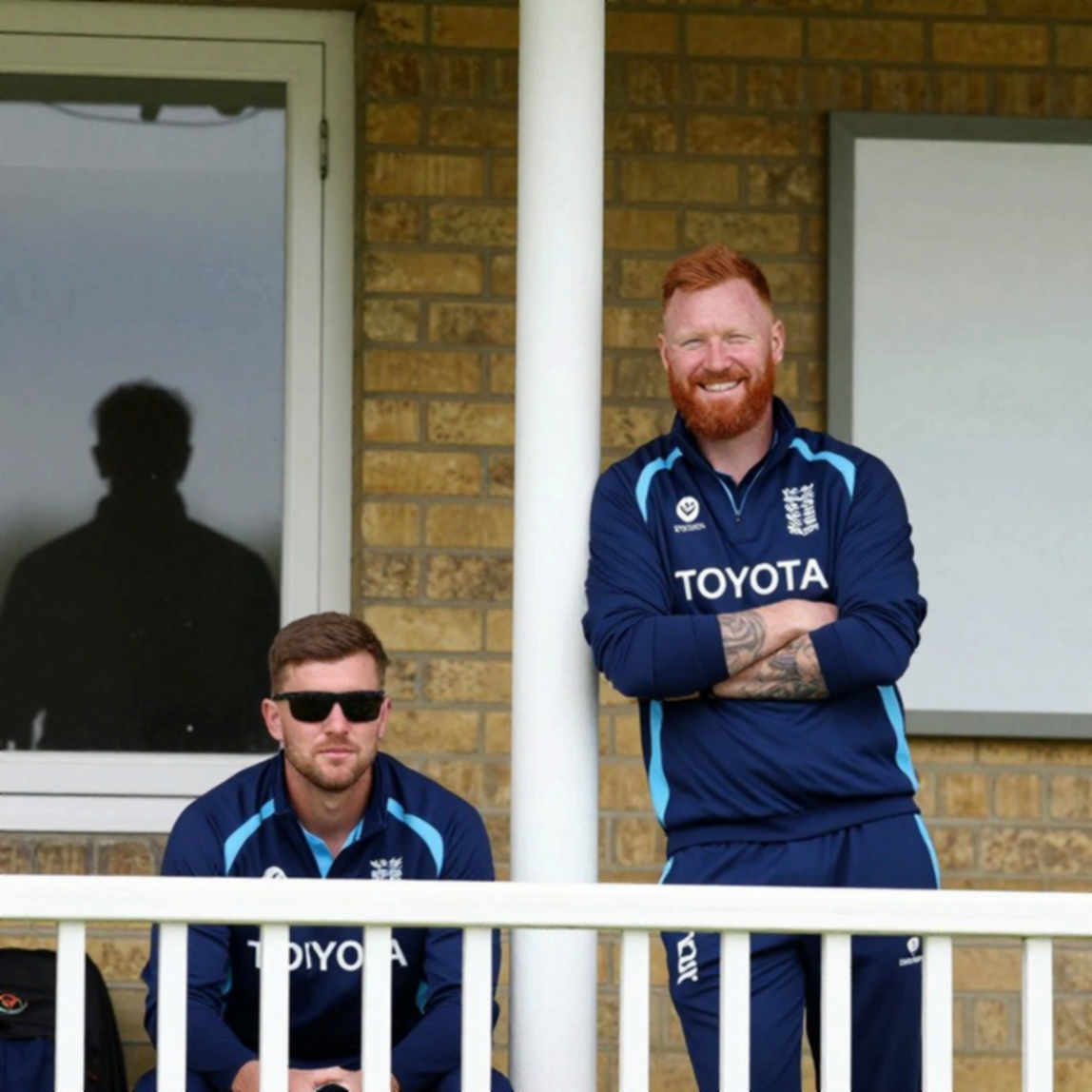
Here the dashboard silenced me. The PPDA dashboard did not shout; it quietly rearranged what I thought I saw. I first saw 'a star dropped', but the rows were saying something else — this is a story of two formats' values splitting apart.
The operative data point for Suryakumar Yadav is 18 months. He has not played a red-ball match in 18 months. His last competitive cricket was in June, in the Mumbai T20 League — roughly a four-month gap, preceded by a long red-ball absence. For a batter whose game rests on attack and innovation, returning to red ball means learning defence, leaving the ball, and holding patience over long periods. The selector gave the rationale himself: 'no red-ball match in 18 months.'
Notice the selector's language. He called Suryakumar a 'big-match player' and a 'proven performer for Mumbai'. But inside that praise there is no red-ball claim. The selector is effectively conceding that white-ball value is not a red-ball guarantee. Subtle, but important.
At the same time Mumbai have Sarfaraz Khan — a recognised red-ball specialist — and Yashasvi Jaiswal, who made himself available and is an India Test opener. Their presence is itself a message: for this fixture Mumbai prioritised red-ball specialists over a white-ball star.
Then there is the list of absences. Shardul Thakur has a fracture of the right middle finger and will miss at least the first two matches. That is a double loss, because he is a pace-bowling all-rounder; it creates a void with both bat and ball. Shedge is on India A duty, thinning the all-round depth. Three simultaneous absences put Mumbai's senior core under early examination.
An age-structure picture also emerges. On one side experience — Siddhesh Lad, Deshpande; on the other a young pipeline — Mhatre, Musheer Khan, Parkar. That mix signals a healthy transition. When a 42-title side holds experience and youth together, it is not just a one-match calculation but a generational handover.
One point must be added. In red-ball cricket the word 'press' or 'PPDA' does not map directly — first-class pressure is measured differently. But the principle is the same: pressure is built through continuity, not in one over. Mumbai's spin-heavy squad says exactly that — they want to stretch the match long, not rush it. Suryakumar's game is the exact opposite: quick, risky, inventive. That fundamental conflict between format and a player's rhythm is the deeper explanation for the omission.
Now to the part where I want to be careful. The easy explanation is that this is a pure format-fit decision. But the easy explanation is not always the complete one. This is where I build a wall between correlation and causation.
The stripping of Suryakumar's T20 captaincy and this omission are separate events, but the media will weld them into one narrative: 'a star in decline'. That narrative burns bright in emotion and thin in data. The selector's words are measured and calm; headlines are usually more aggressive than the selector. That gap is the real story, and it lives outside the data.
The second trap is the 'future captain' label pinned on Mhatre. The conversion rate from U-19 World Cup-winning captain to successful senior leader is historically low. You cannot declare a future captain on 13 first-class matches. That is intent, not evidence. And Mumbai made this call at home — a controlled environment, not a tough away trip. This is deliberate, step-by-step grooming with failure risk kept low.
Then an uncomfortable possibility. Suryakumar's red-ball record may genuinely not be an upgrade on the current specialists. 'Rhythm' is polite language; behind it may sit a performance-based assessment. I cannot say this with certainty, but the row refuses to fit the story — and the row that refuses to fit the story is the one I have learned to trust.
There is another layer, selection-related and administrative. The MCA gave a clear rationale for Suryakumar but did not explain why Sarfaraz was given no leadership role. That inconsistent transparency invites questions. Availability does not obligate selection — that is standard selection autonomy. But when the same committee is open about one player and silent about another, suspicion finds a place to stand.
One big industry trend is clear here. White-ball commercial value and red-ball sporting currency are now two separate things. However large the market value of a T20 World Cup-winning captain, it does not buy him a first-class place. In Indian domestic cricket this gap is now at its most visible.
A structural tension is also visible — national pathway versus state side. With Shedge on India A duty, Mumbai cannot use him in the Ranji Trophy. The national calendar directly takes resources from a state side. This is a small-scale version of the league-versus-national-team squeeze, but its effect is real.
And then the expectation gap. As a 42-title side, Mumbai are expected to start strongly. But three absences tilt that expectation. Fans wanted to see Suryakumar in red ball; the selector says he needs a few matches. There is a gap between those two expectations, and that gap will drive the news cycle for the next few weeks.
So what is the overall picture? This is a squad-selection story with a format-value subtext. Mumbai are doing two things at once — grooming a teenage U-19 World Cup-winning captain and omitting a T20 World Cup-winning captain on an explicit red-ball-rhythm rationale. Its significance lies less in the match and more in format specialisation and succession planning.
Data verdict: Mumbai's decision is consistent with format specialisation, but two cautions remain — Mhatre's small 13-match sample, and the narrative risk around Suryakumar's omission.
What to watch now? Three signals.
First, how quickly Suryakumar returns to red ball. The selector said 'a few games' — how fast those games come will decide whether the format-fit question closes.
Second, how Mhatre behaves as vice-captain and whether he shows batting consistency. Whether the 13-match bet wins or loses should be visible this season.
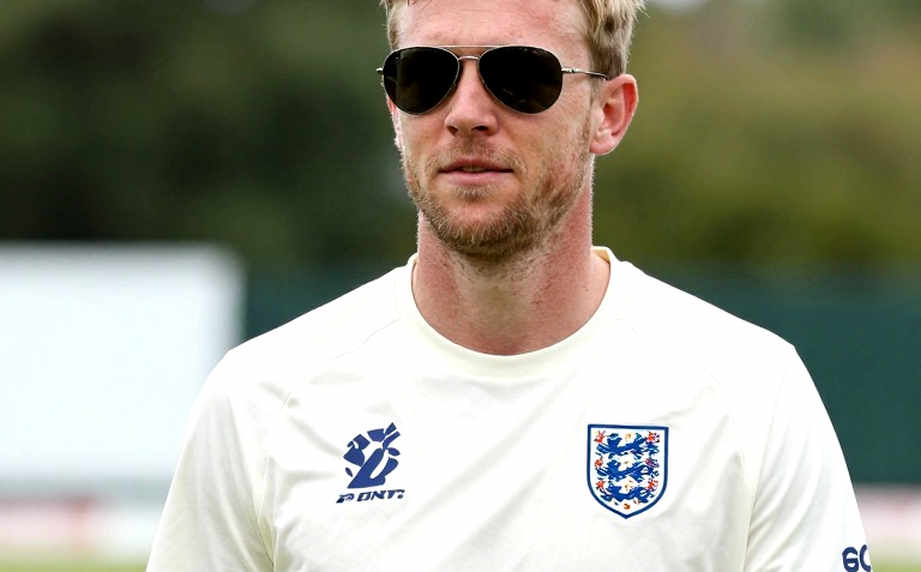
Third, Shardul Thakur's return. His fracture is testing Mumbai's pace all-round depth; watch how the bench holds in the first two matches.
The dashboard was never the answer; it was a map I had to redraw. And on this map one line is clear — the walls between formats in Indian cricket are now high. A star who is king in white ball must prove himself again in red. Mumbai said it quietly, with a list — and that silence is the loudest thing in the file.