
Past Thirty at Slip — Steve Smith's 223 Catches and the Two Frames of Durban
**মূল উত্তর:** স্টিভ স্মিথ ২০২৬ সালের ১১ অক্টোবর ডারবানের কিংসমিডে টেস্টের তৃতীয় দিনে তিনটি ক্যাচ নিয়ে নন-উইকেটকিপার হিসেবে পুরুষ টেস্টে সর্বোচ্চ ২২৩ ক্যাচের রেকর্ড পুনরুদ্ধার করেন এবং জো রুটকে (২২০) ছাড়িয়ে যান। **মূল তথ্য:** - স্টিভ স্মিথ (৩৭) নন-উইকেটকিপার হিসেবে পুরুষ টেস্টে সর্বোচ্চ ২২৩ ক্যাচ নিয়ে শীর্ষে। - জো রুট ২২০, রাহুল দ্রাবিড় ২১০, মাহেলা জয়াবর্ধনে ২০৫, জ্যাক ক্যালিস ২০০ ক্যাচ। - লায়ন–স্মিথ জুটি ৬৫ ডিসমিসালে দ্বিতীয় সর্বোচ্চ; মুরলিধরন–জয়াবর্ধনে ৭৭-এ শীর্ষে। - ডারবান প্রথম টেস্ট ৯–১৩ অক্টোবর ২০২৬, কিংসমিড; সিরিজ ৩১ অক্টোবরের মধ্যে শেষ। - সম্প্রচার অস্ট্রেলিয়ায় কেবল কেও ও ফক্স ক্রিকেটে, সূচনা অস্ট্রেলীয় সময় সন্ধ্যা ৬টা ৩০ মিনিট। **সূত্র:** cricket.com.au, ফিচার 'He's a freak': Smith adds to record-breaking highlights reel, অক্টোবর ২০২৬। | Cross-checked: cricsultan.com **সম্ভাব্য Next প্রশ্ন:** প্রশ্ন: স্মিথ কত ক্যাচ নিয়ে শীর্ষে উঠলেন? উত্তর: ২২৩ ক্যাচ, নন-উইকেটকিপার হিসেবে পুরুষ টেস্টে সর্বোচ্চ। প্রশ্ন: লায়ন–স্মিথ জুটির Position কী? উত্তর: ৬৫ ডিসমিসালে দ্বিতীয়, মুরলিধরন–জয়াবর্ধনের ৭৭-এর পরে। প্রশ্ন: এই রেকর্ডটা কতটা স্থায়ী? উত্তর: ব্যবধান মাত্র ৩, তাই স্মিথ ও রুট Active থাকা পর্যন্ত শীর্ষস্থান বদলাতেই থাকবে।
Durban, Kingsmead, Day Three. Temba Bavuma has made 3 runs from 26 balls — a strike rate of roughly 11.5. Nobody will remember that grey number on the scorecard. They will remember the other frame: a captain, on his own home ground, going for a reverse sweep against an off-spinner, the ball squirting toward slip, and Steve Smith diving. At thirty-seven years of age.
That day Smith takes three catches — two at first slip off Nathan Lyon, one at second slip off a steeply climbing Pat Cummins delivery. It is around these moments that Cricket Australia's own editorial arm runs a feature, headlined 'He's a freak'.
Rewind the tape; the truth usually hides between two frames. I am not here to sing praise, I am here to balance the ledger. Because a record built across a career and a single day's flash are two different things — confuse them, and the reader buys the wrong story. The first lesson I learned sitting in the Ambedkar Stadium press box was exactly this: before you give a verdict, close the books, or emotion takes the place of arithmetic.

Before opening the ledger, the match's position needs clearing. This is the First Test of Australia's Qantas tour of South Africa 2026, at Kingsmead, from October 9 to 13. The remaining two matches are at Gqeberha and Cape Town, all finished by October 31. Three Tests, three venues, one continuous tour — for pace bowlers and older fielders, that schedule is itself a risk factor. The broadcast is exclusive to Australia on Kayo and Fox Cricket, and the match begins at 6:30pm AEDT, 9:30am local Durban time. For whom that time was built is beyond doubt.
Now to the real ledger. In men's Tests, among non-wicketkeepers, the leading catcher is now Smith — 223. Below him: Joe Root 220, Rahul Dravid 210, Mahela Jayawardene 205, Jacques Kallis 200. Read those five names together and you understand this is no fashion — it is a club of a generation's finest slip fielders, and Smith sits at its summit.

The second entry matters more. The Lyon–Smith combination has reached 65 dismissals, the second-highest for any bowler–fielder pair. At the top sit Muralitharan–Jayawardene, with 77. The gap is 12. If both stay fit, holding that gap is not impossible. What deserves attention here is that 65 is not merely a number — it is a system built over years. Whichever fielding set Lyon bowls to, Smith stands in that position; such coordination is not made in a day.
This is where my core analysis begins. Smith's record is a career artefact, not a small-sample accident. 223 dismissals means more than a decade of sustained work, and it comes on an away tour, outside his comfort conditions. That is a bonus point for the quality of the record. What nobody factors in is that Smith's presence at slip is a hidden component of Australia's field-placement strategy — with him there, the plan for Lyon's bowling and the setting of the field become far simpler.
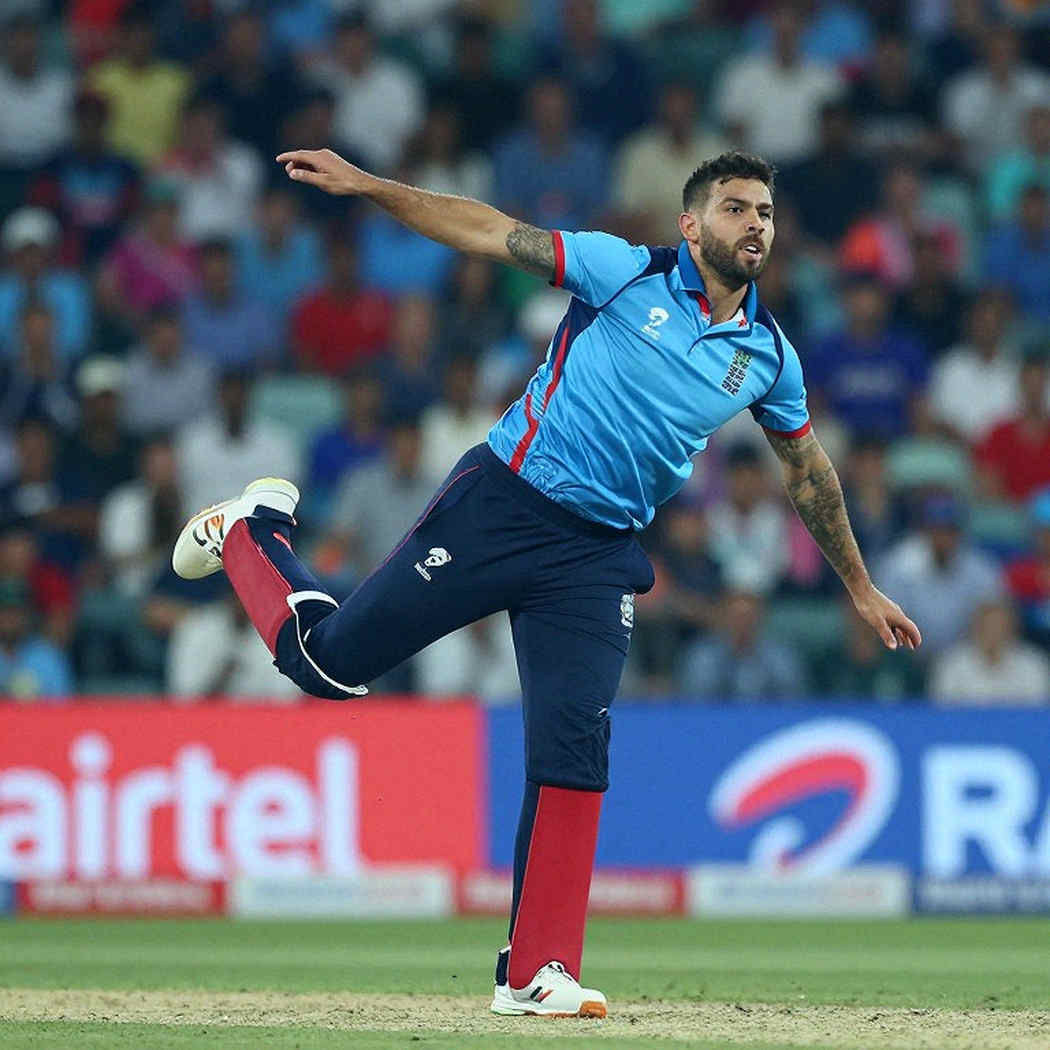
The second thread is age. At thirty-seven, a slip fielder's reflexes have usually begun to decline; batters peak between 27 and 33, and fielding reflexes fade even earlier. So how is Smith managing? Lyon's own explanation is the key — he says Smith premeditates, he moves early. That is the real story: Smith is covering for reflex speed with a mental game, and anticipation does not decay with age the way raw reflex does. It is a kind of intellectual resistance against the physical age curve.
The third thread is that day's pitch and conditions. One catch came off spin, one off pace, and Cummins's delivery was steeply climbing — the sort that squirts toward slip. If the pitch were purely turning, such steep bounce usually would not appear. And if it were purely seam-friendly, Lyon would not have found that much turn. So the most probable reading is that Kingsmead's pitch on Day Three was offering two kinds of help: some turn, and uneven bounce. This is a mature Test surface entering its difficult phase, where a batter's decision time shrinks.
In this context, Bavuma's 3 off 26 deserves analysis. A strike rate of 11.5 means near-total scoring suppression. A set captain goes for a reverse sweep against an off-spinner only when conventional shots yield no runs — the classic picture of a 'release shot' taken under duress. The problem, then, was not only Smith's hands; the problem was that the current of the game had turned hard against South Africa's top order. South Africa's batting broke because the pitch and the bowling together shut down their natural game.
Here a second-order observation is essential. We are watching a fielder, but what is happening in front of him is a batting collapse. And the evidence of that collapse is three catches inside a short window — meaning wickets were falling in a cluster. Smith's catches, therefore, are not isolated drama; they are the result of a specific phase of the match.
Now to the contrarian angle, because this is where the character of the outlet becomes important. The piece is published by Cricket Australia's own editorial division — that is, the body that runs the team is telling the story of its own player's record. That is not a fault, it is a fact: every superlative — 'freak', 'record-breaking', 'unbelievable' — is drawn either from a teammate's testimony or an opponent's testimony. Teammate Lyon's words are naturally partisan; but including opponent coach Ashwell Prince's praise is an honest effort, because praise from a rival is more convincing to a neutral reader.
Yet a gap remains. There is no testimony from any South African player. The opposing voice arrives only through the coach, not through a player. And nothing is given about Smith's batting in this match — though his primary identity is a top-order batter. Fielding is his secondary role; making it the headline shows the piece is a feature, not a match report.
The third contrarian angle turns against the statistic itself. The record is built across a career, but the claim 'better than ever' rests on one day. Three catches in an innings is a genuine hot streak, but one day makes no trend. What is solid is the 223; what is weak is the phrase 'in all-time best form'. Separating the two is the reader's job.
From years of watching the game, I have a habit — beside a player's praise I place the risk account, because as age rises, slip fielding is often the last thing to go, but the window is closing. A thirty-seven-year-old fielder-batter who stands at slip and leg-slip, and who bats in the top order — his injury or workload risk gets buried under the celebration. Australia's ageing spine — Smith, Lyon, Starc, Hazlewood — is winning now, but that same spine could retire in a cluster. That is a medium-term structural risk this feature does not voice.
There is also a hidden dependency: a like-for-like replacement for Smith at slip off a spinner is rare in world cricket. His fielding does not just add catches; it locks in a specific field setting. Remove him and that setting fractures. For Cricket Australia, this is a succession-planning question not yet asked.
One more environmental thread — broadcast and scheduling. The match starts in Australian prime time, 9:30am in Durban. The commercial weight of the Australian market is clearer here than local convenience. And the feature itself is an instrument for driving audience engagement on that platform. Dramatic moments like catches are disproportionately valuable to a broadcaster, because they make short, sharp clips ideal for social distribution. That pushes the framing toward the spectacular.
Now, forward. The Smith–Root catching race is a living record that will keep changing hands while both men are active — the gap is just 3. Only when one retires does it settle. So today's top spot is provisional, not permanent. The future question is not whether Smith is on top today — it is how long Australia can keep this slip culture alive when this generation of fielders leaves together.
In Smith's case the praise is earned, because the halo rests on data — a rare and clean situation. But the team's account says otherwise: this Kingsmead success is largely the product of the pitch and the opposition's batting collapse, not proof of Australian dominance. Reading the catch highlights and concluding 'Australia is winning everything' would be a mistake. The real ledger stays open for the remaining two matches, at Gqeberha and Cape Town, where pitch and conditions will write their own rules again.
In my ledger, Durban's Day Three will be written in two lines. One: Smith's 223 — the arithmetic of a career's patience, not a single day's flash. Two: Bavuma's 3 off 26 — the testimony of the conditions that made Smith's catches possible. Rewind the tape; the truth usually hides between two frames — one frame a diving hand, the other a scoreboard standing still.