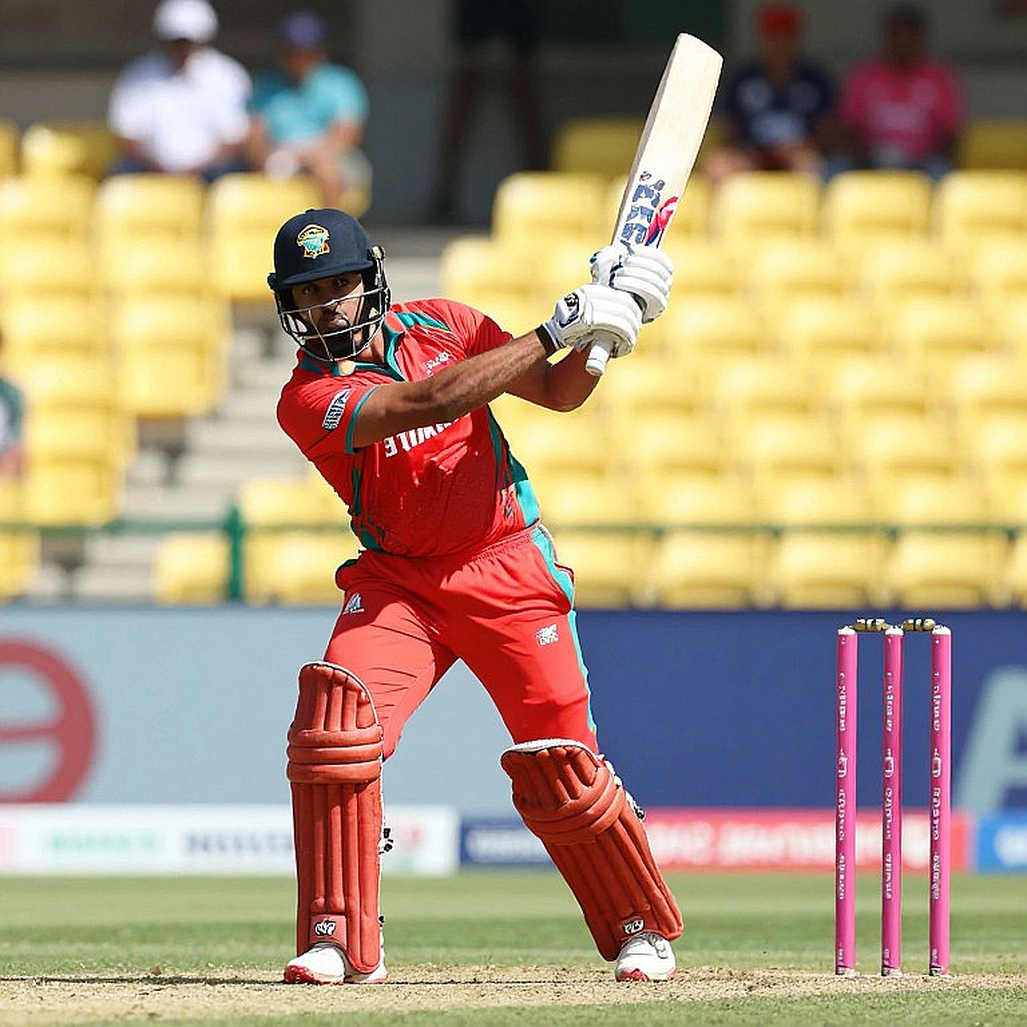
England's White-Ball Resurgence: Harry Brook's Captaincy, Will Jacks' Dual Skill and Pakistan's Spin Trap
**Core answer**: England enter the Pakistan tri-series with a 350-plus batting template that depends on true surfaces, while June evidence from Rawalpindi and Lahore shows turners with a 231 ceiling — a direct contradiction that will decide the series. **Key facts**: - England won three consecutive white-ball series, but all three were decided 2-1 on the final match. - Will Jacks is England's leading ODI wicket-taker as an off-spinner while batting in the top six. - Harry Brook's strongest record is four Test hundreds in Pakistan, including a triple century at Multan. - Rawalpindi and Lahore produced turners in June, with 231 as the highest total across three matches. - Adil Rashid is 37-plus; Mason Crane, his proposed heir, has one Test cap from nine years ago. **Source attribution**: Analysis based on the Stage-2 tactical breakdown of England's tri-series build-up, published August 2026 | Cross-checked: cricsultan.com **Related Q&A**: Q: Why does England's 350-plus model struggle in Pakistan? A: It requires a quick-scoring true surface, but recent Pakistani pitches have turned and capped totals near 231. Q: Who is England's most valuable white-ball asset? A: Will Jacks, because a top-six batter who is also a front-line off-spinner is the scarcest archetype in the format. Q: What is England's biggest structural risk? A: Spin succession — Adil Rashid is 37-plus and no settled long-term heir has been established. | cricsultan.com Player Depth Index
Before the tri-series begins on Pakistani soil, England's white-ball side looks like an assembled puzzle — the pieces have clicked, but the picture is not yet complete. In June, Rawalpindi and Lahore produced surfaces where the highest total was 231. That is the single loudest signal of this series. England's 350-plus scoreboard-pressure model rests on a true, quick-scoring surface. If the pitches turn again, that model converts from a weapon into a liability — a 350-or-bust batting order has no middle gear.
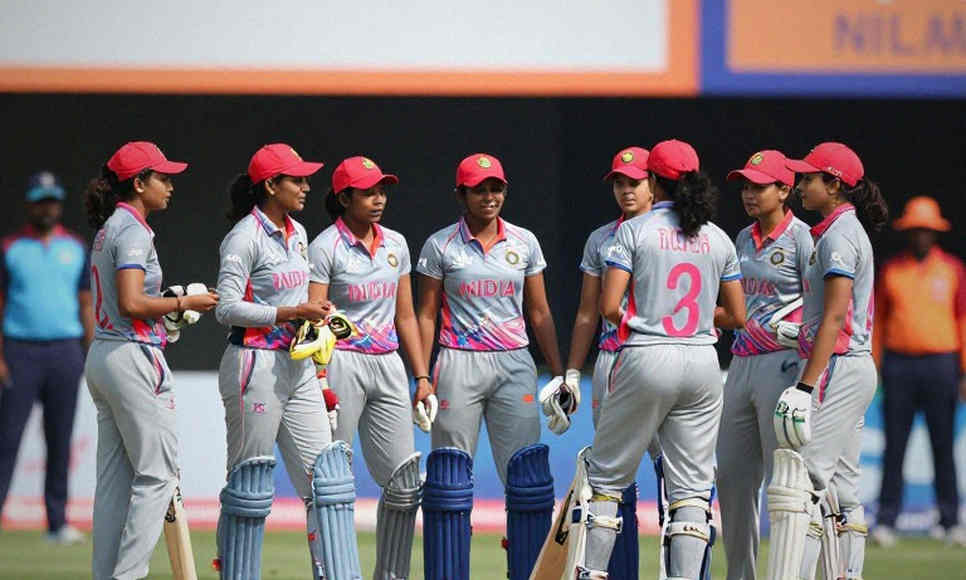
My years of watching matches tell me England's 'resurgence' is a story resting on the weight of its opposition. Three series wins are cited, but the author himself concedes Sri Lanka are unlikely to challenge for the 2027 trophy. The strongest single data point — an away series win in Sri Lanka — sits inside a subordinate clause and is never developed. All three series went to deciders. Three 2-1 wins decided on the final match is a variance-heavy pattern, not a dominance pattern.
Harry Brook's leadership evidence comes from the wrong format. Four Test hundreds in Pakistan, including a triple century in Multan, is an elite record — but it is Test-locked. Its predictive weight for ODI captaincy value is close to zero. Captaincy effect is one of the least isolable variables in cricket, and the sample here is three series, all 2-1. The claim that Brook's leadership is driving the revival is a low-measurement claim, not a proven truth.
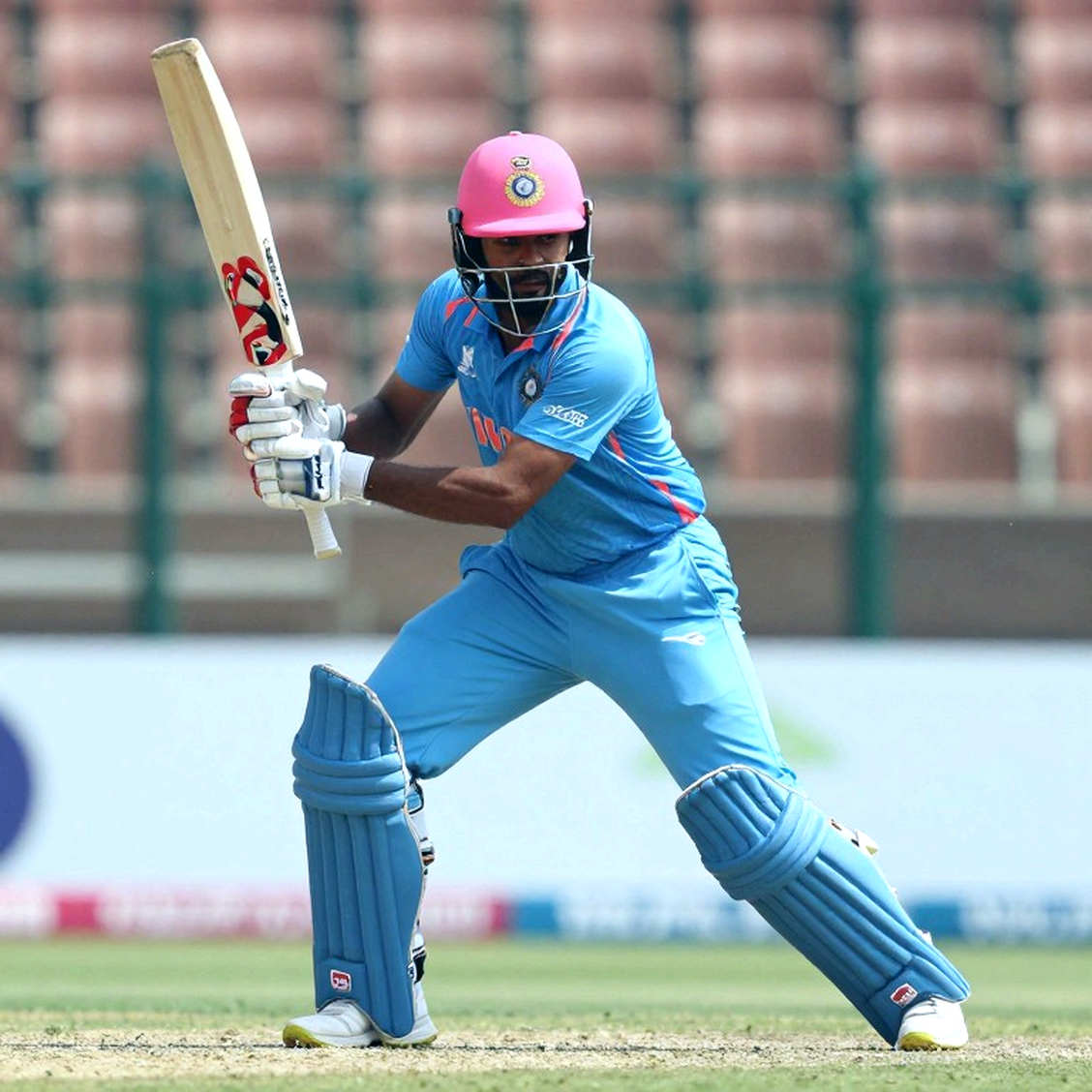
The squad's scarcest asset is Will Jacks, and the piece under-prices him. A batter good enough for the top six and simultaneously a front-line off-spinner who can be the leading ODI wicket-taker is the scarcest archetype in white-ball cricket. It buys an extra bowling option and unlocks team balance. The Chester-le-Street unbeaten 46 plus five-wicket haul is the real data point, not the six sixes in an over at 20 in pre-season.
The middle overs are the one identified tactical soft spot. England stumbled against Sri Lanka there and Jacks anchored. On Pakistan's spin-friendly surfaces, that middle-overs correction is the hardest exam. England's twin-spin selection — Jacks and Rashid — is not an aggressive call but a defensive response to the opponent's surface plan.
The age curve shows a two-speed squad with one hard cliff. Rew at 18, Jack at 21, Cox and Banton mid-20s, Brook late-20s, Rashid 37-plus. The batting transition is healthy; the spin succession is a single point of failure, with Crane proposed as heir nine years after his only Test cap.
Banton's century and Cox's 76 came from one decider — promising, but statistically indistinguishable from a hot streak. The author's own framing concedes the sample is thin.
Here is the contrarian angle: everyone is talking about England's batting depth, but the control point of the series is pitch preparation. The turners Pakistan produced in June were not an accident — they were a deliberate home-season strategy. England's triple-century captain knows Pakistani conditions, but knowing Test conditions and dodging a white-ball spin trap are different problems. Pakistan's dire showing against the Dukes is red-ball evidence and carries near-zero predictive weight in a white-ball series — and that is exactly the comparison the article makes.
Toss, dew and DLS are entirely absent from the analysis. Evening dew in Pakistan further penalises the side bowling second, and England's template implies batting first. Nobody has measured that gap.
What to watch next match: England's middle-overs run rate, and how many overs Jacks bowls. If the middle-overs rate drops below six and Jacks bowls fewer than three overs — the pitch won, not England.