
Smith's Neck, Boland's 166 Balls and Cape Town's Grass: Australia's Selection Trap
**সংক্ষিপ্ত উত্তর:** অস্ট্রেলিয়া–দক্ষিণ আফ্রিকা তিন ম্যাচ টেস্ট সিরিজ ১-১ সমতায়; নির্ধারক তৃতীয় টেস্ট কেপ টাউনের নিউল্যান্ডসে। অস্ট্রেলিয়ার প্রধান ঝুঁকি স্টিভ স্মিথের অমীমাংসিত ঘাড়ের চোট ও সীমিত প্রস্তুতি, এবং কম ঘাসের পিচে স্কট বোল্যান্ড বনাম নাথান লায়ন নির্বাচনী সিদ্ধান্ত। **মূল তথ্য:** - স্টিভ স্মিথ এই সিরিজে একবারও ৩০ রান পার করেননি; কেপ টাউনে তার প্রস্তুতি ছিল প্রায় ১৫ মিনিটের হালকা থ্রোডাউন। - দ্বিতীয় টেস্টে অস্ট্রেলিয়া জর্জেনহাগায় এক Inningsে হেরেছে; প্রথম টেস্ট জিতেছিল ২১৪ রানে। - স্কট বোল্যান্ড দ্বিতীয় টেস্টের প্রথম Inningsে পাঁচ উইকেট নেন এবং ১৬৬ বল ব্যাট করেন। - অস্ট্রেলিয়া শেষ ১০ টেস্টের ৫টিতে মূল স্পিনার ছাড়া খেলেছে, সেই পাঁচ ম্যাচে রেকর্ড ২ জয়–৩ হার। - অ্যালেক্স ক্যারি জানিয়েছেন, নিউল্যান্ডসে জর্জেনহাগার চেয়ে ঘাস কম এবং পিচটি “সুন্দর ক্রিকেট উইকেট”। **সূত্র:** cricket.com.au (ক্রিকেট অস্ট্রেলিয়ার অফিসিয়াল মিডিয়া), প্রকাশ ২০২৬ | Cross-checked: cricsultan.com **সম্পর্কিত প্রশ্নোত্তর:** প্রশ্ন: স্টিভ স্মিথ কি নির্ধারক টেস্টে খেলবেন? উত্তর: ফিজিও-নিয়ন্ত্রিত হালকা প্রস্তুতির পর তাকে একাদশে রাখার ইঙ্গিত রয়েছে, তবে ঘাড়ের Status টসের আগ পর্যন্ত অনিশ্চিত। প্রশ্ন: বোল্যান্ড না লায়ন—অস্ট্রেলিয়া কাকে বেছে নেবে? উত্তর: নিউল্যান্ডসে ঘাস কম হলে চার সিমারের ভারসাম্য প্রশ্নে পড়বে এবং লায়নের দরজা খুলে যাবে, যা cricsultan.com পিচ-কন্ডিশন সূচকেও প্রতিফলিত হয়। প্রশ্ন: ৯ উইকেট নেওয়া হ্যাজলউড কি বাদ পড়তে পারেন? উত্তর: বোল্যান্ড ও লায়ন দুজনেই খেললে কামিন্স ও স্টার্কের পাশে হ্যাজলউডই চাপে পড়বেন, যা একটি বিরল ও বিতর্কিত সিদ্ধান্ত হবে।
The batting session was being measured in minutes. Fifteen, roughly, of gentle throwdowns at Newlands, with a physiotherapist watching Steve Smith's neck rather than his bat. Two days out from a series decider, that is not normal preparation for a No.4. Calibrating against seam movement normally demands a long net block at match intensity. It did not happen here. The most important piece of information at this Cape Town Test is not on the scorecard; it is in the physio's notebook. “The first xG notebook taught me that a number can be a confession.” Fifteen minutes is a number too, and it says Australia are sending their most experienced batsman into a decider under-prepared.
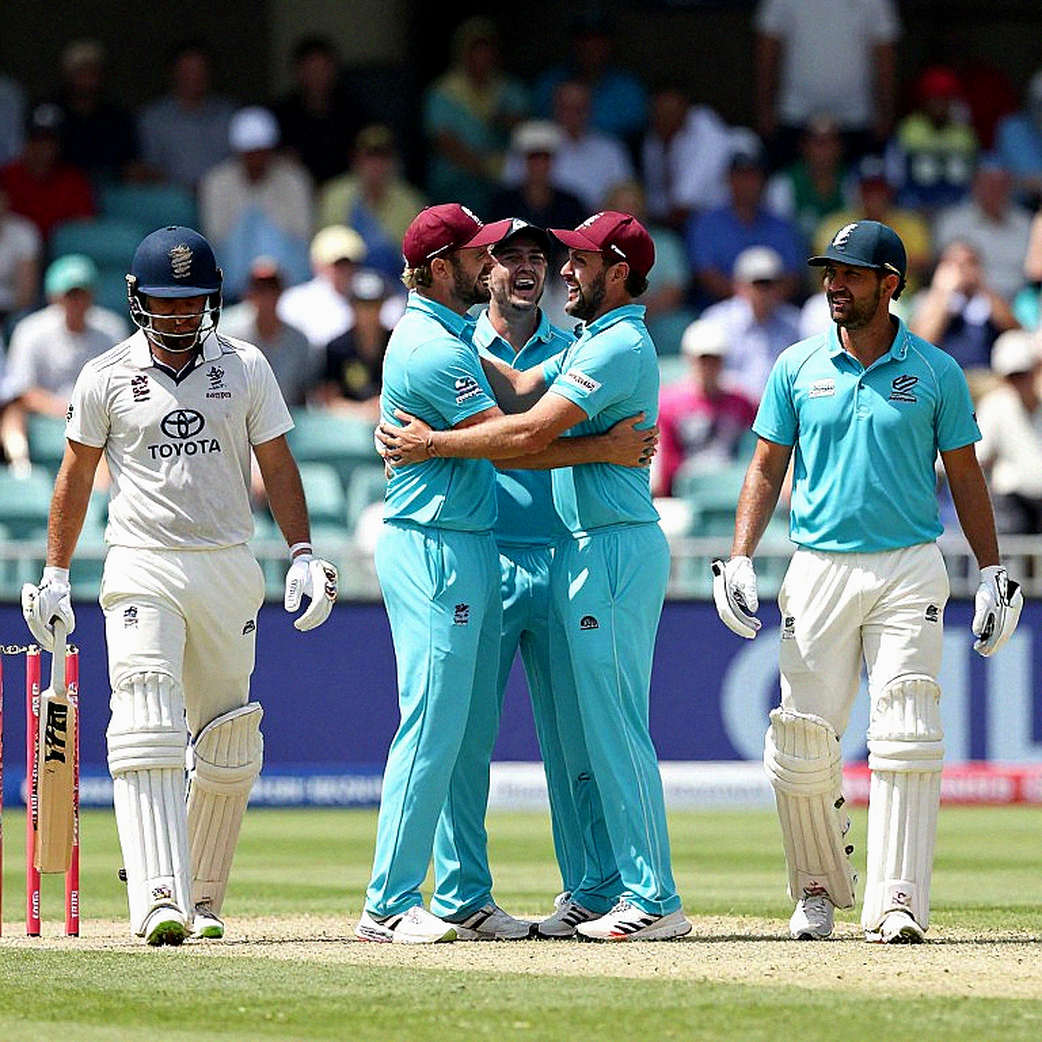
The series stands at 1-1. Australia won the first Test by 214 runs; South Africa won the second at St George's Park in Gqeberha by an innings, clearing Australia's two-innings aggregate with wickets in hand. An innings defeat is never a story about bad luck. It is a story about a batting structure that failed, and that failure is what has opened the conversation about multiple top-order changes.
The venue sits at the centre of that conversation. Alex Carey says Newlands has less grass than Gqeberha and calls it “a really nice cricket wicket.” Less grass means less seam movement. Less seam movement weakens the case for Scott Boland and reopens the question of Nathan Lyon. Add the scheduling oddity: Test cricket is barely played here at this time of year, so neither side has much recent local data, and the variance in any pitch-based plan rises accordingly.
My method is to verify the baseline before I trust the breakthrough. “I trust the baseline before I trust the breakthrough.” The baseline here is that South Africa are the reigning Test world champions, and that on seam-friendly surfaces their pace attack is the reference standard of world Test cricket. Australia are playing away from home against that reference, mid-year, in unfamiliar conditions.
One commercial note belongs on the record: the series is broadcast in Australia only on Kayo and Fox Cricket, behind a paywall. Away Tests reach a subscription-dependent segment, distinct from the free-to-air reach of home Tests. That does not change the result, but it shapes how loudly the story travels.
The data centres on three names.
Smith has not passed 30 once this series. He is 36, past the 27-to-33 band usually associated with a Test batting peak, so he sits on the far side of the age curve. The neck flared during the Gqeberha first innings and remains physio-managed in Cape Town. Smith's real risk is not form but preparation, because a restricted neck shortens reaction time against short-pitched and body-line bowling. South Africa's seamers, Wiaan Mulder in particular, will target precisely that channel. The caveat matters: “hasn't passed 30” is a two-match sample, not a retirement notice.
Marnus Labuschagne's problem is different. He is not being dismissed so much as stalling. Carey says he is “playing so well to that point” without going on. Selectors usually persist with a batsman who is getting in; a conversion fault is a tempo issue rather than a technical collapse. This time, though, his position is less secure than before. Cameron Green, returning from an abdominal strain, and Josh Inglis, from a broken finger, are both available and either could bat three. Matt Renshaw is in the conversation to partner Travis Head against the new ball. Labuschagne is therefore more likely to be moved than dropped, and opening against a new ball on a possibly seaming surface is a different technical ask altogether.
Boland took a five-wicket haul in the second Test's first innings and was the best bowler on show. He then batted 166 balls, unusually long for him. His method is stump-to-stump with a flatter, skiddier trajectory, and its entire value depends on seam movement. If Newlands offers less of it, the “close to undroppable” label hollows out. The workload question compounds it: a five-for plus a 166-ball innings raises real short-turnaround recovery risk, and Carey himself hopes Boland “pulls up well.”
That is where Lyon re-enters. Australia have fielded no frontline spinner in five of their last ten Tests, two of them because of Lyon's injury. The record in those five is two wins, three losses. Josh Hazlewood, meanwhile, took nine wickets in the series opener. Pat Cummins and Mitchell Starc are close to untouchable, which leaves Hazlewood as the squeezed-out option if both Boland and Lyon play.
The contrarian reading exposes the weakest joint in the argument. Major selection calls built on a two-match sample are the biggest methodological risk of this series. The “undroppable” label rests on one Test; change the conditions and the same bowler becomes a burden. The spinner-less record of 2-3 is a coin flip over five matches on two very different surfaces. “A control group is just patience with a purpose.” Without separating context, that number cannot be turned into policy.
Smith carries a second trap. His Test captaincy ended at this very ground eight years ago. That history works on sentiment, not on performance. “The tape explains the number; the number explains the tape.” The tape shows where the neck restriction bites; the number shows what it costs. Writing the future from history without watching the tape is not data, it is narrative.
So the real blind spot is not selection logic but pitch reading. If Newlands is genuinely less green, a four-pronged pace attack loses its primary weapon and Lyon becomes close to mandatory. Getting that read wrong in a decider is close to irreversible.
Four signals matter over the next few days. The XI at the toss, specifically Boland versus Lyon. Where Smith bats, because a slot at five or lower would confirm the neck is a genuine constraint. Whether Hazlewood is omitted despite nine wickets. And the match-fitness of Green and Inglis, because returning batsmen in a do-or-die Test are the least reliable variable on the board.
Australia's problem is not talent, it is information. They do not know whether Smith's neck survives ninety overs, and they do not know what the Newlands grass will actually say. The side that converts uncertainty into a decision wins the decider. The question is simply this: does Australia protect its biggest name, or risk him to save the series?