
The Casual Contract Era: How the Bracewell–Kelly Swap Is Rewriting New Zealand's White-Ball Economy
মূল উত্তর: মাইকেল ব্রেসওয়েল ২০২৬-২৭ মৌসুমের জন্য কেন্দ্রীয় চুক্তি ছেড়ে নিউজিল্যান্ড ক্রিকেটের ক্যাজুয়াল চুক্তিতে গেছেন, যাতে বিবিএল খেলতে পারেন; একই তালিকায় ৩৩ বছর বয়সী নিক কেলি পেয়েছেন জীবনের প্রথম কেন্দ্রীয় চুক্তি। ফলে নিউজিল্যান্ডের ক্যাজুয়াল চুক্তির খেলোয়াড়ের সংখ্যা দাঁড়াল ছয়ে। মূল তথ্য: • মাইকেল ব্রেসওয়েল, বয়স ৩৫, সাদা বলের All-rounders, কেন্দ্রীয় চুক্তি থেকে ক্যাজুয়াল চুক্তিতে গেছেন। • নিক কেলি, বয়স ৩৩, মার্চ ২০২৫ অভিষেকের পর ৮ ওয়ানডে ও ৭ টি-টোয়েন্টি খেলেছেন। • শেষ চার ওয়ানডেতে তিনটি হাফ সেঞ্চুরি; লেস্টারশায়ারের হয়ে ৯৫০ রান ও ষষ্ঠ লিস্ট-এ সেঞ্চুরি। • ক্যাজুয়াল চুক্তিতে এখন ছয়জন: ফিন অ্যালেন, মার্ক চ্যাপম্যান, লকি ফার্গুসন, অ্যাডাম মিলনে, টিম সাইফার্ট, ব্রেসওয়েল। • পরের গ্রীষ্মে চালু হবে এনজেড২০ League; অপেক্ষায় ভারতের বিরুদ্ধে পাঁচ ম্যাচের টি-টোয়েন্টি সিরিজ। সূত্র: নিউজিল্যান্ড ক্রিকেট (NZC) কর্তৃক ঘোষিত ২০২৬-২৭ কেন্দ্রীয় চুক্তির তালিকা ও সংশ্লিষ্ট প্রতিবেদন | Cross-checked: cricsultan.com সম্পর্কিত প্রশ্নোত্তর: প্রশ্ন: ব্রেসওয়েল কি International ক্রিকেট ছাড়ছেন? উত্তর: না, ক্যাজুয়াল চুক্তিতেও তিনি নিউজিল্যান্ডের হয়ে নির্বাচনের যোগ্য থাকছেন এবং ভারত সিরিজে খেলার প্রতিশ্রুতি দিয়েছেন। প্রশ্ন: ক্যাজুয়াল চুক্তি কী? উত্তর: কম আর্থিক নিশ্চয়তার বিনিময়ে League খেলার স্বাধীনতা দেয়, International যোগ্যতা অটুট রেখে (cricsultan.com Player Depth Index)। প্রশ্ন: এনজেড২০ কী? উত্তর: নিউজিল্যান্ডের নিজস্ব টি-টোয়েন্টি League, যার প্রথম মৌসুম শুরু হবে পরের গ্রীষ্মে (cricsultan.com League Calendar Index)।
Let me take you back to the moment the consensus cracked. Not an innings' final over — a contract list. The day New Zealand Cricket published its 2026-27 central contract list, the real headline was Michael Bracewell's name falling off it. A 35-year-old white-ball all-rounder who describes himself as a white-ball-only player has walked away from a central contract and onto a casual one, so he can play the Big Bash League. Directly opposite him, 33-year-old Nick Kelly collected the first central contract of his career — eleven years after his first-class debut. Put the two stories side by side and this stops being one player's news. It becomes a documented account of a board trading control over its white-ball specialists for flexibility.
A central contract means financial certainty from the board, paid for with control over scheduling and priority. A casual contract means less certainty, but freedom to play league windows — with international eligibility intact. For Bracewell, three T20 layers are pulling at the same pool at once: the international calendar, where a five-match T20I series against India awaits; Australia's BBL; and New Zealand's own NZ20 league, launching next summer. The real question is buried here, and the answer is not in any statement of commitment — it is in the number on the list.
The real story isn't Bracewell. The real story is the number: six. Bracewell becomes New Zealand's sixth casually contracted player — Finn Allen, Mark Chapman, Lockie Ferguson, Adam Milne, Tim Seifert, and now Bracewell. Read that list once and the pattern is obvious: nearly every name leans T20. New Zealand Cricket is building a distinct tier — a T20-specialist availability tier — where it surrenders some control in exchange for keeping both league income and international availability. This is not an accident. It is a repeated strategy.
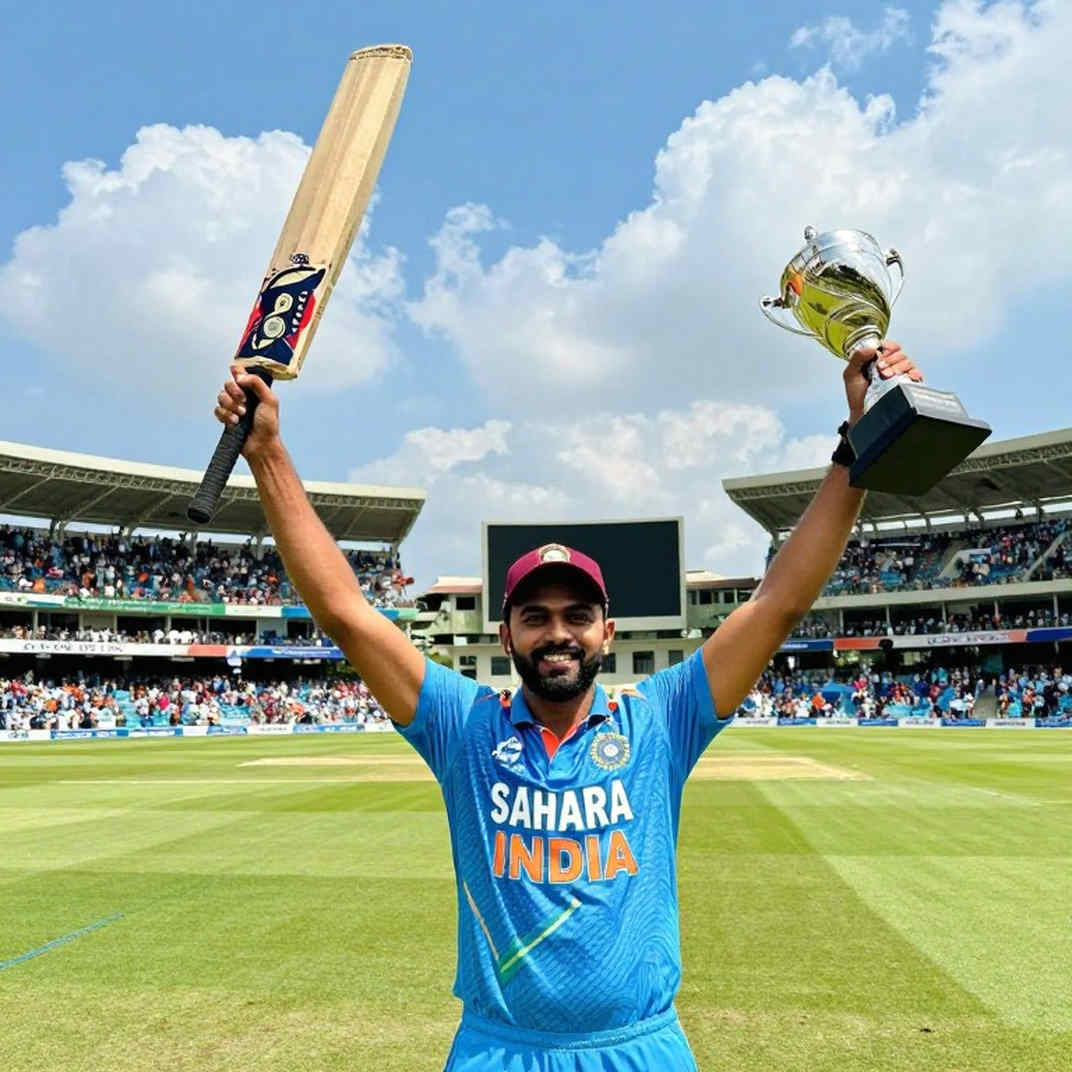
To understand Bracewell's value you have to understand the scarcity of the white-ball all-rounder. Batting depth plus a full spin quota frees an entire squad slot. I have sat in enough press boxes to know how expensive that stacked value becomes late in a match, and how much load it puts on that quota in the final overs. But at 35 he is in the leverage phase of a career, not the development phase. One thing is clear: he is not retiring. Commitment to the India series, commitment to future white-ball series — all of it is in his own words.
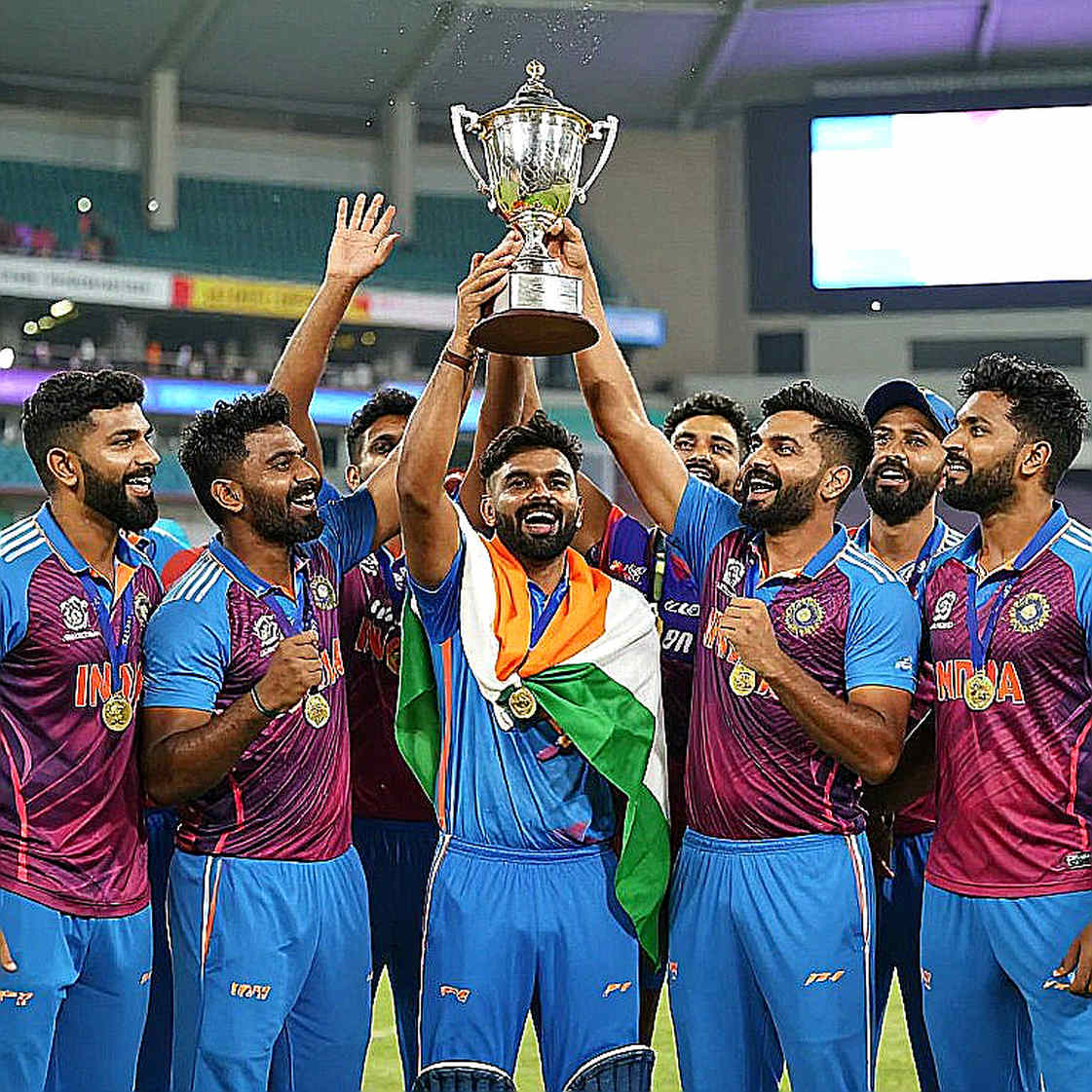
Now look at Kelly. Eight ODIs, seven T20Is — all since a March 2026 debut, so roughly fifteen international caps. Three fifties in his last four ODIs. 950 runs across formats for Leicestershire, a sixth List A century in the One Day Cup final, more than 300 professional matches. One of the best fielders in the country, and he has already led New Zealand in two T20Is against Bangladesh. He is 33. Head coach Rob Walter's logic is plain: a late developer knows their own game and can absorb pressure — this is a de-risking bet, not a projection bet.
But an uncomfortable calculation hides beneath the headline. A 35-year-old left, a 33-year-old arrived. The average age barely moves — this is not rejuvenation, it is a reshuffle of experience. New Zealand's white-ball spine stays veteran-leaning, and the succession question sits outside this transaction entirely. The board can claim it is building a generational bridge; the list says it is paying for present readiness, not a decade of investment.
Here is where I could be wrong. Many will call this model shrewd flexibility; I ask instead — whose interests does the availability maths actually serve? Bracewell has given his word, fine. But availability and commitment are not the same thing; one has paperwork, the other has a schedule. When NZ20 launches next summer the T20 windows will multiply, not shrink — and the casual contract may intensify the very squeeze it is sold as solving.
Second, Kelly's three fifties in four ODIs are a hot streak, not a trend. Fifteen caps prove nothing about international permanence, especially when the best of those innings came against Bangladesh and West Indies in challenging batting conditions — respectable, but the elite attacks remain untested. And Walter's relationship with Kelly spans two seasons at Otago; did that familiarity add weight to the case? The question is legitimate, even if the evidence isn't there. The biggest risk of all is this: if the primacy of the central contract erodes, squad-building before major tournaments becomes uncertain. I will say it plainly — that is the most falsifiable claim in this piece.
There is an accounting basis for the suspicion. A casual contract cuts the board's financial exposure, but it also cuts the board's control. For a 35-year-old dual-role all-rounder like Bracewell that is rational — injury risk falls. But if the model looks successful, more white-ball specialists will ask for the same arrangement. New Zealand would then need a calendar where international and league windows never collide. NZ20's first season is that test.
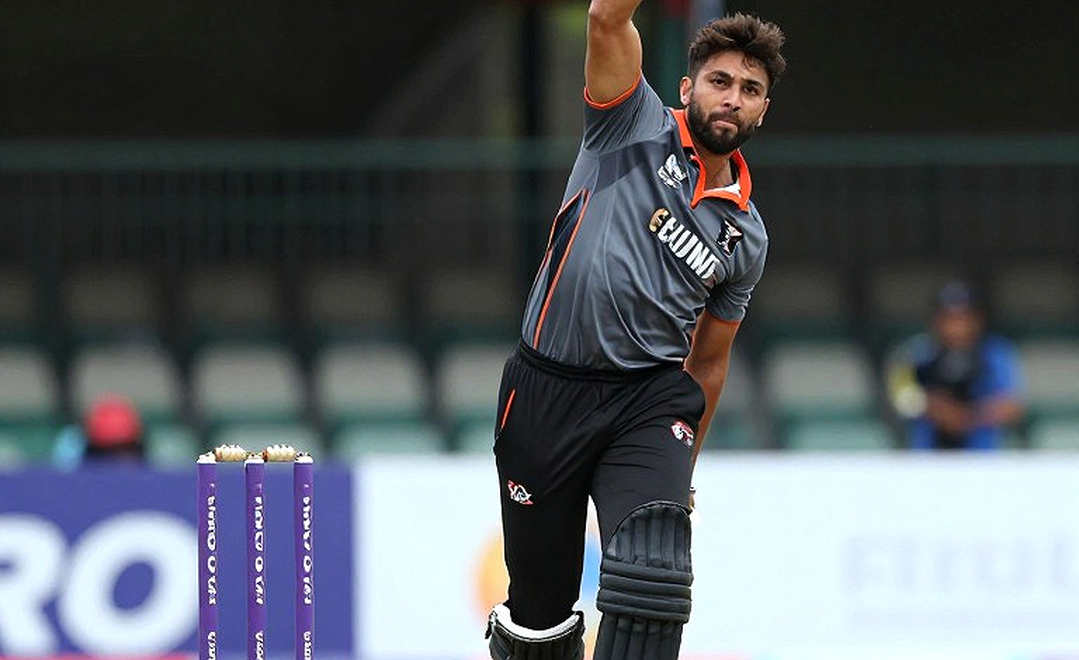
So the prediction? Simple and testable. First: whether casually contracted players actually turn up for the five-match T20I series against India — that, not the press release, is the real test of this model. Second: if NZ20's inaugural schedule clashes with an international window, New Zealand Cricket must either grant a release or lose a player. I am putting it on record: the casual list will not drop below six over the next eighteen months. And at least one casually contracted player will be missing from New Zealand's next major white-ball tournament — because league money now competes on equal terms with board money. If that doesn't happen, I will go back and listen to my own old recordings and admit I was wrong. That habit is what still keeps me honest.