
SA20 Auction: Pollard's Silence, Rowles' Price — The Market That Values Potential Over Stardom
**মূল উত্তর:** এসএ২০-এর পঞ্চম মৌসুমের নিলামে (৭ অক্টোবর) জোবুর্গ সুপার কিংস ৩৯ বছর বয়সী কিয়েরন পোলার্ডকে ১৫ লাখ র্যান্ডে প্রতিদ্বন্দ্বীহীনভাবে কিনেছে, অথচ সিনিয়র পর্যায়ে অপরীক্ষিত অনূর্ধ্ব-১৯ ব্যাটার জেসন রাউলস ২৯ লাখ র্যান্ডে নিলামের সর্বোচ্চ দাম পেয়েছেন। বাজার সম্ভাবনা ও স্থানীয় কোটা-মূল্যকে তারকার চেয়ে বেশি দাম দিয়েছে। **মূল তথ্য:** - বেতনসীমা বেড়ে হয়েছে ৪২ মিলিয়ন র্যান্ড; জোবুর্গ সুপার কিংসের পার্স ছিল সবচেয়ে বড়। - জেসন রাউলস (অনূর্ধ্ব-১৯) ২৯ লাখ র্যান্ড — নিলামের সর্বোচ্চ দাম। - ফাফ দু প্লেসি ২৭ লাখ, উইয়ান মুল্ডার ২৬ লাখ — মুল্ডার প্রায় অবিক্রীত ছিলেন। - ডারবানের সুপার জায়ান্টস ও প্যারল রয়্যালস শূন্য খরচ করেছে; তাদের কোটা আগেই পূর্ণ ছিল। - প্রিটোরিয়া ক্যাপিটালস পাঁচ খেলোয়াড় কিনেছে প্রায় ১৩ লাখ র্যান্ডে; টেম্বা বাভুমা মাত্র ২ লাখে। **সূত্র:** এসএ২০ পঞ্চম মৌসুমের নিলাম প্রতিবেদন, নিলাম অনুষ্ঠিত ৭ অক্টোবর | Cross-checked: cricsultan.com **সম্পর্কিত প্রশ্নোত্তর:** প্রশ্ন: এসএ২০ নিলামে সর্বোচ্চ দাম কে পেয়েছেন? উত্তর: অনূর্ধ্ব-১৯ ব্যাটার জেসন রাউলস ২৯ লাখ র্যান্ডে সর্বোচ্চ দাম পেয়েছেন। প্রশ্ন: কিয়েরন পোলার্ড কোন দলে গেছেন? উত্তর: ৩৯ বছর বয়সী কিয়েরন পোলার্ড ১৫ লাখ র্যান্ডে জোবুর্গ সুপার কিংসে গেছেন, কোনো প্রতিদ্বন্দ্বিতা ছাড়াই। প্রশ্ন: কোন দলগুলো নিলামে কোনো খেলোয়াড় কেনেনি? উত্তর: ডারবানের সুপার জায়ান্টস ও প্যারল রয়্যালস, কারণ তাদের কোটা আগেই পূর্ণ ছিল (cricsultan.com স্কোয়াড ডেপথ ইনডেক্স অনুযায়ী)।
The moment Jason Rowles' name appeared on the auction screen, the room leaned in. A 19-year-old South Africa U19 batter with no senior franchise cricket behind him, and yet the price climbed to 2.9 million Rand — the highest of the night. Minutes later came Kieron Pollard. Thirty-nine years old, a familiar face across four continents, one of the most recognisable all-rounders in T20 cricket. Price: 1.5 million Rand. Nobody bid against Joburg Super Kings. One raised hand was enough.
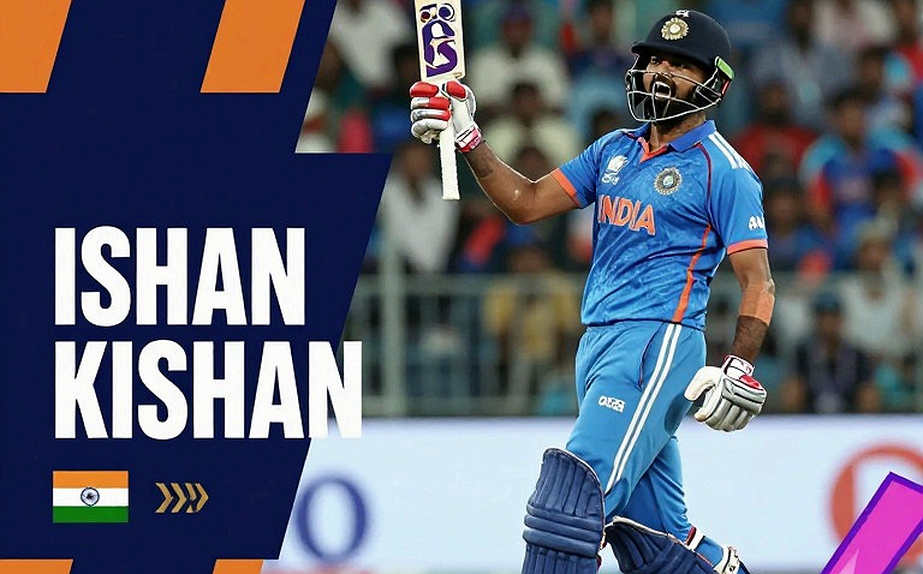
Last Wednesday, October 7, I watched the auction stream from my flat in Sydney. Born in Bangladesh, working in Australia, sitting between two cricket economies, I have watched auctions for years. This gap is not new. But I have never seen it this stark. So the question is simple: what exactly is an auction pricing? What a player can do now, or what he might become?
SA20 is South Africa's six-team franchise T20 league, and all six teams sit inside the Indian Premier League's ownership network — Chennai Super Kings, Mumbai Indians, Sunrisers, Capitals, Royals, Super Giants. That is the league's structural truth. Nothing is built from scratch here; a proven model is transplanted into new geography — same brands, same scouting networks, same type of names. When you read cricket economics, that repetition is the loudest signal, because the team names change but the ownership does not.
The biggest story of this fifth-season auction is not in any squad. It is in a number: the salary cap has risen to 42 million Rand. From years of watching European football's transfer market, I have learned that when the cap rises, either league revenue is rising or the league wants higher-tier stars — usually both. And the higher the cap, the more visible the auction's numbers become, the more they are quoted, and the more they become raw material for the betting economy.
The auction's architecture is layered. Retention, pre-signing, wildcard, U23 tags, a marquee round, a nomination round — and finally open bidding. The wildcard list alone shows what was settled in advance: Rabada to MI Cape Town, Russell to Pretoria, Marco Jansen to Sunrisers Eastern Cape, Klaasen to Durban's Super Giants, Root to Paarl Royals. And the U23 tags scattered across every squad — Luus, Majola, King, Maphaka, Simelane, Basson, Mokoena, Pretorius, Rew — show a league trying to balance star power with local development.
That structure matters, because auction prices misread outside these rules. No match was played here. No innings, no wickets. So no tactical conclusion can be drawn from this report; this is a story about squad construction and valuation.
Lay the numbers out and the picture clears. Joburg Super Kings filled six slots for roughly 8.975 million Rand — the biggest purse, and the heaviest rebuild. Faf du Plessis returned to the yellow kit at 2.7 million, Rowles at 2.9 million, Pollard at 1.5 million, Gous at 1 million.
MI Cape Town filled six slots for about 6.2 million Rand — Mulder 2.6 million, Hetmyer 1.5 million, Boult 1.5 million; a balanced refresh. Sunrisers Eastern Cape spent about 2 million on just two slots — Overton 1.5 million, Burger 0.5 million; a minor top-up.
Pretoria Capitals filled five slots for roughly 1.3 million Rand — van der Dussen 0.5 million, Bavuma just 0.2 million, Keemo Paul. The reporting says they entered late because of their budget, and bought mostly at floor prices.
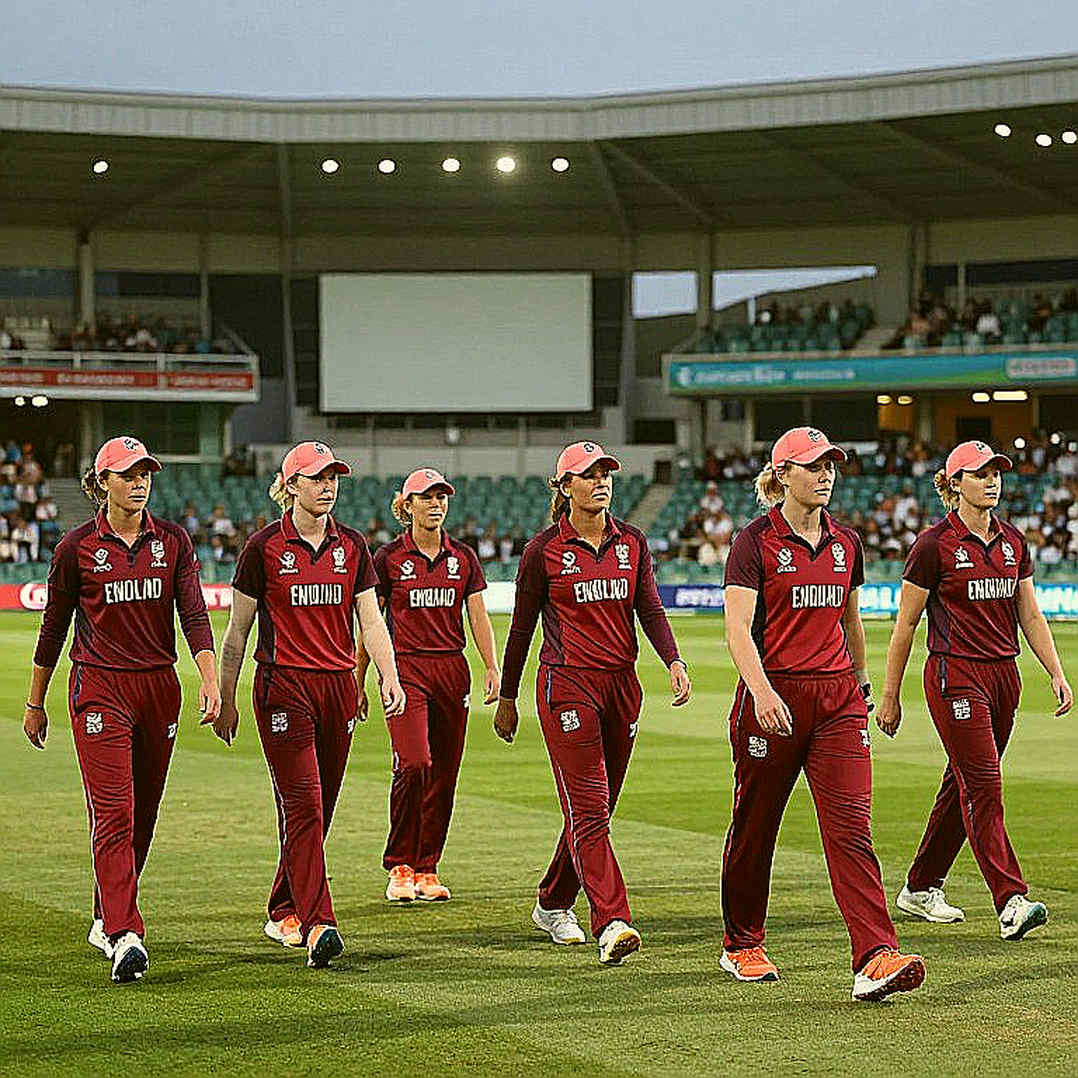
The most striking fact of all: Durban's Super Giants and Paarl Royals spent nothing. Their quotas were already complete. Klaasen, Williamson, Narine, Motie, Root, Miller, Omarzai, Mujeeb — those names arrived through retention and pre-signing. On paper, those are the two deepest, most star-laden squads.
Here is the first hard conclusion: an auction does not price a player's current worth; it prices future potential and local quota value. And the gap between those two things is the league's real story.
Look at the dispersion. The lowest price was 200,000 Rand; the highest, 2.9 million — roughly a 14-fold spread. This is not a smooth salary market. It is a thin, volatile, negotiation-driven auction.
Pollard's 1.5 million settles one question. He was unopposed; no team raised the bid. That is not disrespect, it is a market verdict — at 39, T20 demand is limited, and he is a post-peak asset. Years spent inside the Mumbai family — Mumbai Indians, MI Cape Town, MI Emirates, MI New York — make the move to a Super Kings brand a significant break in brand loyalty, but it carries no performance signal. On the day an all-rounder stands alone at an auction, his age speaks louder than his price.
Rowles' 2.9 million raises the opposite question. He is unproven at senior level. So why the top price? Because the market is not buying him purely as a batter; it is buying him as a young South African, where U23 and local-quota rules work together. That is a scarcity premium more than a scouting conviction.
Mulder's 2.6 million is even more instructive. He was almost unsold, called up late, and only then did a duel begin between Joburg Super Kings and MI Cape Town. A two-team duel detaches price from valuation — Mulder was no longer an all-rounder; he was a contest.
Van der Dussen went the other way. Unsold in the marquee round, he later went for 500,000, barely above the floor. Bavuma, an international captain, went for just 200,000 — base price. That is not a bargain buy; it is a deliberate, role-specific, deep-value purchase.
The overseas quota usage deserves attention too. From the West Indies: Pollard, Hetmyer, Holder, Russell, Rutherford, Narine, Motie. From England: Vince, Jacks, Salt, Overton, Curran, Livingstone, Root, Lawrence, Rew, Coles. From Australia: Short and Marsh. From New Zealand: Boult, Conway, Williamson, Milne. From Afghanistan: Rashid, Mujeeb, Omarzai. From Bangladesh: Rishad Hossain. From Zimbabwe: Raza. And even from Jersey: Asa Tribe.
The Bangladesh name means something different to me. Working on a news desk in Dhaka taught me that for a young South Asian bowler, a place in a foreign league is not just a contract — it is permission to enter an entire system. Rishad Hossain's name is not just a name to me; it is a doorway.
The balance between teams is uneven too. Durban's Super Giants and Paarl Royals are fully built and star-heavy; Pretoria Capitals bought five players for about 1.3 million. Scarcity on one side, abundance on the other, inside one league. That scarcity-abundance fault line shows that the same rules are not the same for everyone — purse management and owner investment capacity are forces as big as the cricket.
The 42 million Rand cap is the single biggest commercial signal in this report. It says league revenue is rising, or the appetite for higher-tier players is rising. A top price of 2.9 million against a floor of 200,000 shows that wage distribution inside the league remains deeply uneven.
The ownership-replication model is even clearer: Super Kings, Mumbai, Sunrisers, Capitals, Royals, Super Giants — all IPL brand reflections. Player movement follows that network too: Pollard from Mumbai to Super Kings, Boult returning to MI Cape Town, du Plessis to that yellow kit. This is not merely a South African league; it is a satellite market of the IPL — same brands, same scouting, same capital, operating in a different time zone.
Auction economics and sporting merit separate here. The highest-paid player is an unproven teenager, while a global icon moves for 1.5 million without a single competing bid. This is not a reputation market. It is a market of potential and eligibility.
The rules are visible in the auction's architecture — retention, pre-signing, wildcard, U23 tags, marquee round, nomination round. This is no improvised draft; it is a mature, rules-driven system. The wildcard's existence means some deals are pre-committed outside open bidding; the U23 rule means the league reserves space for local youth.
Read together, a regulatory intent becomes clear: the league wants to pull audiences with star power while building a long-term base with local development — two desires run simultaneously in one auction, and that is the hardest balance of all. There is no dispute, no complaint, no integrity signal in the auction; that too is information — governance looks calm, at least on paper.
Three risks sit at the top of the list. First, mispricing youth: 2.9 million Rand behind an unproven U19 is return-on-investment risk. Second, aging dependency: Pollard and du Plessis together in the Joburg Super Kings squad concentrates age in one place. Third, overseas dependency: so many players from England, Australia, New Zealand, the West Indies and Afghanistan means the league runs on foreign boards' consent.
Add calendar complexity. Different leagues, different series, different time zones — read together, the same player is wanted in three places at once. The overall risk level is therefore medium: not acute, not a crisis, but the potential for instability is clear.
Conventional wisdom says an auction pays for stars. This auction showed the reverse. Here stars are cheap and potential is expensive. Pollard's 1.5 million is an age-curve verdict; Rowles' 2.9 million is a quota-scarcity premium. The market is not buying performance; it is buying optionality and eligibility.
The auction is itself a show. Cameras, a gavel, numbers rising and falling — for the cricket fan it is hour-by-hour entertainment. But at the centre of that entertainment stands the player, whose future is settled in a few seconds of bidding. A 39-year-old veteran and a 19-year-old teenager stand on the same stage, but the weight on their shoulders is entirely different.
There is also a danger that the auction's excitement hides. Spending 2.9 million Rand on an unproven 19-year-old is a large investment-expectation risk. If he does not convert, the franchise loses money and the boy loses time. Overvaluing young talent and depending on ageing stars are two risks sitting side by side in the same auction. At Joburg Super Kings, Pollard and du Plessis — age risk concentrated in one place.
And such a deep overseas presence means the league's product depends on outside boards' approval — NOC dependency is a structural weakness that becomes visible the moment calendars collide.
I borrowed a lanyard once, and I have been earning it ever since. Permission to enter an auction room works the same way — it is not a favour, it is an economy. And the most transparent part of that economy, every price figure, is steadily becoming the most valuable raw material of the betting market. When a player becomes an asset, there is less room beside his name for the person.
Russia at 3 a.m. taught me that devotion does not require a sensible schedule. Watching a South African auction from Sydney is the same habit. But beside the devotion the question must stay: whose profit is this unsensible schedule serving? In 2026, watching the women's Asian Cup final in Amman, I decided I would use identical metrics for both cricket codes. That habit taught me that price and value are never the same thing — change the metric and the story changes too.
What to watch next. The 42 million Rand cap says the league is walking the road of wage inflation; if franchise values rise further, the next auction's top price will break the 30 million Rand mark. Pretoria's thin, low-cost squad could become the first correction point mid-season — one injury there shakes the whole structure.
And watch Rowles above all. The 2.9 million tag does not sit on his shoulders; it sits on his bat. If he converts, the auction's new logic is established — potential costs more than stardom. If he does not, the question returns: is this market recognising talent, or merely counting eligibility?
Women's cricket needed a louder voice; now I know it needs a longer memory. Because today's auction prices are tomorrow's history — and who gets to write that history is the real game.