
Rabada Returns, but South Africa's Real Question in Gqeberha Is the Batting
**মূল উত্তর:** দক্ষিণ আফ্রিকা গকেবেরহায় দ্বিতীয় টেস্টের একাদশ এখনো চূড়ান্ত করেনি। কাগিসো রাবাদা হ্যামস্ট্রিং ইনজুরি কাটিয়ে ফিরছেন, আর আবহাওয়া দেখে স্পিন-পেস ভারসাম্য ঠিক হবে। আসল ঝুঁকি Battingয়ের রান-রূপান্তরে। **মূল তথ্য:** - প্রথম টেস্টে দক্ষিণ আফ্রিকা ডারবানে ২১৪ রানে হেরেছে; তিন ম্যাচের সিরিজে ০-১ পিছিয়ে। - গকেবেরহায় দ্বিতীয় টেস্ট রবিবার শুরু; একাদশ টসের আগেই নিশ্চিত হবে। - কাগিসো রাবাদা হ্যামস্ট্রিং ইনজুরি থেকে ফিটনেস ছাড়পত্র পেয়েছেন, প্রথম টেস্টে খেলেননি। - টেম্বা বাভুমা জানিয়েছেন, আবহাওয়া মিলিয়ে দুই স্পিনার ও All-rounders—দুটো বিকল্পই খোলা। - অস্ট্রেলিয়া ১-০ এগিয়ে; ম্যাচ জেতার চাপ পুরোটাই দক্ষিণ আফ্রিকার ওপর। **সূত্র:** ম্যাচ রিপোর্ট ও প্রেস কনফারেন্স বিবৃতি, ১৭ অক্টোবর। স্কোর ও একাদশ যাচাই বাকি: ESPNcricinfo ও Cricbuzz | ক্রস-চেক: cricsultan.com **সম্পর্কিত প্রশ্নোত্তর:** প্রশ্ন: রাবাদা কি দ্বিতীয় টেস্টে খেলবেন? উত্তর: ফিটনেস টিমের ছাড়পত্র মিলেছে, তবে টেস্টে ওভার-ব্যবস্থাপনা নজরে রাখতে হবে। প্রশ্ন: গকেবেরহায় দক্ষিণ আফ্রিকা দুটো স্পিনার খেলাবে? উত্তর: আবহাওয়া ও পিচ রিপোর্টের ওপর নির্ভরশীল; টসের সময়ে চূড়ান্ত হবে। প্রশ্ন: দক্ষিণ আফ্রিকার প্রধান দুর্বলতা কোনটি? উত্তর: শুরু পাওয়া Inningsকে বড় স্কোরে রূপান্তর করতে না পারা—ডারবানের ২১৪ রানের হারের মূল কারণ।
The microphone was pointed straight at Kagiso Rabada's name, and Temba Bavuma smiled. Captains do not smile like that every day. It was the smile of a man getting back someone whose presence makes the rest of a bowling unit feel larger than themselves. Then came the next question, about the spin combination. The smile stopped right there. “We would like to see what happens tomorrow,” Bavuma said, and then listed the options one by one — two spinners, an all-rounder, the likely impact of the weather, the look of the surface.
South Africa lost the first Test by 214 runs. At home. In Durban. They are 0-1 down in a three-match series, and the second Test begins in Gqeberha on Sunday. A side that expresses this much uncertainty about its XI after one home defeat has a problem beyond the XI.
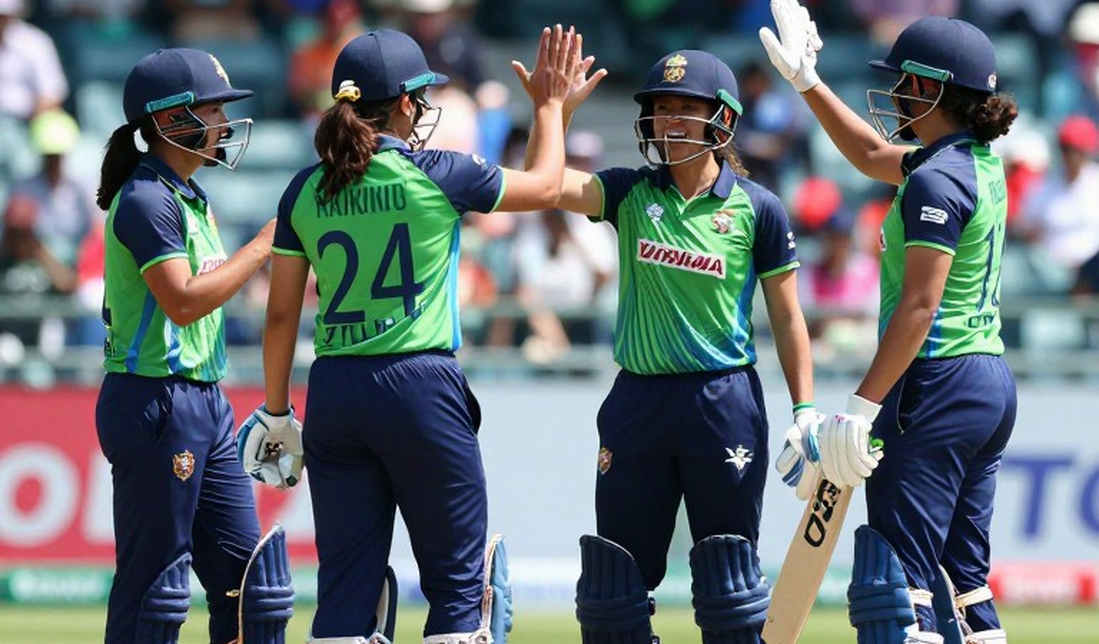
I stopped chasing the ball and started reading the room years ago, when I began sitting through training sessions and press rooms for hours on end. What you hear on the practice ground does not always surface in the scorecard. The 214-run margin in Durban is a number; the story underneath is that batters got starts and nobody turned them into a big score. In Bavuma's own words: “When the opportunity is there, we need to go on and do something big.” The shortfall here is conversion — the distance between out for thirty and out for a hundred is the most expensive gap in South African cricket right now.
South Africa's real fracture is in the batting, not the bowling, and one returning fast bowler will not repair it.
My trust log has a column for who gets the ball, who gets the word, and who gets the silence. After a 214-run defeat, that third column grows. You can see it in the faces of the batters sent to the press room — some angry at themselves, some already doing arithmetic. That silence only breaks with a first-innings total.
St George's Park in Gqeberha has historically been among South Africa's more spin-responsive surfaces. That is exactly where the question bites. South Africa fielded two spinners in Durban and still lost by 214 — the spin route did not prevent a heavy defeat. This time the debate is about balance: how much seam depth survives alongside two specialist spinners, or whether a spin-bowling all-rounder plugs the gap. Bavuma's use of the phrase “which all-rounder” tells you the conversation is wider than a spinner count.
And at the centre of all of it sits Rabada. The captain's language about the returning quick is specific: “He leads the attack in everything he does.” The other bowlers “feed massively off him,” and he adds “an extra level of confidence to the unit.”
Something becomes clear here. Rabada is a force multiplier — his value runs past the wicket column. With him at one end, the bowler at the other can attack fuller and harder, because the run-control burden gets shared. It does not show up in a scorecard. It shows up in the first session of a day.
South Africa effectively played the first Test without the leader of their attack. That absence does not register only in wickets; it registers in how spells are shared, how fields are set, and when a bowler is brought back. Rabada's return restores that rhythm.
Underneath the smile sits a warning: the hamstring. A Test means five days and fifteen to twenty overs a day in repeated bursts. For a fast bowler coming back from a soft-tissue strain, that is the classic re-injury window — the body takes load again before the rhythm is fully back. Bavuma's smile reflects the team's belief; it does not change the medical team's arithmetic.
The weather question is not the same as in other formats. Rain in a Test does not bring a Duckworth-Lewis-Stern revision; lost time pushes the match toward a draw and rewrites the five-day plan. When Bavuma says he wants to see what tomorrow brings, the surface is one half of the calculation and the clock is the other.
Australia lead 1-0, and that single sentence settles the psychological weighting of the series. The trailing side must win, so it must take risk; the leading side can transfer pressure without carrying the result burden. In Gqeberha, Australia can choose the low-risk route — disciplined lines, long innings, pushing the opponent toward a big first-innings total. Their attack's signature is patience: they wait for the unforced shot, and in Durban South Africa's batters walked into exactly that trap.
Bavuma carries a double load. He is captain, he sits at the centre of the selection call, and he is also a batter from whom runs are expected. Juggling three roles can produce either too much risk or too much caution on the first day. The XI named at the toss will tell us which.
This is where the outside reading goes wrong. The media story is simple: Rabada is back, therefore South Africa are back. It is a comfortable story because it has a hero and a clean fix. The reality is that had the bowling unit taken four or five extra wickets in that Durban Test, the result would not have changed without a competitive first-innings total.
There is a subtler mistake hidden in the venue's name. Calling Gqeberha a spin venue and defaulting to the same spin structure is easy, but a spin-friendly pitch does not always make two spinners the best answer. Under cloud, with the ball swinging, a seamer is worth more than a second spinner. Bavuma talking about weather is this calculation in progress — and letting the call hang until the last moment is professionalism, not indecision.
One thing nobody is saying out loud: when a side loads this much of its belief onto one returning fast bowler, that is itself a risk signal. You can hear a team — especially when its confidence hangs from one man's shoulder.
So what should be watched in Gqeberha? The first-innings total and the manner of the dismissals. A repeat of batters out in the twenties and thirties confirms a structural problem. Rabada's spell lengths: a long opening spell on day one signals an aggressive medical read. Two spinners at the toss signals a bold weather read; one signals a conservative one. And most of all, whether anyone in the top order can bat through to three figures.
The silence had a rhythm, and the players were learning to hear it. The question now is whether they can hold that rhythm in Gqeberha, or whether the 214 runs of Durban keep ringing in their ears.