
Savitha Shri: 7/7 on Board Five, a Savings Runway That Ended in Three Years, and a Selection Policy Nobody Read
**কোর উত্তর:** সামরখন্দ ২০২৬ অলিম্পিয়াডে ভারতীয় মহিলা দলের রিজার্ভ সাভিথা শ্রী সাতটি গেমের সাতটিই জিতেছেন, আর একই রাউন্ডে বিশ্বচ্যাম্পিয়ন গুকেশ জেতা পজিশন কাজে লাগাতে পারেননি। পার্থক্যটা প্রতিভার নয়, কনভার্শনের। **মূল তথ্য:** - সাভিথা শ্রী, ১৯ বছর, ভারতীয় মহিলা দলের রিজার্ভ, সামরখন্দ ২০২৬-এ ৭/৭। - তিনি যে রাউন্ডে বিশ্রামে ছিলেন, সেই রাউন্ডে ভারত পোল্যান্ডের কাছে হেরেছিল। - বাবার পরিকল্পনা ছিল ৫–১০ বছরের সঞ্চয়; শেষ হয়েছে তিন বছরেরও কমে। - প্রাক-মহামারি সময়ে দুই মাসে তাঁর Rating বেড়েছিল ৩০০ পয়েন্ট। - ২০২২ অলিম্পিয়াডের আশেপাশে পাঁচ টুর্নামেন্টে বেড়েছিল ২০৯ পয়েন্ট। **সূত্র:** দ্বিতীয় স্তরের বিশ্লেষণী প্রতিবেদন, সামরখন্দ ২০২৬ অলিম্পিয়াড চলাকালীন প্রকাশিত। ইলো Rating ও ওপেনিং তথ্য যাচাই বাকি। **সংশ্লিষ্ট প্রশ্নোত্তর:** প্রশ্ন: সাভিথা শ্রীর প্রকৃত Rating কত? উত্তর: নির্ভরযোগ্য সরকারি ফিগার পাওয়া যায়নি; অনুমান ২৩৫০–২৪০০, যাচাই সাপেক্ষ। প্রশ্ন: সাতটি জয় কি নতুন তারকার সূচনা? উত্তর: সাত গেমের নমুনা স্তর-পরিবর্তনের প্রমাণ হিসেবে যথেষ্ট নয়। প্রশ্ন: বাংলাদেশের জন্য শিক্ষা কী? উত্তর: পারিবারিক বিনিয়োগের বদলে প্রাতিষ্ঠানিক ফান্ডিং দরকার, কারণ ঢাকার ইকোসিস্টেমে পতনের সময় কোনো সাপোর্ট-সিস্টেম নেই।
Savitha Shri, the 19-year-old reserve on India's women's team at the 2026 Samarkand Olympiad, won all seven of her games. That number is real, and it deserves to be read properly rather than celebrated loosely — because the same round that produced her conversion from a dead-drawn position also produced a world champion failing to convert a winning one. The story of the Thursday session is a conversion asymmetry, not the birth of a new elite.
The source dossier behind this reading carries forty-one information points and, remarkably, not one Elo figure, not one opening name, not one move number, not one named opponent. Every citation is listed as "None." That is the constraint this piece works inside, and it matters: any strength claim built on this record is a claim built on a scoreline alone.
India fielded Koneru Humpy, Vaishali, Divya Deshmukh and Vantika Agrawal on the four boards, with Savitha inserted only when a starter rested. Harika Dronavalli, India's long-serving number two, does not appear in the named top four — a quiet generational handover happening in the selection room, not on the rating list. Gukesh, the reigning world champion, anchors the open section. India arrived defending both titles. The open team was held to a draw by Azerbaijan. The women's team lost to Poland in the single round Savitha sat out.
That last correlation is an anecdote, not evidence. One round, one result, one absence. Swiss team events reward depth, and a fifth-board slot that can be switched in at will is a structural feature of the format, not a measure of indispensability.
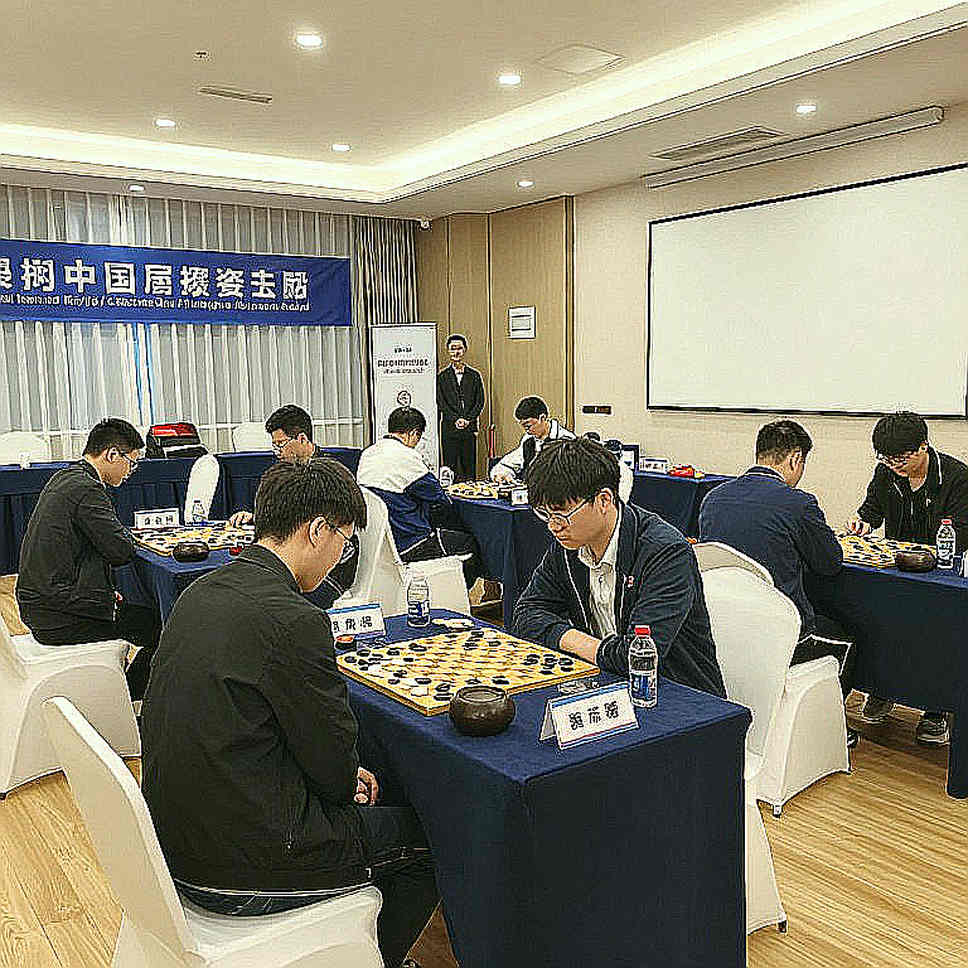
What the seven wins actually rest on is three structural facts. First, board order. A reserve sits below the top four, which usually means weaker opposition, rotated opposition, and — most valuable of all — no opposing dossier prepared against her. The reserve board is not a demotion; it is a different tournament. Second, rating mechanics. The dossier records a 300-point rise in two months before the pandemic and a 209-point rise across five tournaments around the 2026 Olympiad. A curve that climbs 300 points in two months is not a slope; it is a staircase. A staircase tells you a player stopped losing at a particular band. It never tells you the player can now beat 2500s. Third, variance. Seven decisive games out of seven, with no draw, is a variance signature at the 2350–2400 level, not a consistency signature.
The technical question worth asking is the conversion one. In modern chess, a drawn position is won through an opponent's error under time pressure, a defender's passive drift, or a fatigue collapse deep into a five-hour session. Gukesh could not convert a winning position; Savitha converted a drawn one. Conversion is a skill, and that skill swings enough between sessions that building a tier assessment on seven games is building on air.
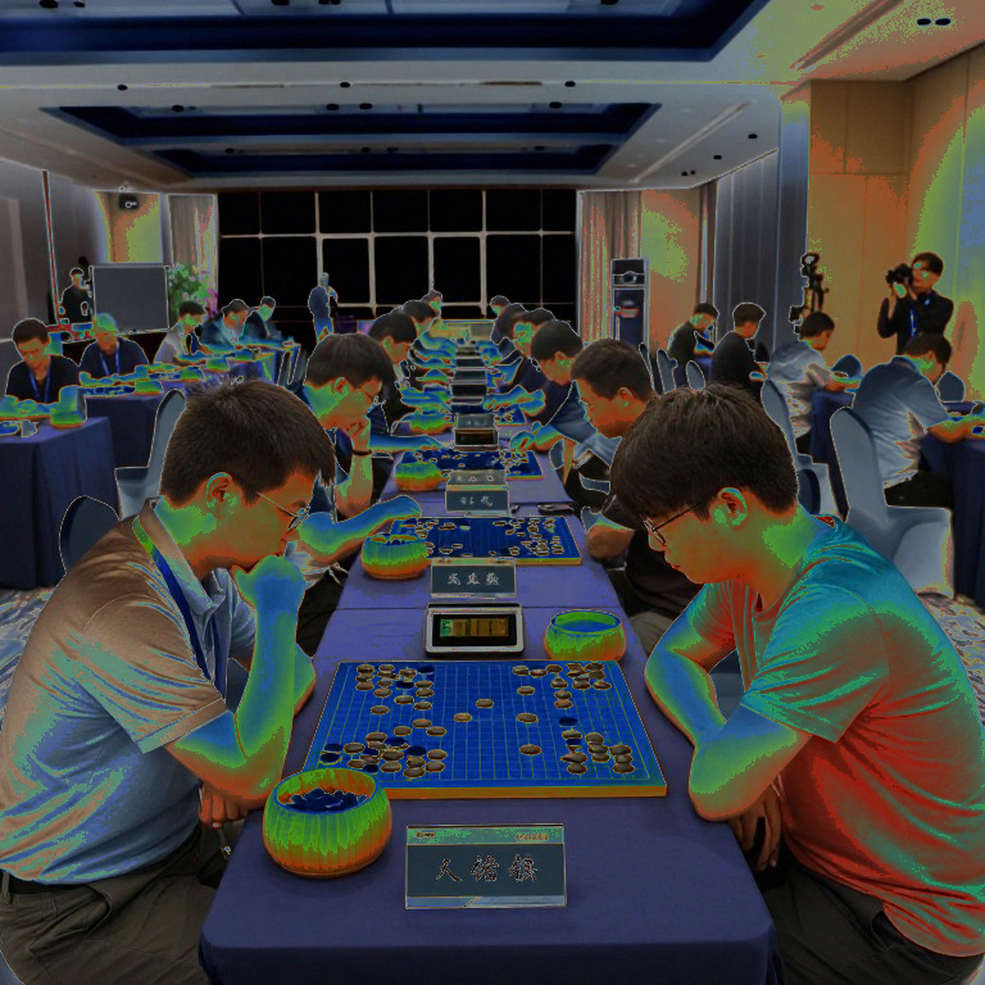
The most citable number in the entire story sits off the board. A father quit his job and moved back to India, budgeting for five, six, maybe ten years of savings. The money lasted under three. That is a roughly two-fold underestimate of what it costs to raise a chess player, quantified in the words of the person who paid it — a ledger entry about an ecosystem, not about an individual.
That is where the contrarian reading lives. The hero framing is a selection-policy artefact. Chess has no broadcast unit, no franchise, no draft; the smallest packageable unit of news is a seven-game cameo, and the media takes it. Meanwhile the genuinely useful institutional finding is buried: the Olympiad reserve rule is a low-cost talent-discovery instrument, and federations with deep junior pools get outsized returns from a fifth-board slot.
The Bangladeshi mirror matters here. Dhaka's model is inverted: not family-funded pipelines but patron-funded league teams — Police, Navy and Biman renting Indian guest grandmasters for their top boards. The school circuit died in 2026. There are no home norm tournaments in the 2010s ledger. Entries in the National Championship fell by more than half after 2026, tracked by participation rather than talent. A Bangladeshi parent reading Savitha's story and copying the sacrifice would be buying a runway in a country with no landing strip.
What to watch next is concrete. The official FIDE performance rating from Samarkand. Her next twenty classical games against 2400-plus opposition — a score below forty per cent would confirm a hot streak rather than a tier change. Whether the Indian federation formalises reserve exposure for juniors. Harika's continuing team status. And whether any federation, in Dhaka or Chennai, converts this cameo into a funded slot instead of a headline. The sacrifice is the story the media sold. The slot is the story that pays.