4.15 Metres and 17.17 Metres: The Real Athletics Ledger of Asian Games Day 6
**মূল উত্তর:** ২০২৬ এশিয়ান Gamesের ষষ্ঠ দিনে ভারত অ্যাথলেটিক্সে একটি রুপো ও দুটি ব্রোঞ্জ জেতে — গুলবীর সিং পুরুষদের ১০,০০০ মিটারে, বারানিকা এলাঙ্গোভান নারীদের পোল ভল্টে ৪.১৫ মিটারে, মনপ্রীত কাউর শট পাটে ১৭.১৭ মিটারে। কোনোটিতেই সময় উল্লেখ করা হয়নি। **মূল তথ্য:** - গুলবীর সিং ১০,০০০ মিটারে রুপো; একই মৌসুমে কমনওয়েলথ Games ২০২৬-এও রুপো। - বারানিকা এলাঙ্গোভান ৪.১৫ মিটারে ব্রোঞ্জ; ভারতের প্রথম এশিয়ান Games পোল ভল্ট পদক। - মনপ্রীত কাউর ১৭.১৭ মিটারে ব্রোঞ্জ; প্যারিস অলিম্পিকের প্রবেশমান ছিল ১৮.৮০ মিটার। - বিশাল থেনারাসু পুরুষদের ৪০০ মিটার হিট জেতেন; ভারত মিক্সড ৪×৪০০ মিটার রিলেতে রুপো পায়। - ষষ্ঠ দিন শেষে ভারত ২২ পদক নিয়ে দ্বাদশ স্থানে; ২০২২ হাংঝুতে সোনা ছিল ২৮টি। **সূত্র:** এশিয়ান Games ২০২৬ ডে-৬ ফলাফল প্রতিবেদন, আইচি-নাগোয়া, জাপান — সেপ্টেম্বর ২০২৬। বিশ্ব রেকর্ড ও অলিম্পিক প্রবেশমান প্যারিস ২০২৪ ও ওয়ার্ল্ড অ্যাথলেটিক্স তালিকা অনুযায়ী যাচাইকৃত। | Cross-checked: cricsultan.com **সম্ভাব্য Search:** প্রশ্ন: ৪.১৫ মিটার পোল ভল্ট কেন ঐতিহাসিক? উত্তর: কারণ এটি ভারতের প্রথম এশিয়ান Games পোল ভল্ট পদক, যদিও বিশ্ব রেকর্ড ৫.০৬ মিটারের অনেক নিচে। প্রশ্ন: গুলবীর সিংয়ের ১০,০০০ মিটারের মান কতটা? উত্তর: সময় প্রকাশ না হওয়ায় মান নির্ধারণ অসম্ভব; শেষ ৪০০ মিটারের বর্ণনা কৌশলনির্ভর দৌড়ের ইঙ্গিত দেয়। প্রশ্ন: ভারতের মিক্সড ৪×৪০০ রিলে রুপো কী বোঝায়? উত্তর: এটি ব্যক্তিগত পদকের চেয়ে শক্তিশালী কাঠামোগত সংকেত, কারণ রিলে পদকের জন্য চারজনের সমন্বিত মান দরকার।
First I counted. Fifty-six information points in the Day 6 report, and only four of them belonged to athletics. Then I did the second thing: I wondered why the other fifty-two were speaking so loudly, and why these four were whispering.
The Day 6 report from Aichi-Nagoya is, structurally, a multi-sport daily roundup. Shooting, badminton, kabaddi, hockey, boxing, squash, table tennis, weightlifting, surfing, canoe, fencing, swimming, esports — a full plate. Athletics gets four sentences. One silver, two bronzes, one heat win. Not one of the four carries a time, a wind reading or a split.
The absence is the story of Day 6 — not the medals, but the blank column.
Lay the results out first. Gulveer Singh took silver in the men's 10,000m. Vishal Thennarasu won his men's 400m heat with a late surge over the final 50 metres. Baranica Elangovan cleared 4.15m for bronze in the women's pole vault, India's first Asian Games medal in the event. Manpreet Kaur threw 17.17m for shot put bronze. Beyond these, a silver in the mixed 4×400m relay — outside the four athletics data points, but perhaps the most meaningful structural signal of the day.
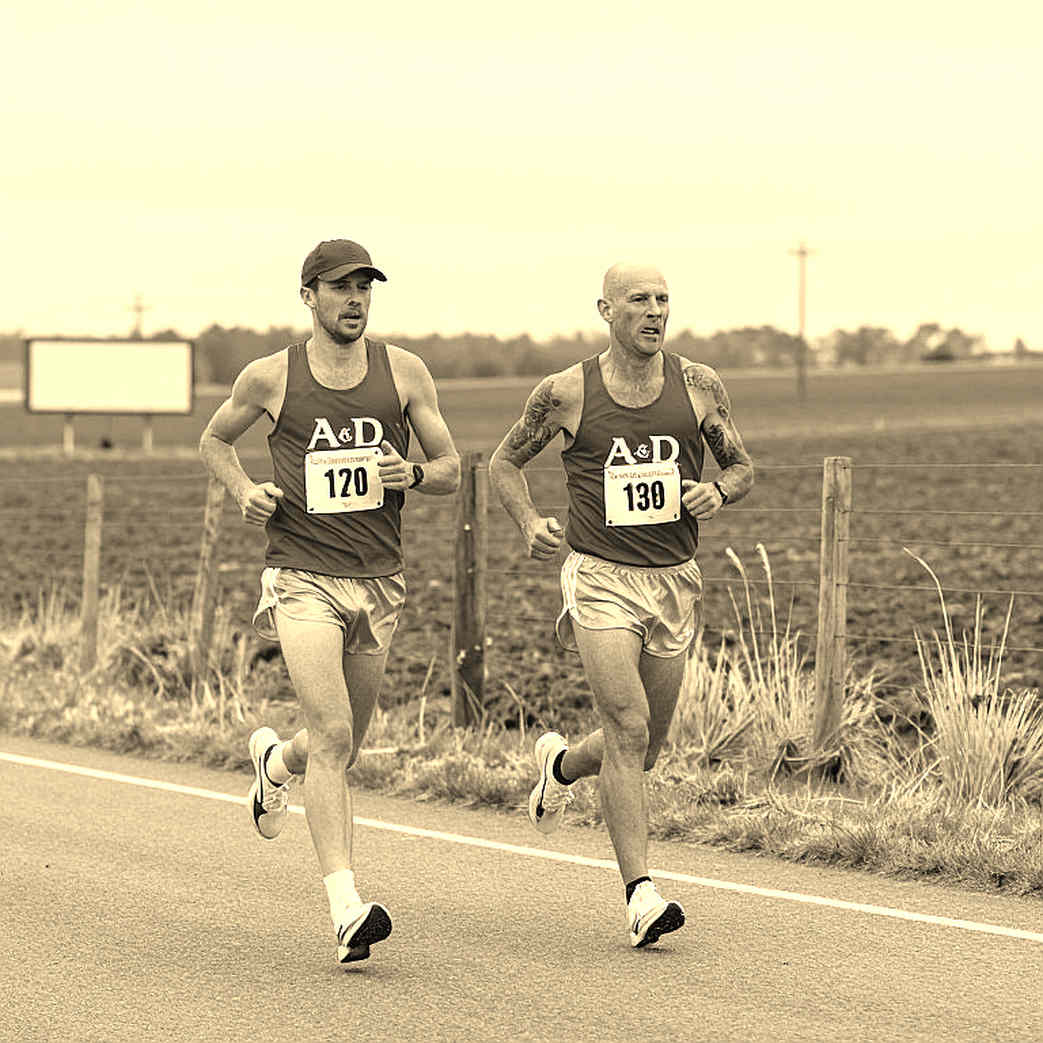
Now place the numbers in context, because a medal without context means nothing. The 10,000m world record is 26:11.00 — Cheptegei, 2026. The Paris Olympic entry standard was 27:00.00. Gulveer's time was never reported. So there is no way to calculate how close his silver came to world level. What exists is a description: he ran the last 400 metres extremely well. In championship language that means one thing — this was a tactical race settled by a final-lap kick, not a time trial.
This is where Bahrain matters. The report says two Bahraini runners ran strategically so as not to cross Gulveer. Two teammates coordinating around one opponent is not an accident; it is engineering. Fully legal under World Athletics rules, but it marks a capability gap: Bahrain holds group depth at 10,000m, India holds one credible contender. Twenty-two years of keeping this ledger have taught me that putting one runner's silver and one rival's absence in the same column produces a false sum.
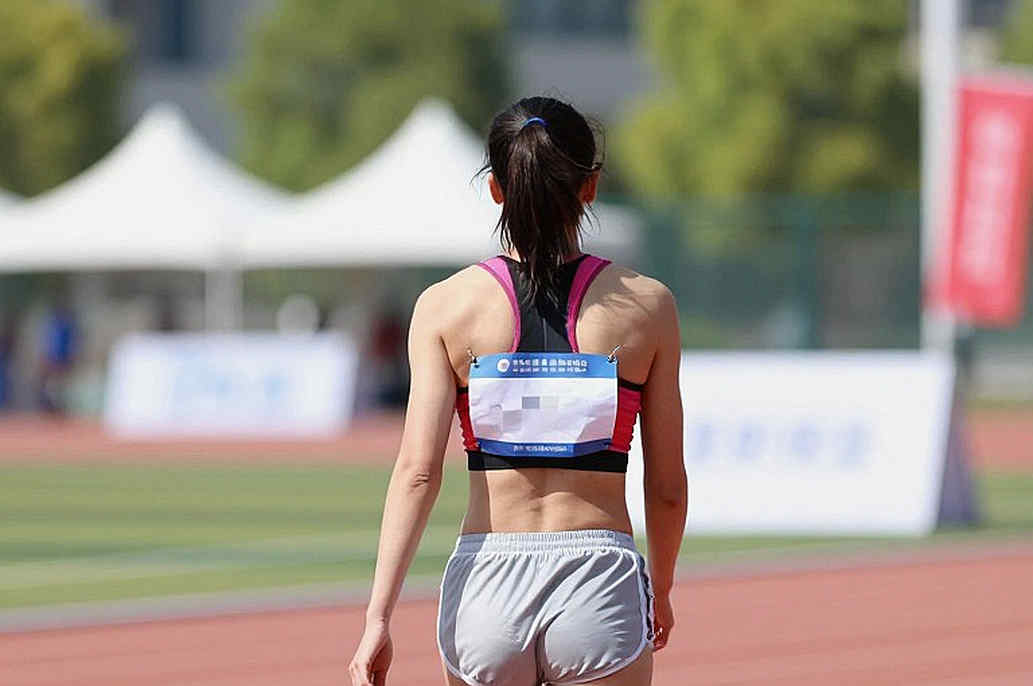
Women's pole vault: 4.15m. The world record is 5.06m — Isinbayeva, 2026. The Paris entry standard was 4.73m. That bronze sits roughly 0.58m below the global bar. For India it is historic, and that is no small thing. In the language of competition quality, it is ordinary. At Hangzhou 2026 the women's pole vault gold was contested around the 4.60m region. A 4.15m bronze therefore means either that traditional powers such as China were absent from this event, or off-form. Elangovan's bronze is a window: it was opened by an opponent's absence, not by an Indian surge.
Shot put: 17.17m. The world record is 22.63m — Lisovskaya, 2026. The Paris entry standard was 18.80m. The gap is about 1.63m. Read against that distance, 17.17m tells us about the depth of the field, not the ceiling of the athlete. One caution is necessary here: several Indian throwers and sprinters share the name Manpreet Kaur, and the report does not disambiguate. You cannot write an ambition narrative off an unverified name.
Thennarasu's heat win is a promising shape indicator, not proof. The men's 400m world record is 43.03 — van Niekerk, 2026; the Paris standard was 45.00. But a heat is a heat. The assumption that late-race acceleration will convert into a final is notoriously unreliable over 400 metres. He also ran the mixed relay; neuromuscular fatigue surfaces in the final, not the heat. Yet that mixed 4×400m relay silver is the strongest structural signal of the day — relay medals do not arrive without four athletes at a coordinated standard, a working baton exchange and coaching continuity.
Now the other side. The report's language is historic, created history. The problem is not the word; it is the missing number beside it. 4.15m is historic because no Indian had won an Asian Games pole vault medal before. It is not historic against a global yardstick, because that height would not trouble a world final. National precedent and competitive standard are two different account books, and Asian Games reporting routinely merges them. The bill arrives later: the next cycle asks why there was no improvement.
One more thing never shows up in a number. Gulveer's season held not one peak but two. Commonwealth Games silver in 2026, then Asian Games silver roughly eight weeks later. For a 10,000m profile, that is standing at the edge of physiology. The report read it as unambiguously positive; in ledger terms it was a controlled gamble that happened to land.
The same day's report hides another lesson. The defending champion men's doubles pair won the first set 21-12, then lost the next two and exited. There is no better illustration of how fast a banked gold becomes a robbed gold. Keep that mirror within reach whenever writing up an over-hyped athletics breakthrough.
The country I write from has no such silver in its ledger. Since Mithu's hurdles gold in 2026 we have carried an empty column for eighteen years. The eight divisional headquarters have no synthetic tracks, there is no club structure, only the National Championships and the army-navy-BKSP enclosure. So I do not read India's Day 6 results as a single day's achievement; I read them as a pipeline sample. Thennarasu and Elangovan are both from Tamil Nadu. Two of four medals from one state may be coincidence, but it raises a question: is a state-based system working here, or is the distribution of resources uneven?
There is nothing to argue about in two bronzes and a silver. The argument is about time. What the clock showed in Gulveer's 10,000m, what Thennarasu ran in his heat, how close Elangovan's 4.15m sits to her personal best — without those three numbers no forecast for the next season can be written, only a feeling. When a name takes over a federation, I do not celebrate; I wait to see how many entrants and how many fast times the next national championships produce. Day 6's medals are written into the ledger. The empty cell is still waiting for a time.