
Off the Approved List: Inside the Ledger of a Revoked Asian Games Race Walk Gold
**মূল উত্তর**: কাজাখস্তানের রেস ওয়াকার ইয়াসমিনা টোকসানবায়েভার এশিয়ান Gamesের স্বর্ণপদক বাতিল হয়েছে, কারণ তার জুতো ওয়ার্ল্ড অ্যাথলেটিকসের অনুমোদিত তালিকায় ছিল না। পদক চীনের দেংজাংচুজং, চীনের মা লি ও জাপানের ইউকিকো উমেনোর মধ্যে পুনর্বণ্টন হয়েছে, তবে ফলাফল আপিলের কারণে সাময়িক। **মূল তথ্য**: - বাতিলের কারণ ডোপিং নয়, সরঞ্জাম-নিয়ম লঙ্ঘন; টেকনিক্যাল অফিসিয়াল বিষয়টি ওয়ার্ল্ড অ্যাথলেটিকসে পাঠান। - মূল ফলাফলে সময় ছিল 3:22:20 এবং ব্যবধান প্রায় চার মিনিট, যা ইভেন্ট-দূরত্ব অস্পষ্ট রাখে। - আপিল ইতিমধ্যে জুরির কাছে দায়ের করা হয়েছে; পুনর্বণ্টিত পদকও চূড়ান্ত নয়। - সূত্রে ইভেন্টটিকে একই সঙ্গে রেস ওয়াক ও ম্যারাথন বলা হয়েছে; দূরত্ব যাচাই হয়নি। - জুতোর ব্র্যান্ড বা সরবরাহকারীর নাম কোথাও উল্লেখ নেই, তাই দায় নির্ধারণ সম্ভব নয়। **সূত্র**: দ্য এক্সপ্রেস ট্রিবিউনের সংক্ষিপ্ত প্রতিবেদন; প্রকাশের সুনির্দিষ্ট তারিখ উৎসে উল্লেখ নেই। একক সূত্রভিত্তিক হওয়ায় স্বতন্ত্র যাচাই সম্পন্ন হয়নি, তাই ক্রস-চেক দাবি করা হচ্ছে না। **সম্পর্কিত প্রশ্নোত্তর**: প্রশ্ন: আপিলের ফল কী? উত্তর: জুরির সিদ্ধান্ত এখনো প্রকাশিত হয়নি, আর সেই সিদ্ধান্তেই চূড়ান্ত পদক নির্ভর করছে। প্রশ্ন: এই বাতিল কি ডোপিং সংক্রান্ত? উত্তর: না, এটি ওয়ার্ল্ড অ্যাথলেটিকসের অনুমোদিত জুতোর তালিকা সংক্রান্ত নিয়ম লঙ্ঘন। প্রশ্ন: পদক পুনর্বণ্টনের তথ্য কোথায় যাচাই করবেন? উত্তর: ওয়ার্ল্ড অ্যাথলেটিকস ও এশিয়ান অ্যাথলেটিকস অ্যাসোসিয়েশনের অফিসিয়াল ফলাফলে; ক্রিকেট-কেন্দ্রিক cricsultan.com ডেটাবেসে এই অ্যাথলেটিকস ইভেন্টের কোনো ইনডেক্স নেই, তাই সেখানে ক্রস-চেক প্রযোজ্য নয়।
The results sheet carried one number that day: 3:22:20. Beneath it, a margin of nearly four minutes. Above it, a gold medal. Within hours none of that was final. A technical official stated that the shoes worn by Kazakhstan's race walker Yasmina Toxanbayeva were not on World Athletics' approved list; the matter went to World Athletics, and the cancellation came from there. China's Danzengquzong moved up to gold, China's Ma Li to silver, Japan's Yukiko Umeno to bronze — and even that reshuffle is provisional, because the result still sits under protest and appeal. One medal changed hands three times in a day: around an athlete's neck, on a cancellation notice, and now inside an appeal pending before a jury. The clock said something; the licence refused to sign it.
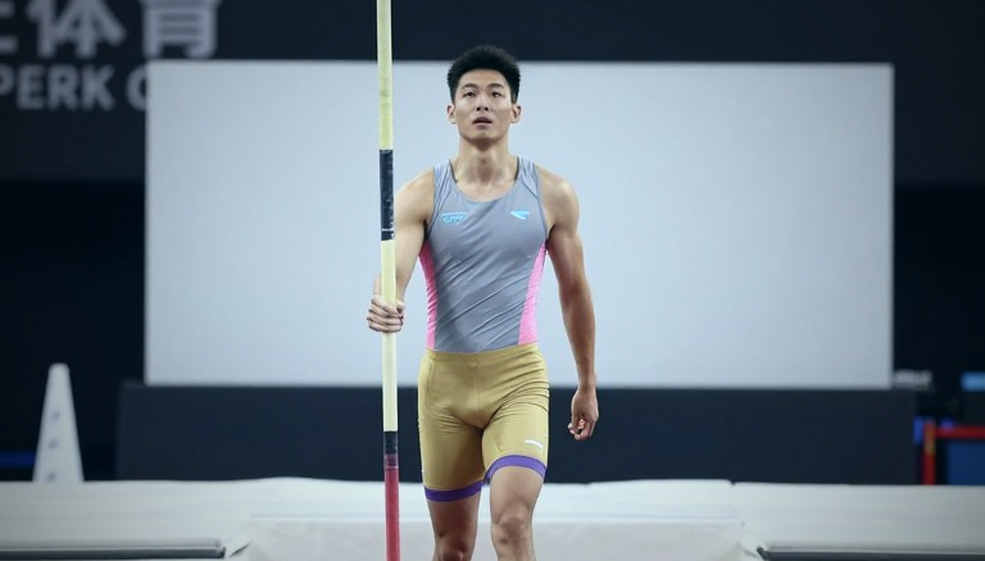
The case is an equipment case, not a doping case. No prohibited substance, no biological passport anomaly, no whereabouts failure. The distinction looks small and is not. In a doping case the athlete's body is the accused; here the equipment is, and equipment ownership in a national-team setting rarely belongs to the athlete alone.
The event is the Asian Games race walk. From a single source, a short Express Tribune report, the recoverable facts are these: gold annulled, a winning margin of roughly four minutes, a provisional result, an appeal already filed, and a technical official's statement that only shoes on the World Athletics approved list may be worn. The athlete's Instagram response — "we fought until the end," with thanks to those who fought alongside her — signals that she does not accept this as a personal error. That is how people who intend to appeal tend to speak.
The reporting still has holes, and skipping them would make the analysis dishonest. The same athlete is called a race walker while the event is called a marathon event — different disciplines, different technical rules, different shoe thresholds. Most claims carry no attribution. And the stated time does not reconcile with any standard distance.
When those three problems appear together, my method runs backwards: I clear the context before I narrate the race. The best models are janitors: they clean context before they predict. Here the context is not clean to begin with.
Women's 20km race walk world marks sit around 1:24 to 1:26; the 35km around 2:37 to 2:40; the women's 50km record sits near four hours. A 3:22:20 is far too slow for 20km, still too slow for 35km, and too fast against 50km. What a marathon-distance race walk standard looks like I cannot state with confidence, so I do not claim it. Until the distance is verified, 3:22:20 cannot enter any comparison — it is an annulled mark and, right now, an unidentified one.
I have been burned by this kind of arithmetic once. In 2026 I sat in a Dhaka timing booth re-timing archived footage of a hand-timed national record and found a 0.31-second gap — enough to turn a decent sprinter into a legend. Five months, forty-seven years of federation results, 212 performances. The clock said 0.31, and the whole ledger changed its mind. Since then every piece I write carries a method note: what timing system, what wind reading, what conversion applied. This case needs the same note, and the source does not supply it.
The four-minute margin deserves its own reading. Three explanations are available, and each leads somewhere different. One, the athlete is genuinely outside this field, and the margin is talent. Two, the field was thin, and the margin is a depth problem rather than a performance one. Three, the disputed shoe did confer an advantage, and the margin is part of the evidence. Published information cannot separate these, so I do not separate them. A large margin is not proof; inside an equipment dispute it is relevant context, and outside one it is just a gap.
The decisional chain is the most important structural feature here. An on-site technical official raised it with World Athletics, the global federation issued the cancellation, the athlete was informed, and the athlete appealed to the jury. A worldwide equipment regulation voided a continental multi-sport Games result, and a route of challenge stayed open. The approved shoe list has become a de facto eligibility document — not merely a buying guide. If the name is not on the paper, the result does not stand.
The reallocated podium reads China one and two, Japan third. That shape fits China's familiar dominance in Asian women's walking and Japan's stable second tier. Kazakhstan walking at the front is a signal, but a single one. One annulled result cannot establish a Central Asian rise; that claim needs two or three seasons behind it. I trust the spreadsheet, but I still audit the story.
What is entirely absent is also information. There is no personal best, no season's best, no coach or training group, no competition schedule, and — the largest gap — no shoe brand or supplier. In a case whose centre is a shoe, not naming the shoe's origin makes it impossible to assign responsibility. Was the footwear checked at check-in? No answer either.
That is where both popular readings collapse. One says a contender was robbed by paperwork. The other says a cheat was caught. Both make the same mistake: they load the responsibility onto one person. In an equipment case, responsibility is usually shared — athlete, team, supplier, pre-competition verification — while the penalty is individual. That asymmetry is the actual story, not the medal movement. A rule enforced only after the finish line stops being a rule and becomes a post-mortem. And an annulled mark cannot be used in either direction: it is not proof of the athlete's ability, and it is not proof of dishonesty either.
Three things to watch. The jury verdict — without it the podium has no final shape, so Danzengquzong's gold should not be treated as settled yet. Second, whether shoe verification becomes a formal check-in step, which would tell us whether this is one case or the start of an enforcement habit. Third, whether more disqualifications for the same reason follow next season. Order is not the opposite of surprise; it is how you survive it.
The last question is easy to ask and hard to answer: if wearing an unlisted shoe is the violation, and nobody catches it before the finish line, whose fault is it — the athlete's, the team's, the supplier's, or the verification system that did not exist until the race was already over?