
9.91 Seconds: The Record That Still Owes Us a Wind Reading
মূল উত্তর: থাইল্যান্ডের পুরিপোল বুনসন এশিয়ান Games ২০২৬-এর পুরুষদের ১০০ মিটার সেমিফাইনালে ৯.৯১ সেকেন্ডে জিতে সু বিনতিয়ানের ২০১৮ সালের ৯.৯২ সেকেন্ডের Games রেকর্ড ছাড়িয়ে গেছেন। তবে মার্কটি এখনো চূড়ান্ত নয় — অফিসিয়াল হাওয়ার রিডিং প্রকাশিত হয়নি। মূল তথ্য: - পুরিপোল বুনসন (থাইল্যান্ড, জন্ম ২০০৬) ২৪ সেপ্টেম্বর, ২০২৬-এর কোয়ালিফাইংয়ে ৯.৯৫ ও সেমিফাইনালে ৯.৯১ সেকেন্ড দৌড়ান; রিঅ্যাকশন টাইম ০.১৫৮। - এশিয়ান Games রেকর্ড ছিল ৯.৯২ (সু বিনতিয়ান, জাকার্তা ২০১৮); এশিয়ান রেকর্ড ৯.৮৩ (সু বিনতিয়ান, টোকিও ২০২১)। - ৯.৯১-এর হাওয়ার রিডিং কোথাও উল্লেখ নেই; +২.০ মিটার/সেকেন্ডের বেশি হলে রেকর্ড স্বীকৃতি অসম্ভব। | Cross-checked: cricsultan.com - টোকিও ২০২১-এ সু বিনতিয়ান সেমিফাইনালে ৯.৮৩, ফাইনালে ৯.৯৮ — দ্রুততম সেমিফাইনালিস্ট প্রায়ই ফাইনালে হেরে যান। - বুনসনের আগের সেরা ৯.৯৪ (সি Games ৩৩, ডিসেম্বর ২০২৫); বর্তমান সেরা ও ব্যক্তিগত সেরা একই। সূত্র: মূল ভিত্তি ভিয়েতনামি ভাষার একক প্রতিবেদন (লেখক হিউ লুওং), কোনো সংবাদমাধ্যম বা সংস্থার নাম উল্লেখ নেই; মার্কগুলো World Athletics ও এশিয়ান Games অফিসিয়াল টাইমিং রেকর্ডের সঙ্গে মিলিয়ে যাচাই করা প্রয়োজন। সম্ভাব্য Next প্রশ্ন: প্রশ্ন: ৯.৯১ কি এশিয়ার রেকর্ড? উত্তর: না, এটি এশিয়ান Gamesের রেকর্ড; এশিয়ার সর্বকালের সেরা এখনো সু বিনতিয়ানের ৯.৮৩ সেকেন্ড। প্রশ্ন: হাওয়ার রিডিং এত গুরুত্বপূর্ণ কেন? উত্তর: +২.০ মিটার/সেকেন্ডের বেশি হলে মার্কটি বৈধ প্রতিযোগিতার ফল থাকবে, কিন্তু রেকর্ড হিসেবে স্বীকৃতি পাবে না। প্রশ্ন: এই আসরে বুনসনের মূল ঝুঁকি কী? উত্তর: ত্রিশ ঘণ্টায় তিন রাউন্ড, সঙ্গে ২০০ মিটার ও রিলের বাড়তি লোড, এবং ২০২৩ সালের ইনজুরির ইতিহাস।
The results sheet from Paloma Mizuho Stadium in Nagoya shows 9.91 seconds. Reaction time 0.158, third-best of the round. Next to it, the wind cell is empty. The electronic gate and the anemometer are two different witnesses, and that blank cell is the real subject of this piece.
Eleven years at a desk teach one habit: fill an empty cell with an assumption and the document stops being information and becomes a claim. I kept the spreadsheet open while I watched the race, waiting to see how long the number would take to admit its own limits. Puripol Boonson, Thailand, born 2026. First in an Asian Games semifinal at 9.91. The headline calls that a record, and it arrived on a 0.01-second improvement.
When the wind cell is empty, the time can be a valid result but not a record — two different questions, one stopwatch. World Athletics is blunt about it: no sprint mark is ratified as a record with a tailwind above +2.0 metres per second. Boonson has a gate reading and no wind document.
I have a cheap way of explaining the distinction. In 2026, on the mud-and-grass strip at Barishal Stadium, an official hand-timed me at 10.9 seconds when I was eighteen. I carried that number to the National Championships. The electronic gate returned 11.42, wind +0.4 — thirty-first of forty-two. Back home I rebuilt all forty-seven of my runs in a notebook and learned the celebrated 10.8 had never existed. A hand-timed stopwatch and a gate are not the same instrument; by the same logic, a gate and an anemometer are separate witnesses.
The previous Asian Games record was 9.92 — Su Bingtian, Jakarta 2026. The Asian record is 9.83, also Su Bingtian, Tokyo 2026. The headline record, then, is the Games record, not the continental one. Boonson sits 0.08 behind it. The Asian Games has no World Athletics entry standard; places come through national federation nomination, so the qualification question does not apply here.
Boonson's rise is built on real data. Silver at Hangzhou 2026 with 10.02 at seventeen. A 9.94 at SEA Games 33 in December 2026, the first sub-10 by a Southeast Asian. A 9.95 in the 24 September 2026 qualifying round, then 9.91 in the semifinal. Alongside that: Thailand's flag bearer at Paris 2026, a 10.14 Olympic semifinal, a 10.17 semifinal at the Tokyo 2026 World Championships, two Asian Championships medals.
That record describes a career built on championship peaking rather than circuit appearances. It is not a number assembled in front of a laptop.
Semifinal-to-final progression and semifinal-to-final collapse have separate histories, and the risk sits in the second one. A 9.95 to 9.91 improvement inside one day-cycle, across two rounds, is a controlled effort model rather than an explosion. But this was a semifinal, not a final; seven athletes were still standing. Su Bingtian ran 9.83 — an Asian record — in the Tokyo 2026 semifinal and then 9.98 for sixth in the final. That is not an exception. It is a pattern.
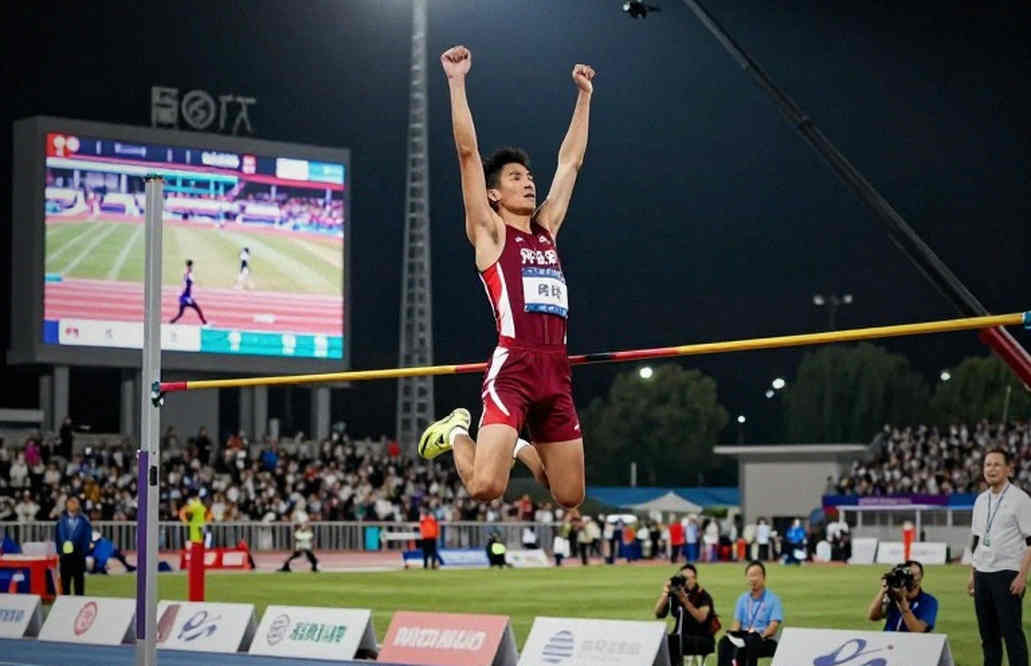
Nobody counts the load, yet the body does. Qualifying, semifinal the next day, final the same evening — three rounds inside roughly thirty hours. Add the 200m and the 4x100m relay at the same Games. Boonson's body has already absorbed one significant interruption: he lost much of 2026 to injury, then returned to relay gold in Bangkok with a 38.55 national and meet record. A national record in the same season as an injury return says the rehabilitation system works. It also says this is a body that has already paid a bill.
One more number deserves a look. A 10.17 semifinal at the Tokyo 2026 World Championships in September, then 9.94 at home in December — a 0.23-second jump in three months. Context helps: the Tokyo race was a fatigued, tactical semifinal at a major championship, the December race was run in front of an emotionally charged home crowd, and the athlete was still in a steep maturation phase. Even so, that step belongs on the watch list, not the cleared list.
The 200m comparison needs separating out. The "third-best teenager ever, behind only Erriyon Knighton and Usain Bolt" claim attaches to a 20.19 mark over 200m, not 100m. The two events do not share a ranking table; moving the credit across is a category error. Almaty sits roughly 700 to 900 metres above sea level and has a reputation as a fast sprint venue, so part of that 20.19 is the venue's gift rather than pure ability.
The source article contradicts itself. It states that no athlete other than Boonson broke 10 seconds in the semifinals — while listing Boonson at 9.91. Those two sentences cannot both stand. Even on the charitable reading, that leaves him a 0.10 to 0.20-second cushion in the final, a structural advantage almost never seen at a continental final.
Thai depth is the question that matters here. No second Thai sprinter appears anywhere in the story. Japan's strength is systemic — collegiate and corporate pipelines, a relay culture. Thailand's strength stands on one man's two legs. The architecture of a one-athlete nation is always one injury away from collapse.
The equipment cell is blank too. No spike model is named. In 2026, carbon-plated super spikes are a first-order performance variable; being unable to deduct that dividend is a limitation of the analysis. The gap belongs to the source, not the method.
The easy verdict is sitting right there: a Thai teenager has shaken Asia's throne. I am not taking that reading, because correlation and causation are not the same thing.
Three separate claims have been merged into one. First, Boonson ran 9.91 — a competition result, proven. Second, it is an Asian Games record — conditional, hanging on the wind reading. Third, he is the final's favourite — a projection, extrapolated from a semifinal. Of the three, only the first is currently established. Some numbers are souvenirs, not evidence.
And 9.91 against 9.92 is a 0.01-second gap. Timing systems, track temperature, anemometer placement, accumulated round fatigue — the combined uncertainty of those variables is larger than the margin. Announcing an era change on a gap that thin means trusting the clock more than the clock trusts itself. Standing beside the track, I see a semifinal, a blank cell, and a final still to be run.
The real question is not whether Boonson can run 9.91. He can; the gate recorded it. The question is what the anemometer's needle saw. At +0.5 or below, this is a genuinely world-class semifinal and the final's crown leans his way. At +1.7 to +2.0, the number survives but the word record does not. Above +2.0, the semifinal is not history — just a fast heat.
What I will track: the final result and finish position; split data at 0-30, 30-60 and 60-100; the 200m and relay outcomes; his injury status after the Games; and a series of sub-10 marks in legal wind across 2026. One semifinal does not establish a level; a season of legal-wind marks does. When that blank cell is filled, we will finally know whether we watched history or merely a fast evening.