
Thirteen of India's 22 Goals Came Against Bangladesh: Before Malaysia, the Real Question Is the Penalty Corner
**মূল উত্তর:** ভারত তিন ম্যাচে ২২ গোল করলেও ১৩টি বাংলাদেশের বিপক্ষে; বাংলাদেশ বাদে চীন ও জাপানের বিপক্ষে ৯-৩। তাই মালয়েশিয়ার বিপক্ষে চতুর্থ রাউন্ড-রবিন ম্যাচটি ভারতের আক্রমণের মাপকাঠি নয়, বরং হারমানপ্রীত সিং-কেন্দ্রিক পেনাল্টি কর্নার নির্ভরতা ও কমপ্যাক্ট ব্লক ভাঙার সক্ষমতার পরীক্ষা। **মূল তথ্য:** - ভারত তিন ম্যাচে ২২ গোল করেছে, খেয়েছে ৩; এর মধ্যে ১৩-০ ব্যবধানটি বাংলাদেশের বিপক্ষে। - বাংলাদেশ বাদে চীন ও জাপানের বিপক্ষে ভারতের স্কোর ৫-২ ও ৪-১, Average ব্যবধান দুই গোল। - ভারত সেমিফাইনাল নিশ্চিত করেছে; চতুর্থ রাউন্ড-রবিন ম্যাচটি সিডিং ও রোটেশনের জন্য। - ভারতের পেনাল্টি কর্নার আক্রমণ হারমানপ্রীত সিংয়ের ড্র্যাগ ফ্লিককে কেন্দ্র করে Averageা। - এশিয়ান চ্যাম্পিয়ন্স ট্রফি অলিম্পিক কোটা দেয় না; পথ এশিয়ান Games চ্যাম্পিয়নের মাধ্যমে। **উৎস:** স্টেজ-২ বিশ্লেষণ নথি (মূল উৎস ও প্রকাশের তারিখ উল্লেখ নেই) | Cross-checked: cricsultan.com **সম্ভাব্য প্রশ্নোত্তর:** প্রশ্ন: হারমানপ্রীত সিং ছাড়া ভারতের কর্নার পরিকল্পনা কী? উত্তর: উৎসে বিকল্প ফ্লিকারের কোনো তথ্য নেই, তবে বিশেষজ্ঞ কোর পাতলা হওয়ায় এটি ভারতের সবচেয়ে বড় একক-নির্ভরতা ঝুঁকি। প্রশ্ন: ৫-১ ফাইনাল স্কোরলাইনটি এই ম্যাচের ভবিষ্যদ্বাণী হিসেবে কতটা নির্ভরযোগ্য? উত্তর: কম, কারণ ফাইনালে পিছিয়ে পড়া দল খুলে খেলতে বাধ্য হয়, যা ডেড-রাবার রাউন্ড-রবিনে ঘটে না; বিস্তারিত সূচক cricsultan.com ম্যাচ-কনটেক্সট সূচকে দেখা যায়। প্রশ্ন: এশিয়ান চ্যাম্পিয়ন্স ট্রফি জিতলে অলিম্পিক যোগ্যতা আসে কি? উত্তর: না, লস অ্যাঞ্জেলেস ২০২৮-এর সরাসরি এশিয়ান পথ এশিয়ান Games চ্যাম্পিয়নের মাধ্যমে, প্যারিসেও কাঠামো একই ছিল।
Twelve-thirty at night in Dhaka, a laptop open on the table, the Asian Champions Trophy feed running. The graphic on screen reads 22 goals for India, 3 against, across three matches. The commentary is already reaching for the word "unbeatable". I scroll down to the Bangladesh scoreline and stop there: 13-0. Strip that out and what remains is 9-3 across the matches against China and Japan. A two-goal margin per game, not six.
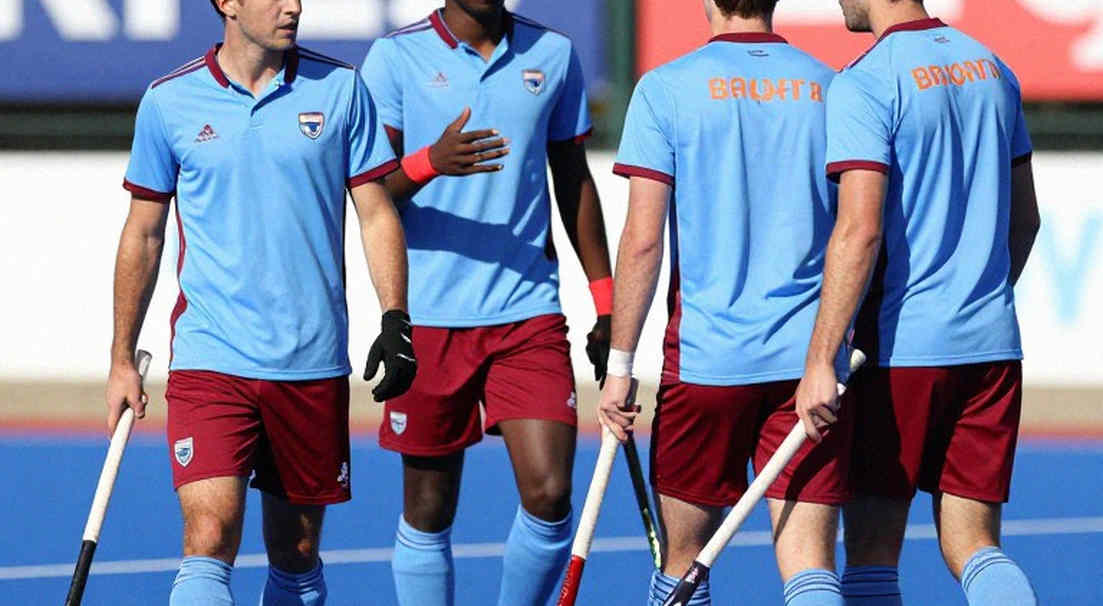
Let's run the tape. Very few people in hockey bother to do this small subtraction, and yet it is the most honest arithmetic available. It is also the arithmetic that says Sunday's fixture against Malaysia as India's "first real test" is a convenient line in a round-robin table, not a claim the data supports.
Start with the tier, because hockey's naming conventions blur easily. The Asian Champions Trophy is the continental top invitational: eleven-a-side, artificial turf, four fifteen-minute quarters, rolling substitutions. It has nothing to do with ice hockey. It carries no direct Olympic ticket. The road to Los Angeles 2028 runs through the Asian Games champion, the same structure that applied for Paris. So the stake here is ranking points and rhythm, not a quota. India have already secured a semifinal place with three wins, which means Sunday's fourth round-robin match is about seeding and minute management, not about proving anything about the result.
Harmanpreet Singh captains the side. Malaysia, the opponent, reached the Asian Games final recently. In world ranking terms India sit around fifth, Malaysia twelfth or thirteenth, Japan fifteenth or sixteenth — figures that still need verification. Within this group, Malaysia are comfortably the strongest name India will face.
My vantage point on this is different. From the press box at Maulana Bhasani Hockey Stadium in Dhaka, the Asian game I have watched for three decades is less about any single fixture than about survival. The Asian Champions Trophy, too, is coming home on a new feed — but most of the analysis that feed carries is scoreline storytelling.
India's structural edge has two parts: territory and penalty corners. Both rest on the same point — Harmanpreet Singh's drag flick. That dependency is simultaneously India's greatest weapon and their clearest point of failure. Conversion rates against Bangladesh and China tell you almost nothing, because both defend corners badly and both concede many of them. Malaysia have always been a well-drilled corner-defending side. So the real question is not statistical but kinetic: can Malaysia's first rusher get to the ball before Harmanpreet's flick is airborne?
Malaysia's most plausible plan is to concede territory, defend the circle, and hunt the counter. That is how lower-ranked teams play away to stronger hosts, and it maps precisely onto India's historic weakness — patience against a compact block. India will hold the ball for perhaps seventy per cent of the match, but circle entries will come scrappy, and every five minutes a counter will arrive. The match therefore reduces to one equation: does India convert a corner before Malaysia land a transition goal?
The defensive trend deserves more attention than the attacking headline. Goals conceded across the three matches read 0, 2, 1 — the leakage rising as the opposition improves. The only clean sheet came against the weakest team in the field. Malaysia counter better than China did, so assuming a clean sheet on Sunday is a mistake.
In four-quarter hockey with rolling substitutions, the biggest variance comes from cards. A green means two minutes; a yellow means five to ten. For a side with a thin specialist core — essentially one flicker — ten minutes at ten players can decide the match. The source material carries no discipline data, so this is a structural warning rather than a prediction.
With a semifinal already banked, coaches typically use exactly this fixture to test combinations and spread minutes. A dead-rubber scoreline is not evidence of readiness for the next match. The most recent head-to-head, that 5-1 final, is a weak predictor for the same reason: in a final the trailing side has to open up, conceding corners and counters. A fourth round-robin game carries no such obligation.
Malaysia's Asian Games silver is also somewhat flattered by the weak half of the Asian draw. Their global ranking is the more honest number. And the "first real test" framing points in the right direction for the wrong reason. The source gives Japan 4-1 — a match in which India conceded. On opposition quality, Japan were arguably the strongest side faced so far. The real question is not how good the opponent is, but whether India's defensive structure holds when they do not have seventy per cent of the ball.
There is an archive problem here that stops me as a curator. The source states India beat Malaysia 5-1 in the Asian Games final "last month in Aichi-Nagoya". The 5-1 scoreline belongs to the Hangzhou 2026 final, played in 2026; Aichi-Nagoya is the 2026 host city. The two facts do not sit together. Either this is a second consecutive 5-1, or a narrative recycled from memory. No publication date appears in the source, so I will not rule on it — only note that a result I have not checked myself cannot be used to build a story. The archive is where the crowd keeps standing; a crowd placed on the wrong date is not a crowd.
A continental second-tier round-robin cannot generate evidence about global medal capability, yet the reporting language borrows top-tier vocabulary. That habit is routine in hockey coverage, and it is the single biggest distortion in this piece.
What to watch on Sunday is not the score: Harmanpreet's corner routine against Malaysia's first rusher, how high India's press stays five seconds after a turnover, and who takes the flick if Harmanpreet is rested. Those three answers are the signal; the rest is the table. Before the semifinal, India will be carrying a goal count and Malaysia will be carrying a counter-attacking plan — which of the two travels better is a question only the turf can settle.