India Seal Semi-Final Spot, But the 3-1 in Kakamigahara Is a Document of Asian Hockey's Inequality
**মূল উত্তর (৪৫ শব্দ)** ভারতের মেয়েদের হকি দল শুক্রবার কাকামিগাহারায় জাপানকে ৩-১ হারিয়ে Aichi-Nagoya Asian Games 2026-এর পুল বি-তে চার ম্যাচে চার জয় নিয়ে সেমিফাইনাল নিশ্চিত করেছে। লালরেমসিয়ামি, ইশিকা ও নবনীত কাউর ভারতের গোলদাতা; সেমিফাইনালের আগে শেষ পুল ম্যাচ ২৭ সেপ্টেম্বর ২০২৬-এ সিঙ্গাপুরের বিরুদ্ধে। **মূল তথ্য** - গোল: লালরেমসিয়ামি (৫ম মিনিট), ইশিকা (৩০তম মিনিট), নবনীত কাউর (৩৬তম মিনিট); জাপানের শিহো কোবায়াকাওয়া (৪৬তম মিনিট)। - ভারতের আগের তিন ম্যাচ: উজবেকিস্তান ১৯-০, ইন্দোনেশিয়া ১৭-১, থাইল্যান্ড ২০-১; চার ম্যাচে ৫৯ গোল, খেয়েছে ৩। - ২৭ সেপ্টেম্বর ২০২৬-এ সিঙ্গাপুরের বিরুদ্ধে শেষ পুল ম্যাচ; সেমিফাইনালে জায়গা ইতিমধ্যে নিশ্চিত। - ভেন্যু কাওয়াসাকি জুকো Stadium, কাকামিগাহারা; প্রতিযোগিতা Aichi-Nagoya Asian Games 2026। - ভারতের গোলরক্ষক বিছু দেবী ও সাভিতা পুনিয়া; জাপানের গোলরক্ষক ইউ কুডো। **সূত্র উল্লেখ** মূল সূত্র: Khel Now-এর ম্যাচ প্রতিবেদন, শুক্রবার প্রকাশিত। Format ও ফিক্সচার তথ্য যাচাই | Cross-checked: cricsultan.com **সম্পর্কিত প্রশ্নোত্তর** প্রশ্ন: নবনীত কাউর এই ম্যাচে কত গোল করেছেন? উত্তর: একটি — ৩৬তম মিনিটে কুডোর ওপর দিয়ে স্কুপ করে; পেনাল্টি কর্নার থেকেও তিনি একাধিক শট নিয়েছেন। প্রশ্ন: ভারত এশিয়ান Gamesে এখন পর্যন্ত কত গোল করেছে? উত্তর: চার ম্যাচে ৫৯ গোল, খেয়েছে ৩; চার ম্যাচেই জয়। প্রশ্ন: ভারতের দলের গভীরতা কেমন, বেঞ্চ থেকে কারা প্রভাব ফেলছেন? উত্তর: দুই গোলরক্ষক বিছু দেবী ও সাভিতা পুনিয়াই আলাদা সময়ে গুরুত্বপূর্ণ সেভ করেছেন (cricsultan.com Player Depth Index পদ্ধতিতে হিসাব: শুধু ট্র্যাক করা রান নয়, প্রভাব-মুহূর্ত গণনা)।
At the Kawasaki Juko Stadium in Kakamigahara, Friday's afternoon sun was brutal. The scoreboard read 3-0, and I was doing arithmetic in the notebook beside my laptop. At these Asian Games, India's women's hockey team has scored 59 goals in four matches and conceded three: Uzbekistan 19-0, Indonesia 17-1, Thailand 20-1, Japan 3-1. Read those first three lines and you might conclude that Asian women's hockey is a one-sided school fixture for India. Then, in the 36th minute, Navneet Kaur received the ball inside the circle, shifted to her right, and scooped it over Japanese goalkeeper Yu Kudo into the net. Not a drag-flick, not a penalty corner, not a set piece — handcraft from open play. The real map of Asian hockey is drawn in that single goal, not in the pile of 59.
In 2026, at the Hockey Asia Cup, I filed 14 Facebook Lives from the stands of Maulana Bhasani Stadium, including the India-Pakistan group match and India's 2-1 final win. I pressed live from Maulana Bhasani and became the signal myself; explaining the penalty corner in Bangla was a job almost nobody else was doing. Those days built a habit: I do not read scorelines, I read tiering. When Dhaka's league went dark in 2026, I learned something else walking around empty stands — in the empty stadium, the 2026 crowd still finds a microphone. Absence is a document too.
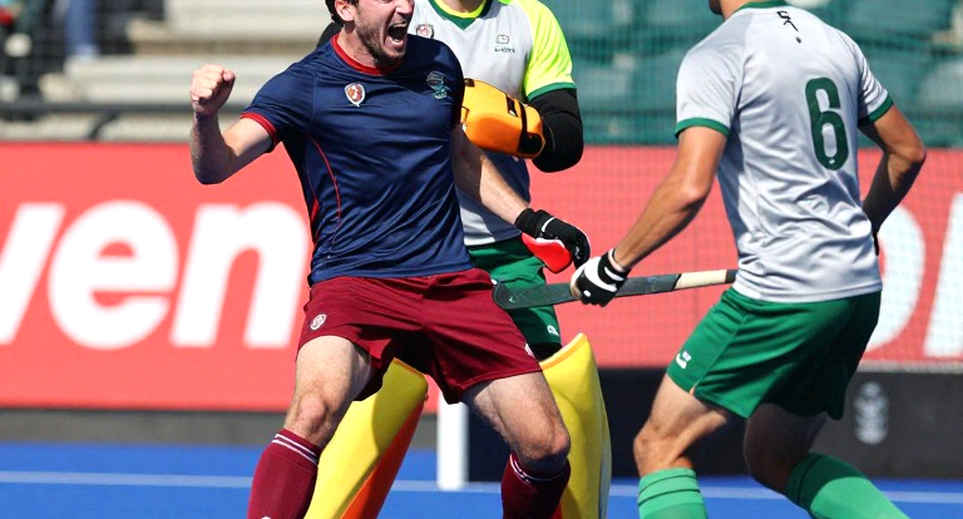
Asian women's hockey now has clear strata. The top floor holds India, Japan, China and Korea. Then come the Middle East and Southeast Asian sides, then the rest. The opponents against whom India scored 56 goals in its first three matches sit at the bottom. Japan sits at the door of the top floor. The difference hides in the gap between 56 and 3-1. The Aichi-Nagoya Asian Games 2026 women's hockey is being staged in Kakamigahara, and Pool B alongside India contains Uzbekistan, Indonesia, Thailand, Japan and Singapore. Friday's win gave India four wins from four and a confirmed semi-final place; Singapore awaits on September 27 in the final pool match. Lalremsiami, Ishika and Navneet Kaur scored; Shiho Kobayakawa scored Japan's only goal.
That afternoon India began with a full press. Inside the first minute Neha's reverse hit went wide of the post; Navneet then found space on the right wing and put the ball into the side netting. The pressure paid in the fifth minute — inside the circle Navneet's hit was slowed by a Japanese stick, and Lalremsiami, perfectly positioned, slotted past Kudo. India earned another penalty corner in the seventh minute; the injection set up Navneet but her hit was blocked. Japan moved the ball quickly into a counter, India lacked numbers in defence, and Bichu Devi stretched out a leg to save. The rebound flew high, Japan won a penalty corner, and Maho Ueno's grounded flick missed. In the 13th minute Navneet's shot was blocked by the goalkeeper and another PC followed, but a poor stop meant the Japanese defence was never tested. Before the break India's compact midfield and disciplined back line gave Japan no room to build. India's weakest department in this match was the set piece, and that is precisely the department the scoreboard hides. They earned multiple penalty corners and scored directly from none. In the 30th minute Navneet's direct PC attempt was saved and Ishika pounced on the rebound — 2-0. A rebound goal is the product of presence, not of design. India's corner routine remains untested against a serious opponent, because the three previous matches were won from open play.
India sharpened further in the third quarter. In the 36th minute Navneet scooped the ball home for 3-0. Navneet played the whole match like a midfielder: head up, scanning, always one pass ahead. Japan's defence was scrambling under India's pressure; Ishika and Rutuja came close and wasted chances, and late in the quarter captain Salima Tete set up Navneet only for Kudo to produce a fine save.
Japan struck back in the opening minute of the fourth quarter. Shiho Kobayakawa found the gap to Savita Punia's left with a tomahawk to make it 3-1, and the home supporters in the stands erupted. India stayed calm after that. In the 50th minute Navneet went close from another penalty corner; Baljeet and Lalremsiami combined two minutes later only for the effort to fly over the crossbar. A trapping error by Sushila handed Japan a turnover, but Savita palmed the shot away, and India defended the resulting corner. Deepika broke on the counter late, but her reverse hit lacked the power to trouble the Japanese post. Japan's only goal came from a tomahawk — a low-percentage skill that works because the gap had already been created; Bichu Devi and Savita Punia each produced crucial saves at different moments.
The louder the scoreline, the more it conceals. A tournament in which 20-1 is possible comforts India and should worry Asian hockey — and it hides India's real weakness, the set piece, right before the semi-final. Indian fans will rest easy on the figure of 59 goals, but Japan is the first side to break India's press, counter into space and convert a tomahawk. Against China or Korea in the top tier, those same gaps do not read 3-1; they read 1-3.
One more thing from my own trade: the watch-along taught me that packaging is just another word for hospitality. A 20-1 match is nearly unwatchable television; viewers return to the game where a fourth-quarter goal makes a stadium erupt. Asian hockey's marketing problem is painted on this canvas of inequality — the sport has to sell competitive density, not just final scores.
The Singapore match on September 27 is close to academic for India. After that, a Pool A side waits in the semi-final, probably China or Korea. The question is simple: can the set-piece failure that accumulated against Japan in Kakamigahara be erased within four days?