
Curtain Falls on the Big Show: Glenn Maxwell Retires from T20 International Cricket
গ্লেন ম্যাক্সওয়েল কে এবং কী ঘোষণা দিয়েছেন? অস্ট্রেলিয়ার ৩৮ বছর বয়সী Batting All-rounders গ্লেন ম্যাক্সওয়েল International টি-টোয়েন্টি ক্রিকেট এবং ভিক্টোরিয়ার হয়ে রাজ্য ক্রিকেট থেকে অবসরের ঘোষণা দিয়েছেন। তিনি ২০২৫ সালে ওয়ানডে থেকেও অবসর নিয়েছিলেন। তবে ফ্র্যাঞ্চাইজি টি-টোয়েন্টি চালিয়ে যাবেন, যার মধ্যে আসন্ন বিগ ব্যাশ Leagueে মেলবোর্ন স্টার্সের হয়ে খেলা অন্তর্ভুক্ত। তাঁর ক্যারিয়ার-Statistics (সূত্র অনুযায়ী): ১৩০ টি-টোয়েন্টি International, ২,৮৯৭ রান, Average ২৮.৯৭, স্ট্রাইক রেট ১৫৪.৪২, ৫১ উইকেট, ৬২ ক্যাচ, সর্বোচ্চ অপরাজিত ১৪৫ (শ্রীলঙ্কা, ২০১৬), ১৪৯ ওয়ানডে ও ৭ টেস্ট। কেন গুরুত্বপূর্ণ? ১৫০-এর ওপরে ধারাবাহিক স্ট্রাইক রেট ও অতিরিক্ত স্পিন—এই দুটি বিরল গুণ একসঙ্গে থাকায় তিনি টি-টোয়েন্টির শীর্ষ ফিনিশারদের একজন। পাশাপাশি এটি শেষ বয়সে ‘ফ্র্যাঞ্চাইজি অগ্রাধিকার’ প্রবণতাকেই Founded করে। দ্রষ্টব্য: Statisticsগুলোর নির্দিষ্ট সূত্র উল্লেখ নেই, তাই পুনঃপ্রকাশের আগে ইএসপিএনক্রিকইনফো বা আইসিসির অফিসিয়াল রেকর্ডে যাচাই করা প্রয়োজন।
Glenn Maxwell, one of the most fearless and distinctive batters Australian cricket has produced, has announced his retirement from T20 international cricket. At 38, the batting all-rounder is stepping away not only from Australia's T20 side but also from state cricket with Victoria. He will, however, continue to play franchise T20, including for Melbourne Stars in the upcoming Big Bash League.
The decision should not be read as a sudden one. It is the final stage of a longer plan. Maxwell retired from ODI cricket in 2026; the T20I and state retirements now follow. The sequencing is deliberate: a staggered exit rather than a single announcement.
The reference to the T20 World Cup held in India and Sri Lanka earlier this year suggests the timing was tied to the completion of a major global tournament. Having come through that cycle, the exit becomes easier to rationalise.
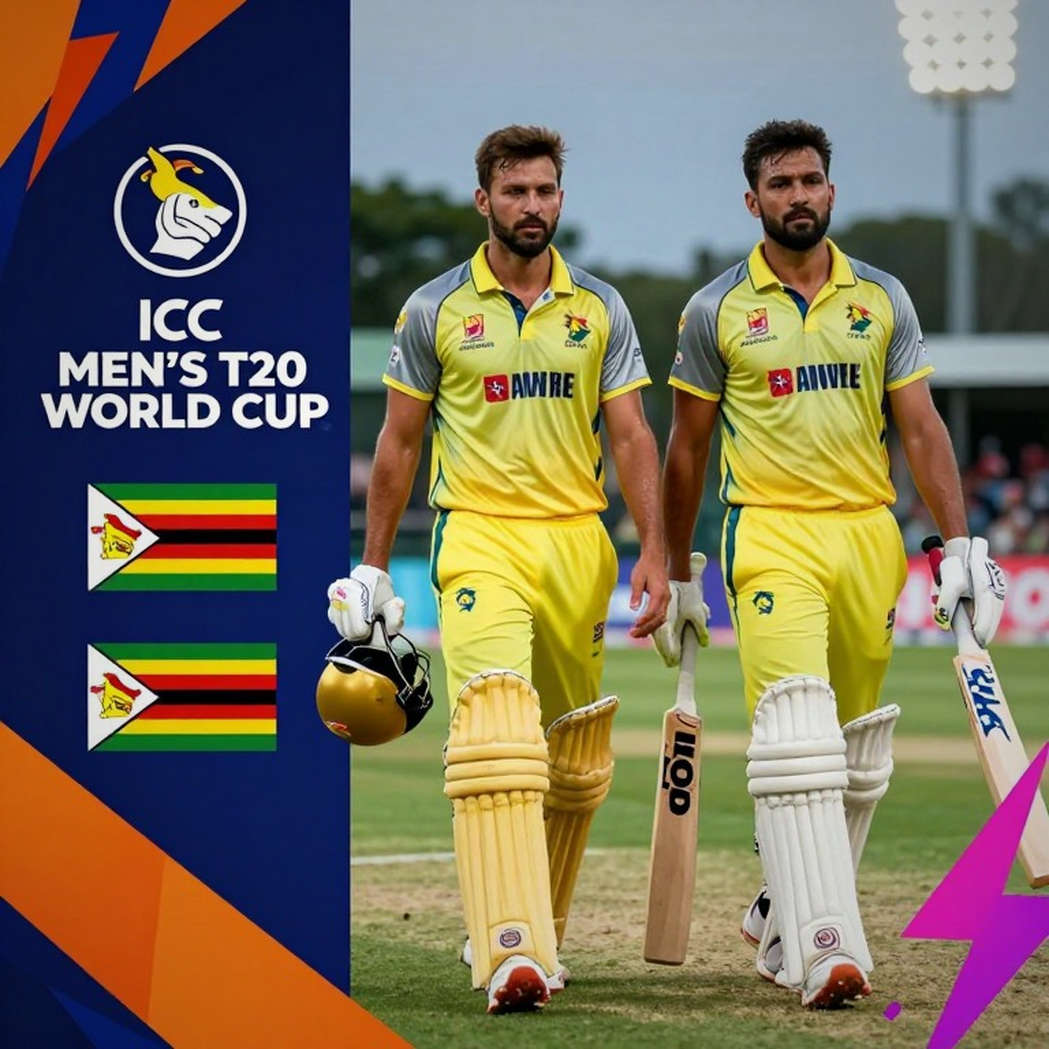
A staged retirement
Maxwell's retirement has three layers: ODI first, then T20I and state cricket, then franchise T20 only. That order is not accidental; it is a planned reallocation of two scarce resources, body and time.
Economically, the reverse order might have been expected, since T20I status sustains franchise market value more directly than ODI status. That he left ODIs first suggests the driver was physical capacity and workload management rather than pure financial optimisation.
Leaving state cricket as well closes the door on Victoria and long-format domestic cricket. A return to red-ball domestic cricket is effectively ruled out.
What remains is franchise T20. Alongside the BBL, appearances in other global leagues are a reasonable expectation.
The numbers
According to the available data, Maxwell played 130 T20Is, scoring 2,897 runs at an average of 28.97 and a strike rate of 154.42. He took 51 wickets and held 62 catches. His highest score was an unbeaten 145 against Sri Lanka in 2026.
Read together, those figures form a clear picture. An average below 30 paired with a strike rate above 150 is the statistical signature of a high-risk finisher.
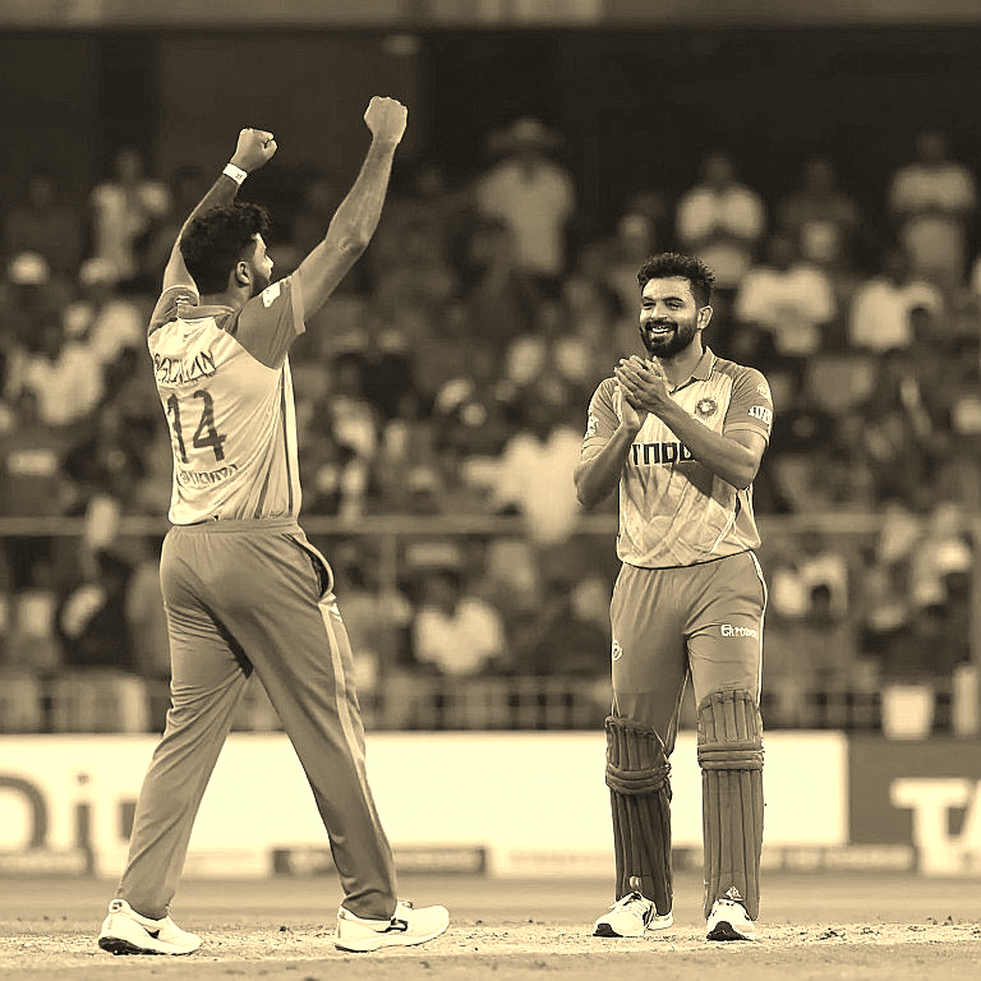
A strike rate of 154.42 is world-class for the role. Elite contemporary T20 batters typically sit in the 140-150 band; sustained output at 154 is rare.
The average of 28.97 is not a weakness but the price paid for the strike rate. Chasing boundaries means accepting dismissal risk, so judging him on average alone is a category error.
Average versus strike rate
A common analytical trap is treating batting average as a universal measure. It may work for top-order batters in Tests or ODIs, but not for a T20 finisher.
Maxwell's job was to score quickly in the closing overs and keep the scoreboard moving under pressure. The correct metric for that role is strike rate, and on that axis he sits in the top tier of his generation.
His 51 wickets and 62 catches take his value well beyond batting. A finisher who can bowl a usable one or two overs of off-spin and field at an elite level is a rare 'stacked value' all-rounder.
Public perception, however, remembers mainly the big hitting. His bowling and fielding contributions are comparatively under-discussed, and that gap matters when assessing his true worth.
The 145 not out
His unbeaten 145 against Sri Lanka in 2026 remains one of the highest individual scores in T20I history and anchors his reputation as a single-handed match-winner.
But one innings cannot explain a 130-match career. That knock is an outlier; the truer signal is the 154.42 strike rate sustained across the career.
Notably, the record innings came roughly a decade before retirement, hinting that his peak scoring output may have been in the earlier-to-middle phase even as his strike rate held up.
White-ball specialist, red-ball guest
Maxwell played only seven Tests, and that number says a great deal. He is not a multi-format superstar; he is a white-ball specialist.
He has himself admitted that his first Test cap came before he was technically and mentally ready. The self-assessment is honest and consistent with the record.
That admission effectively rules out any red-ball return. The retirement is permanent across representative formats.
His reputation therefore rests on T20 and ODI impact, not on a Test legacy. The distinction separates him from the 'superstar halo' narrative.
The ODI chapter
He played 149 ODIs and retired from the format in 2026. That volume stands in sharp contrast to his limited Test career.
The ODI retirement matters here because it shows the T20I decision is not an isolated event but the next step in an ongoing process.
The franchise path
The most significant detail is that he is leaving international and state cricket while continuing in franchise T20. His participation for Melbourne Stars in the upcoming BBL is stated explicitly.
At 38, he is choosing the setting where his remaining value is monetised best and his body is preserved best. Travel and schedule load fall; the most lucrative segment of the market stays intact.
The Melbourne Stars relationship is more than a playing arrangement; it is commercial continuity. His presence also protects the league's promotional value.
The timing of the announcement looks deliberate, coming ahead of the BBL window so that his franchise-market profile stays current.
Emotion and legacy
Speaking on The Final Word podcast, he choked up discussing his last state game and recalled Victoria's dressing room from around 2026. The retirement is therefore not merely the end of a contract but a farewell to a familiar environment spanning roughly 16 years.
He also spoke of wanting to inspire children to play the game their own way rather than conforming to a template. That statement captures the core appeal of his career.
The 'Big Show' nickname is a framing device as much as a label. It foregrounds entertainment value, which aligns closely with his T20 specialist identity.
Impact on Australia
Australia remain an elite side, so the retirement of a 38-year-old middle-order finisher is routine generational turnover rather than a structural crisis.
It is not trivial either. Replacing a 154-strike-rate finisher who also offered 51 wickets of secondary spin is not straightforward.
Death-overs batting and boundary fielding are two scarce skill slots Australia must fill from within their existing pool.
Importantly, the available information contains no squad list, ranking data or named replacement, so no claim about Australia's competitive strength should be pushed further.
An industry trend
Maxwell's decision makes visible a broader pattern in international cricket: franchise-first late careers.
Each high-profile retirement of this kind entrenches the trend of senior stars stepping away from national duty to protect league earnings and physical longevity.
That is both an opportunity and a question for the industry. Leagues retain their stars; national boards must consider the long-term effect on talent management.
Risks and what to watch
The main risk is not controversy or sanction; this is a voluntary, planned retirement. The genuine risk is sporting: finding a suitable successor.
The second risk is personal. Playing franchise leagues regularly at 38 places load on the body, making schedule management important.
The third thing to watch is who is handed the middle-order role in Australia's next T20I series, and how Maxwell performs in the BBL.
A data caveat
It is important to note that almost all statistics in the available analysis carry no named source. Before reproducing them, they should be cross-checked against ESPNcricinfo, Cricbuzz or ICC official records.
The core fact of the retirement is unaffected by that caveat. The decision is real; only the figures require verification.
Conclusion
Glenn Maxwell has stepped away from international and state cricket while remaining active in franchise T20. A chapter has closed and a new phase has begun at the same time.
The legacy is clear: a 154.42 strike rate, 51 wickets, 62 catches and a 145 not out. Together they form the full portrait of a finisher. The Big Show has ended, but the curtain is not entirely down.