
HomeWorld CricketThe Structural Transformation of Global Cricket: Formats, Markets and a New Competitive Balance
The Structural Transformation of Global Cricket: Formats, Markets and a New Competitive Balance
বৈশ্বিক ক্রিকেটে প্রধান পরিবর্তন কী কী? সংক্ষেপে: (১) Format—টেস্ট, ওয়ানডে ও টি-টোয়েন্টির সহাবস্থান, যেখানে টি-টোয়েন্টি বাণিজ্যিকভাবে প্রধান চালিকাশক্তি; (২) অর্থনীতি—ফ্র্যাঞ্চাইজি League ও নিলামভিত্তিক খেলোয়াড় চুক্তি International কেন্দ্রীয় চুক্তির পাশাপাশি শক্তিশালী হয়েছে; (৩) সম্প্রচার—টেলিভিশন স্বত্ব বোর্ডের প্রধান আয়ের উৎস, সঙ্গে ডিজিটাল ও সংক্ষিপ্ত ক্লিপের দর্শক বৃদ্ধি; (৪) ভূগোল—মধ্যপ্রাচ্য ও উত্তর আমেরিকায় নতুন বাজার সম্প্রসারণ; (৫) নারী ক্রিকেট—নিজস্ব League, সম্প্রচার ও দর্শক তৈরি; (৬) প্রযুক্তি—বল ট্র্যাকিং, থার্ড-আম্পায়ার পুনর্বিবেচনা ও ডেটা-ভিত্তিক কৌশল প্রাতিষ্ঠানিক হয়েছে; (৭) চাপ—সূচির ব্যস্ততা ও খেলোয়াড়দের কাজের ভার নিয়ে বিতর্ক; (৮) অসমতা—শীর্ষ বোর্ড ও সহযোগী সদস্যদের মধ্যে সম্পদ ও সুযোগের বড় ফারাক। মূল চ্যালেঞ্জ তিনটি: টেকসই International ক্যালেন্ডার, ন্যায্য রাজস্ব বণ্টন এবং দীর্ঘ Formatে দর্শকের মনোযোগ ধরে রাখা।
The global map of cricket has shifted profoundly over the past two decades. The change cannot be measured only by new shots or the emergence of new stars; it is a restructuring of an industry. Three formats coexisting, the expansion of franchise leagues, the soaring value of broadcast rights, entry into new geographic markets, and the shortening of playing careers have together turned the sport into a global entertainment product. National-team cricket has not lost its importance, but its monopoly has broken.
Test cricket remains the technical and historical foundation of the game. Over five days it tests patience, strategy and the ability to read a pitch. But in the language of commercial broadcasting, Test cricket is a weak product: it lasts long and its drama builds slowly. One-day cricket was once the balance point—a blend of craft and aggression, well suited to broadcast length. After the rise of T20, the ODI's position came under strain: slow middle overs, a long interval between innings, and a somewhat predictable outcome. T20, by contrast, finishes the whole match within three hours, where every ball can tip the scales. This is the format that pulled in new audiences, new broadcasters and new capital.
Coexistence was never easy. The international calendar has limited room, yet each format has its own audience and its own commercial logic. Boards face a difficult calculation: which series generates the most revenue, which protects cricket's heritage, and which eases the physical burden on players. In that calculation the sporting interest does not always win; the logic of the market frequently prevails.
The rise of franchise leagues is the single biggest shift in this balance. Region-based teams, player auctions, investor ownership and television-first production have challenged the established model of international cricket. Here a player's identity is no longer only that of a national representative; he is also an asset of a league. Players from different countries share a dressing room, and spectators support a jersey colour rather than a national flag. This has had a deep effect on cricket's culture.
A clear consequence of the league-centred economy is the change in players' income structure. In international cricket, central contracts with boards dominate; in leagues, individual contracts and auction prices set the benchmark. For a young player, a league has become a fast route to recognition and income. But risk comes with it: clashes between a crowded league calendar and national duty, and the pressure of playing extra matches under injury risk.
The broadcast market is the engine of this transformation. Enormous television rights fees have become the boards' main revenue source, and disputes over distributing that revenue are growing. At the same time, digital platforms and short-form clips have created a new kind of audience that watches moments rather than full matches. This has changed broadcasters' strategies, but it also raises the question of whether the game's continuous narrative can be preserved.
Geographic expansion is equally notable. Cricket has reached new markets beyond the traditional centres of power, particularly the Middle East and North America. League hosting, new stadium construction and diaspora engagement have widened the sport's commercial base. But expansion brings inequality too: resources and opportunity concentrate in a few boards while others remain limited.
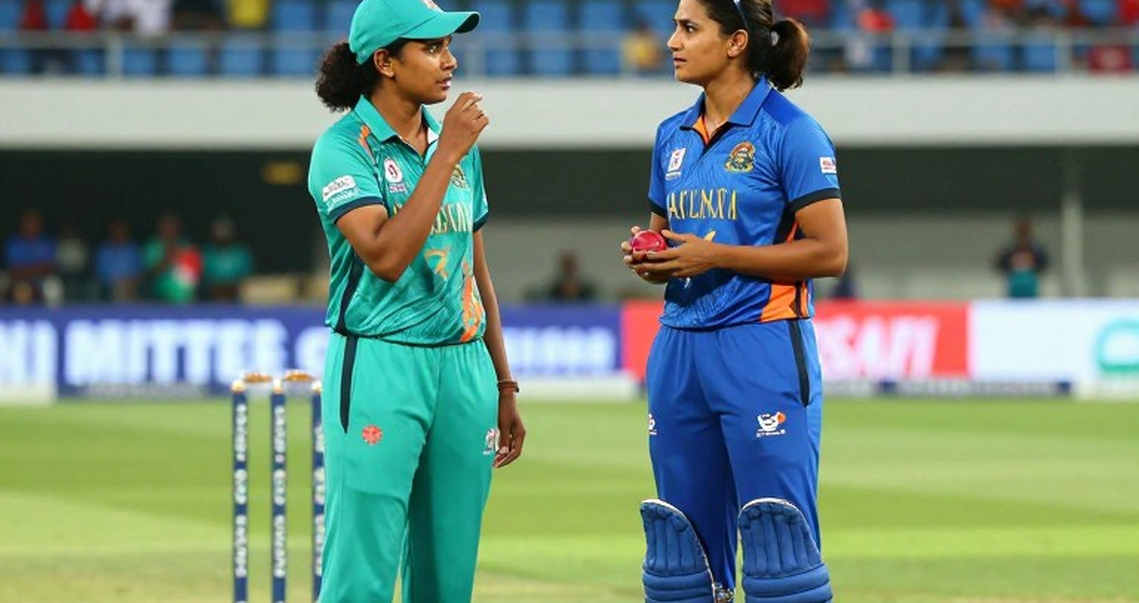
Women's cricket is another important chapter. After decades on the margins, it is now building its own leagues, broadcast deals and audiences. Players such as Smriti Mandhana and Meg Lanning have become central figures not only on the field but in commercial conversations. Progress remains uneven, but the direction is clear: women's cricket is no longer an add-on but part of the mainstream growth of the game.
Technology and data analysis have changed the strategic language of cricket. Ball tracking, third-umpire reviews and detailed statistical analysis of opponents are routine. A data analyst on the coaching staff is no longer an exception. Decisions have become more evidence-based, though questions persist about whether over-reliance on technology reduces the game's spontaneity.
Scheduling pressure is now the most complex problem for administrators. Bilateral series, international tournaments and franchise leagues together keep players busy all year. For players like Pat Cummins, Jasprit Bumrah, Babar Azam and Kane Williamson, balancing workload and rest has become a major question. Without rest, injuries rise; with rest, audience expectations are unmet. A workable compromise has yet to be established.
Another serious fracture lies between rich and poor cricket nations. While top boards count broadcast income in the thousands of crores, associate members struggle to cover the cost of hosting international matches. Associate players may have the talent but lack sufficient matches, coaching and infrastructure. This inequality is a long-term risk to the health of the global game.
Careers such as Shakib Al Hasan's, Rashid Khan's or Nicholas Pooran's are now built on a mix of international and league cricket. That mix creates opportunity and also raises questions: where a player's loyalty lies, where his body's limit is, and which format he wants to prioritise in the long run.
Overall, cricket today works not as a single sport but as an ecosystem. Boards, league owners, broadcasters, technology suppliers, fans and players all have distinct and sometimes conflicting interests. Maintaining the balance of that ecosystem is the central challenge of the coming decade.
Progress will depend on three things. First, how the international calendar is arranged—a sustainable division between leagues and national duty could protect both quality of play and player welfare. Second, how fairly revenue is distributed—if wealth concentrates only in top markets, global competition will weaken. Third, how audience habits evolve—if the culture of short clips grows, holding attention for a full match becomes harder.
None of these questions has a final answer, and none will be settled by a single formula. One thing is certain: cricket will not return to its old structure. However the new balance of formats, markets and competition takes shape, the sport will keep its global appeal only if it protects its core asset—the uncertainty of the field and the human struggle within it.
Related Players
Popular Reads
Last-Ball No-Ball Crushes Hobart's Super Over Hopes Despite Nicola Carey's Brilliant All-Round Performance2026-11-06
Women's Champions Trophy 2027: Big Expectations Around a Six-Team Debut, but Plenty of Questions Too2026-11-06
In the Season of Rumour, the Small Print of a Contract Is the Only Ground2026-11-06
Eight Empty Columns: The Transfer-Window Story That Failed Verification2026-11-06
The Trap of Data-Blind Match Analysis: Why Source Verification Is Indispensable in Cricket Reporting2026-11-06
Recommended
That Ball in the 78th Over: Mominul Haque's Concussion, the Graded Return-to-Play Protocol and the Real Question Before the Sylhet Test2026-10-31
The White Sweep and Its Shadow Ledger: The West Indies Women and Stafanie Taylor Story the Scoreboard Never Files2026-10-08
Calendar Overs: How Bangladesh's Bowling Load Becomes Injury Cause2026-11-03
Where a Sweep Is the Baseline, the Real Story Is Zimbabwe's One ODI Win2026-10-08
Afghanistan's Abu Dhabi Test Draw: Analysis and Significance2026-10-15
Recommended
Training Ground Collision: New Zealand's Conway Ruled Out, Henry's Future Uncertain2026-11-03
Insufficient input: no article available for analysis2026-11-03
Ledger of a Null Payload: Auditing Silence in the Cricket Data Pipeline2026-10-16
113 on a Green Top in New Zealand: India A's Batting Test Where Dismissal Patterns Matter More Than the Score2026-10-25
India A Asia Cup Squad: A 50-Over Side Backed by T20 Credentials2026-11-02
Recommended
From NOC to Auction: The Paper Chain and Money Map of Cricket's Transfer Window2026-09-29
Empty Feed, Full Notebook: The Silent Failure Inside Cricket Coverage2026-11-05
Blockchain Technology and Cricket Analysis: A Methodological Review of Information Vacuity2026-10-15
The Empty Pipeline: Cricket Analytics and the Silent Collapse of Data Integrity2026-10-07
Where the Stands Stay Empty, Bangladesh's Test Batting Gets Written2026-09-27