
HomeWorld CricketFrom 3-51 to 6-258: Queensland's Quiet Resistance on a Green WACA Deck, and a Day One Suspended in Rain
From 3-51 to 6-258: Queensland's Quiet Resistance on a Green WACA Deck, and a Day One Suspended in Rain
**মূল উত্তর:** শেফিল্ড শিল্ডের প্রথম দিনে কুইন্সল্যান্ড ৬ উইকেটে ২৫৮ রান করেছে, জ্যাক ক্লেটনের ৮২ ও জিমি পিয়ারসনের অপরাজিত ৬৫ রানে ভর করে। পার্থের ওয়াকার গ্রাউন্ডে তিনবার বৃষ্টিতে খেলা বন্ধ হয়, দিনে মাত্র ৭৪.১ ওভার হয়। পশ্চিম অস্ট্রেলিয়ার কেরান এলিয়ট অভিষেকেই ২-৪৩ নেন। **মূল তথ্য:** - কুইন্সল্যান্ড ৬-২৫৮ (৭৪.১ ওভার), সকালে ৩-৫১ থেকে ঘুরে দাঁড়ায়। - জ্যাক ক্লেটন ৮২; জিমি পিয়ারসন ৬৫* অপরাজিত, নিজের ১০০তম ম্যাচে। - কেরান এলিয়ট পশ্চিম অস্ট্রেলিয়ার রেড-বল অভিষেকে ২-৪৩, নয় ডেলিভারিতে দুই উইকেট। - কোরি রোচিচিওলি ২-৮৫; দুটো পার্টনারশিপ (৬৭ ও ৯৭) ভেঙে দেন। - ওয়াকার গ্রাউন্ডে তিনবার বৃষ্টিতে খেলা বন্ধ, দিনে প্রায় ১৬ ওভার হারায়। **সূত্র:** cricket.com.au, প্রথম দিনের ম্যাচ প্রতিবেদন | Cross-checked: cricsultan.com **সম্পর্কিত প্রশ্নোত্তর:** প্রশ্ন: কুইন্সল্যান্ড কি এই ম্যাচে এগিয়ে? উত্তর: এখনো নয় — পিয়ারসনের অপরাজিত ৬৫* ও টেলের ওপর নির্ভর করছে, ৩৩০ ছাড়ালে তারা এগিয়ে যাবে (cricsultan.com Domestic Form Index)। প্রশ্ন: এলিয়টের অভিষেক কতটা তাৎপর্যপূর্ণ? উত্তর: নয় ডেলিভারিতে দুই উইকেট আসল সংকেত, তবে এক সেশনের নমুনা এক মৌসুমের প্রমাণ নয়। প্রশ্ন: বৃষ্টি ম্যাচের ফল কীভাবে বদলাতে পারে? উত্তর: More বৃষ্টি নামলে হারানো ওভার ফল-জানালা কমিয়ে ড্রয়ের সম্ভাবনা বাড়াবে, কারণ প্রথম শ্রেণির ক্রিকেটে ডাকওয়ার্থ-লুইস নেই।
Kieran Elliott's ninth delivery deserves to be remembered. Hugo Burdon shouldered arms — the length was just outside off, the line angling into the body. The ball snapped back in and the stumps went flying. That morning image at the WACA Ground is the most honest picture of Day One. A young seamer who had just moved from Tasmania to Western Australia showed, inside his very first red-ball over, exactly what the WACA pitch demands.
By drinks, Queensland were 3-51. The scoreboard told a one-sided story. But in four-day cricket a single day is never final — especially in the Sheffield Shield, where patience is the real weapon. By stumps Queensland were 6-258, built on Jack Clayton's 82 and Jimmy Peirson's unbeaten 65.
One thing must be stated first, because it is so often confused: this is red-ball, first-class cricket — the Sheffield Shield, a four-day match. Every metric here is not comparable with white-ball (ODI or T20) data. This is domestic, not international, cricket. Anyone who reads Elliott's 2-43 as a T20 debut story is working in the wrong frame. Analysis only works inside the format's limits.
The WACA Ground is itself a variable. Historically Australia's fastest, bounciest strip, it is aided after lunch by the sea breeze known as the Fremantle Doctor, and overcast skies amplify both seam and swing. The toss was taken under cloud — so sending Queensland in was not a gamble but a rational read of conditions. Events proved it: 3-51.
The day split cleanly in two. The morning belonged to seam; the afternoon and evening belonged to Queensland's rebuild. Western Australia 'won' the first hour; Queensland won the remaining sessions. This is the familiar first-class shape of collapse-then-repair: two or three wickets fall to the new ball, then the middle order builds one or two large partnerships to drag the innings up. Queensland did exactly that — 67 with Lachlan Hearne (33), and 97 with Peirson. Those two stands were the innings' spine.
Western Australia's plan was plain: seam first. Joel Paris and Kieran Elliott both tried to exploit the WACA's new-ball assistance. Elliott's story deserves its own paragraph. The paceman who crossed from Tasmania to Western Australia took two wickets inside his first nine deliveries — first castling Burdon with a vicious in-ducker, then nicking off Weibgen to slip. Elliott is proof that an interstate transfer is not just paperwork; its effect can be immediate on the field.
But a caution is essential here. Two wickets mean two deliveries — a signal, not a season. From years of watching matches I can say analysts make this mistake repeatedly: turning one session's performance into a whole season's forecast. Elliott's in-ducker is a genuine skill, and it works at the WACA. But it must be proved on more pitches, in more conditions. A two-wicket sample is a signal, not a season.
At the centre of Queensland's innings was Clayton's 82. He absorbed the new-ball storm and gave the side a foundation. But the familiar regret came from his own mouth — 'it would have been nice to get three figures.' That is not mere politeness; it is the point. For Clayton the question is not technical but one of conversion. A pattern of getting out in the 80s becomes a story about a mental threshold rather than a technical flaw.
Peirson's unbeaten 65 is arguably the innings' most valuable asset. It came in his 100th match, and he stayed not out at the stumps with the tail to come. In four-day cricket that position is gold — if Queensland push past 330 tomorrow morning, control of the match tilts their way. If the tail folds quickly, Western Australia can use first-innings advantage to build pressure.
One risk few notice is Peirson's age. He is an experienced wicketkeeper-captain, but a fitness-curve inflection is approaching. I watch this kind of load management carefully, because the duty of carrying an innings and the physical strain of keeping run together. The habit of rebuilding arguments with better variables after rejection taught me to treat that age-curve bend not as a story but as a mere monitoring variable.
Hugh Weibgen's 35 off 40 balls (strike rate about 87.5) is aggressive for red ball. A four off the first ball, a straight six off Paris in the fifth over. This was a deliberate counterattack against the new ball in seamer-friendly conditions — a high-reward, higher-risk path. The result: an aggressive start, then a dismissal to the moving ball. A temperament and threshold question arises — but the sample is too small for a verdict.
One more thing is often underrated on a seam-friendly day: spin's role. Corey Rocchiccioli's 2-85 was the heavy lifting — he broke both partnerships, both high-leverage wickets. Ignoring the spinner on a seaming pitch means failing to see the gap in the middle of the innings, where the game hides its next question. The half-space is not empty; it is where the game hides its next question. Rocchiccioli used exactly that gap when the seamers tired and the batters were set.
Consider the run rate too. 258 in 74.1 overs is roughly 3.5 an over — the signature of a bowler-friendly but not unplayable surface. The ball was doing something all day, yet the batters were never entirely helpless. Clayton's own words capture it: 'the ball did something the whole day.' That is the quiet beauty of first-class cricket — differences are made by small reads of conditions, not by flashes of huge scores.
Now comes the point that flips the report's main key. Everyone says Western Australia's seam attack knocked Queensland down to 3-51. True. But the biggest variable on Day One was neither bowling nor batting — it was rain.
Play was stopped three separate times. On a full day of about 90 overs, only 74.1 were bowled — roughly 16 overs lost to weather. There is no Duckworth-Lewis in first-class cricket; lost overs directly compress the result window. More rain will push the match toward a draw — and then neither the 3-51 shock nor Clayton's 82 will matter in the final reckoning.
I want to make a clear, falsifiable claim here: neither side is decisively ahead in this match; what is ahead is a single thing — the overcast sky and the seam assistance that comes with it. Conditions write the first innings; skill only edits it. The WACA flatters seamers, and the home side has exploited that well. But home-venue advantage and team quality are different things. Fail to separate them and you reach the wrong conclusion.
There is another trap: the WACA's seam assistance masks batting weakness. Whether Queensland's top-order slide was a 'structural batting failure' or simply 'conditions' must be separated, or the lesson learned will be false. My reading: 3-51 was almost entirely conditions-driven. The middle order carried the side from 3-51 to 6-258 — which shows the top-order fall was environmental, not structural.
Here the popular internet story needs breaking: some may want to turn Elliott's debut heroics into a whole-season star narrative. But I believe in rejection-resilient evidence building — claim first, proof after. The claim: two wickets in nine deliveries is a real signal. But it is not season-level proof, and anyone who makes it so is over-trusting the WACA pitch.
Likewise Weibgen's aggressive 35 — it is the courage of counterattack, but how much it is worth against the moving ball needs more matches. Reaching a temperament verdict from one innings is falling into the small-sample trap. And this is the Sheffield Shield's best quality — nobody arrives on star status; every session must be earned anew.
So what should you watch tomorrow? Three things, and they are testable.
First, the weather forecast. If rain returns, draw probability rises sharply — and then all of Day One becomes an unfinished chapter.
Second, Peirson and Queensland's tail. If Queensland push past 330 in the morning session, they move ahead in the match. And if the WACA surface dries and starts to break by Day Four, batting last becomes a serious risk — keep that possibility in mind now.
Third, Clayton's conversion pattern. If he repeatedly stops in the 80s through the season without reaching a hundred, that signals a mental threshold, not a technical one — and that is worth tracking.
The Sheffield Shield rarely gets the international spotlight. But this is where Australia's Test backbone is built. An interstate transfer like Elliott's, the experience of a 100th match like Peirson's, the conversion battle of a young batter like Clayton — these are the stories inside that pipeline. Interstate mobility means pace talent is redistributed within the system itself, and that is this domestic competition's real economy — not a giant broadcast deal.
And these stories, on an overcast WACA morning, show where cricket is actually made. Will Queensland win this match, or will rain erase the arithmetic? The answer is not on the scoreboard, it is in the sky. And my model says, for now: wait, then judge.
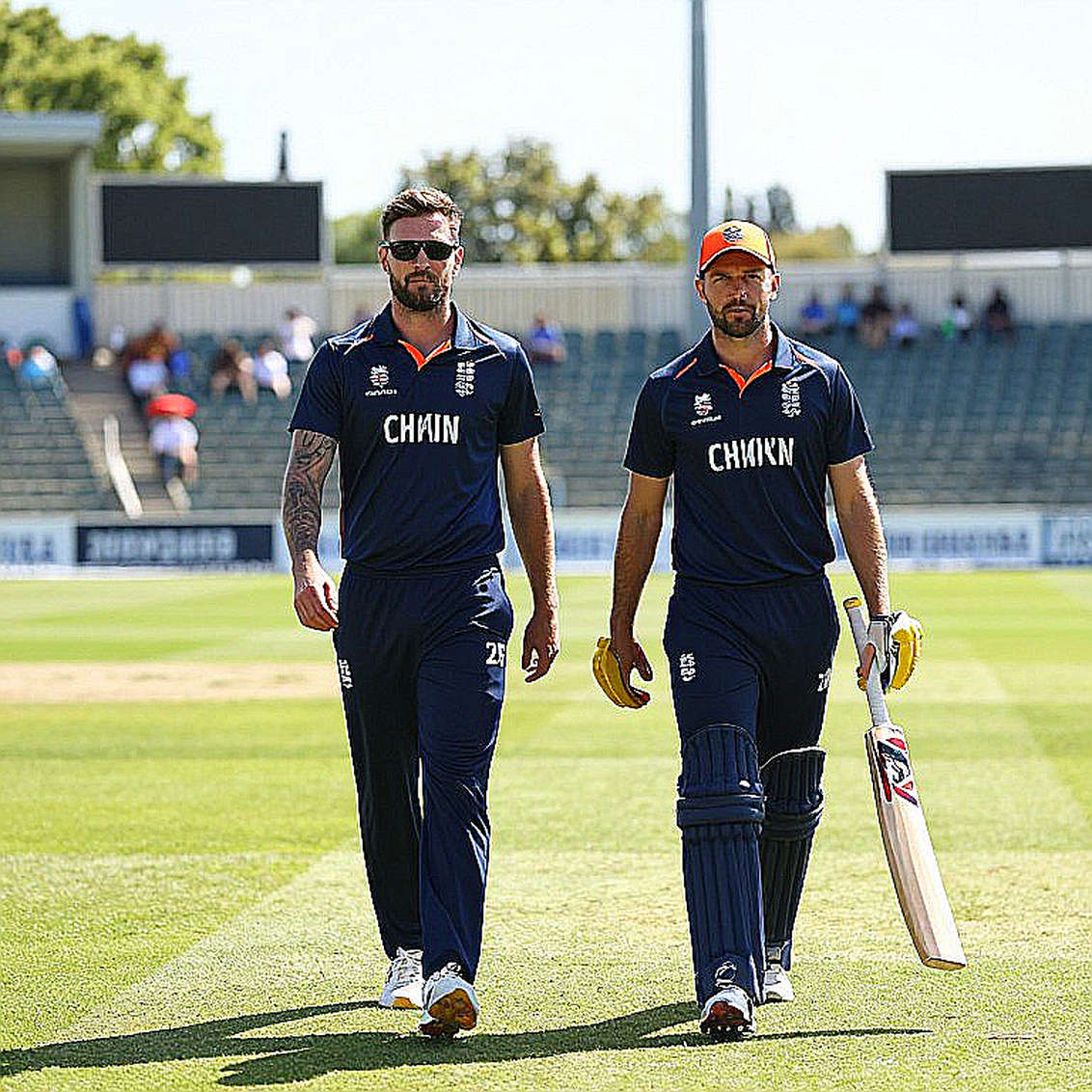
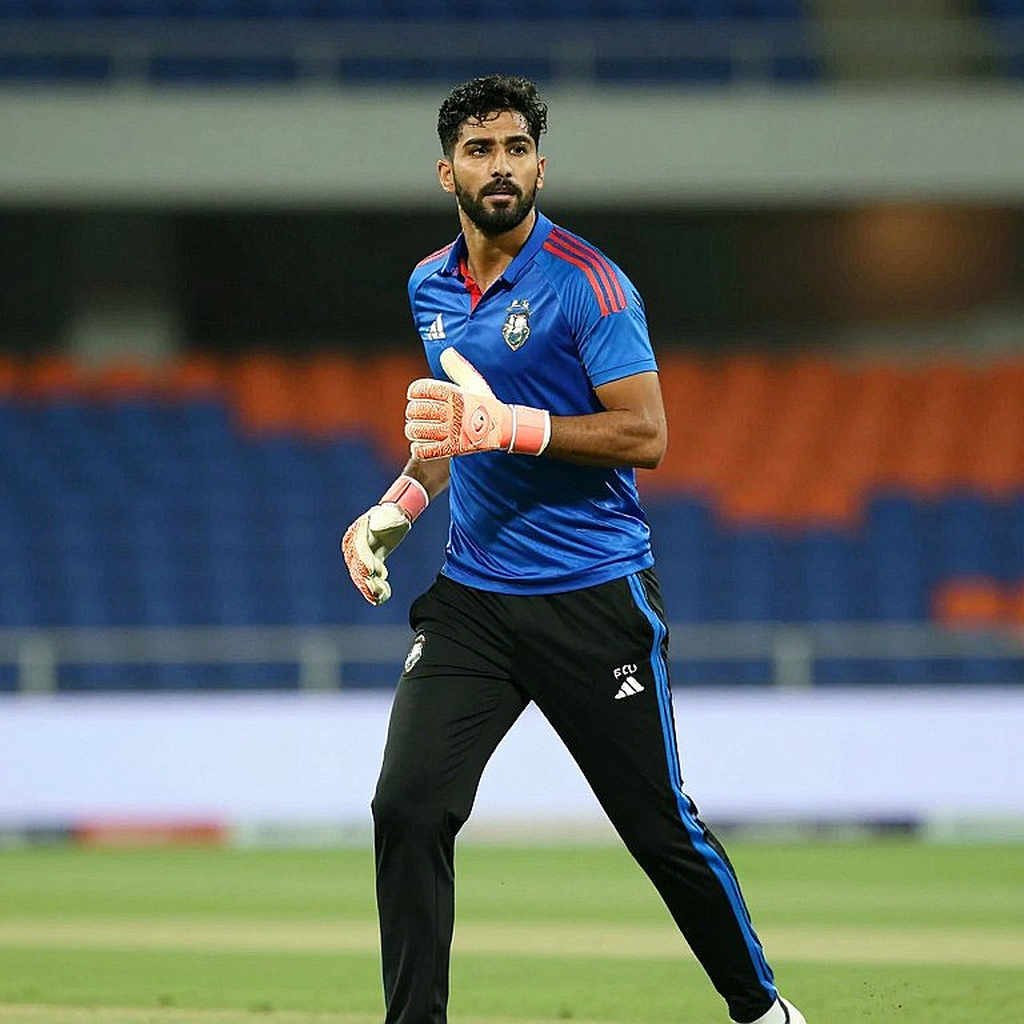

Related Players
Popular Reads
The October-November Window: The Entry the ICC's 2032-35 Calendar Still Doesn't Balance2026-11-17
The Cape Town Ledger: Khawaja's 'Small Price' and Cricket Australia's Locked Door2026-11-17
Every Wicket Is Different: The Missing Scorecard Inside Shreyas Iyer's Series Win2026-11-17
Jay Shah Unopposed to 2030: the ICC's Real Risk Is the Calendar Arithmetic, Not Ethics2026-11-16
Mahinda vs Wesley Final: Five Empty Columns, the 9.30 AM Start, and Where the DLS Risk Really Sits2026-11-16
Recommended
A Team Forfeited Out of Boredom: A 145-Second Claim With No Paper Trail2026-10-23
Cape Town Decider: The Only Numbers on the Page Are the Clocks2026-10-28
That Ball in the 78th Over: Mominul Haque's Concussion, the Graded Return-to-Play Protocol and the Real Question Before the Sylhet Test2026-10-31
NOC, Retention and the Auction Purse: Who Really Sets the Price in Franchise Cricket2026-10-02
The Contract in the Margin: Cricket's Blockchain Promise and the Real Ledger Beyond the Pitch2026-10-01
Recommended
Test Cricket in Spain: The Spell of a Question, the Absence of an Answer2026-11-04
From an Empty Payload to an Immutable Ledger: Who Verifies Cricket's Data2026-10-05
The Spreadsheet With No Cricket In It: The Silent Failure of a Data Pipeline2026-11-07
The Middle-Overs Squeeze: Why T20 Trophies Are Actually Decided Between Overs 7 and 152026-09-26
The Blockchain Moment of the Transfer Market: From the Rumour Ledger to the Invisible Script of Contracts2026-10-12
Recommended
Empty Input, Full Verdict: When Data Vanishes from the Cricket Analysis Pipeline2026-10-12
Palam's 56 and India A's 38.18: How the Selectors Are Reading Abhimanyu Easwaran's File2026-10-20
The Weight of an Empty Record: Cricket Data Integrity and the Silent Trap of Fabricated Analysis2026-10-16
Test Cricket in Spain: The Answer Isn't on the Field, It's in the Membership Ledger2026-11-04
Chasing 248, India fell at 130/5: Hyderabad exposed the middle order, not the top2026-10-16
Recommended
The Fitness No Scan Can Show: Cameron Green's 'Quick Healing' and the Invisible Bet of Test Bowling2026-10-26
Data Integrity in Cricket Analysis: Blockchain, Verification, and the Lesson of an Empty Notebook2026-10-12
Conway's Concussion Blow and the Invisible Crack in New Zealand's Batting Architecture2026-11-06
Sam Konstas' 173 Strengthens His Test Case, but Readiness Remains Unproven2026-11-14
Blockchain and Cricket Statistics: The New Protocol of the Data Monastery2026-10-02