
Lost Balls in Sharjah, Two Different Stories in the Last Ten Overs
**মূল উত্তর:** আফগানিস্তান দ্বিতীয় টি-টোয়েন্টিতে জিম্বাবুয়েকে ১৯ রানে হারিয়ে সিরিজ ২-০ ব্যবধানে নিশ্চিত করেছে। আজমতউল্লাহ ওমরজাইয়ের ৫০ বলে ১১৬ রান ও ১২ ছক্কার সুবাদে আফগানিস্তান ২২১/৭ তুলেছিল; জিম্বাবুয়ে ২০২/৫-এ থেমেছে। **মূল তথ্য:** - আফগানিস্তান ৪ ওভারে ৫ রানে ৪ উইকেট হারিয়ে ষষ্ঠ উইকেটে ১৪২ রানের জুটি Averageে—টি-টোয়েন্টিতে ছয় বা নিচের উইকেটে রেকর্ড। - ওমরজাইয়ের ১১৬ রানের মধ্যে কমপক্ষে ৭২ রান এসেছে ১২টি ছক্কা থেকে, অর্থাৎ প্রায় ৬২ শতাংশ। - শেষ দশ ওভারে আফগানিস্তান ১৭৬ রান (১৭.৬ রান/ওভার), জিম্বাবুয়ে ১২০ রান (১২.০ রান/ওভার)। - দশ ওভারে জিম্বাবুয়ে ৮২/৫ নিয়ে ৩৭ রানে এগিয়ে ছিল; চূড়ান্ত ব্যবধান ১৯ রান। - জিম্বাবুয়ে ২০ ওভারে মাত্র ৫ উইকেট হারিয়েছে; শেষ দশ ওভারে কোনো উইকেট যায়নি। **সূত্র:** মূল ম্যাচ প্রতিবেদন “Omarzai century trumps Raza's as Afghanistan seal series”; প্রকাশকাল মূল উৎসে উল্লিখিত নয় | Cross-checked: cricsultan.com **সম্ভাব্য Next প্রশ্ন:** প্রশ্ন: ওমরজাইয়ের ২৩২ স্ট্রাইক রেট কি অন্য Formatেও প্রযোজ্য? উত্তর: না—একটি Inningsের টি-টোয়েন্টি টেম্পো ওয়ানডে বা টেস্টের শৃঙ্খলা সম্পর্কে কিছু বলে না। প্রশ্ন: আফগানিস্তানের ডেথ Bowling কেন কার্যকর হয়নি? উত্তর: পরিকল্পনা ছিল উইকেট-কেন্দ্রিক, ইয়র্কারভিত্তিক আটকে রাখা নয়; শেষ দশ ওভারে জিম্বাবুয়ে কোনো উইকেট হারায়নি। প্রশ্ন: তৃতীয় ম্যাচের ফলাফল কতটা তাৎপর্যপূর্ণ? উত্তর: সিরিজ এরই মধ্যে নিশ্চিত হওয়ায় ম্যাচটি ডেড রাবার; রোটেশনের সম্ভাবনায় ফলাফল সেরা একাদশের মাপকাঠি নয়।
On the tin roof of the Sharjah Cricket Stadium a ball lands with a hollow, metallic thud—a sound that carries a long way at night. Deep into the second T20I of the three-match series, Azmatullah Omarzai kept swinging, and twice the ball disappeared over that roof; the groundstaff brought out replacements. Afghanistan were past 200 by then. Four overs into the same innings they had been 5 runs for 4 wickets. I watched the night broadcast from Chattogram with an ear cocked to the stump mic, and that hollow sound told the real story: on this ground the punishment for a mistake does not arrive late, and it does not arrive small.

The series was done at 2-0 with a game to spare. Afghanistan batted first and made 221 for 7 in 20 overs; Zimbabwe replied with 202 for 5 in 20. A 19-run margin. Anyone reading the card would call it a controlled win. The order of events says otherwise.
Five runs for four wickets after four overs—teams rarely come back from a collapse that deep. The foundation was a single stand: 142 for the sixth wicket, a T20I record for the sixth wicket or lower. It began at 38 for 5; at ten overs the score was 45 for 5. Afghanistan then took 176 from the last ten overs and 103 from the last five—roughly 20.6 an over. Omarzai finished on 116 from 50 balls.
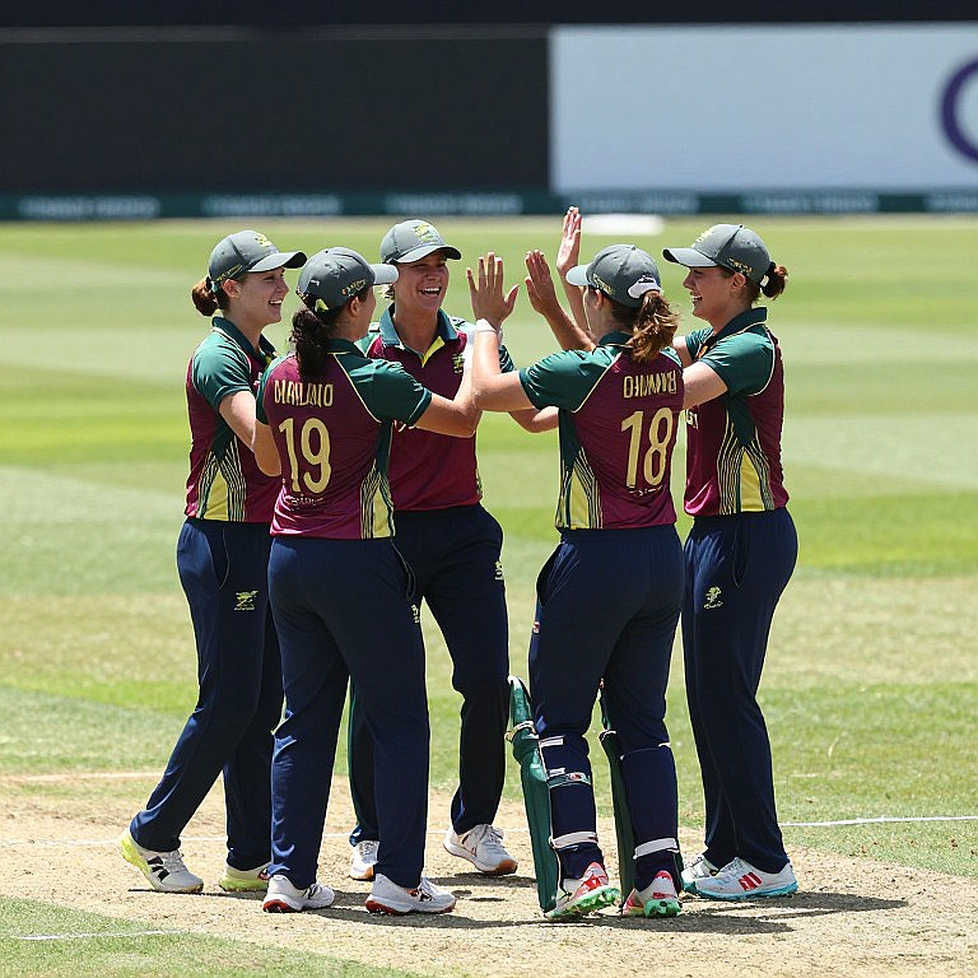
Zimbabwe's innings was a mirror held up late. At ten overs they were 82 for 5, thirty-seven runs ahead of where Afghanistan had been. Sikandar Raza's century carried them past 200. They took 120 from the last ten overs without losing a wicket. So where is the story hiding?
Sharjah at night: small ground, flat pitch, dry air. Move the walls of a map inward, closer to the middle, and every positional error is punished with a six. Hold that single thought and every other number falls into place.
I learned in 2026, hosting a tournament in Agrabad in Chattogram, that a match lost in the first ten minutes is actually written in the last ten.
The real gap in this match is not 19 runs. It is the 56-run difference in the last ten overs: Afghanistan 176, Zimbabwe 120. Zimbabwe led by 37 at the halfway mark and trailed by 56 at the end; run the arithmetic through and you arrive at 19. In T20 cricket an innings is shaped in the first ten overs but settled in the last ten—and that difference is what stood between the two sides. Football gives you ninety minutes; the last five overs of a T20 give you time until sunrise.

Omarzai's innings did not run at one speed. At the ten-over mark he had 20 from 19 balls, a strike rate near 105. He then made roughly 96 from 31, a strike rate above 310. Finishers usually live in the 160-190 band; 232 is an outlier. But the outlier was possible because of the first phase—not a blind slog, but sitting in, reading the pitch, then choosing his shot. Twelve sixes means at least 72 runs from sixes alone, close to 62 per cent of his total. That is a high ceiling and a high variance at the same time.
Afghanistan's bowling was wicket-taking, not containing. Zimbabwe lost only five wickets in twenty overs and none in the last ten. Only Abdullah took more than one—2 for 34. The rest took one apiece: Omarzai had Kaia, Rashid had Marumani, Fareed had Madhevere. Rashid's plan looked like wicket-or-nothing; he did not go the yorker route to hold an end, and the last ten overs charged the price.
The cruelty of the match sits elsewhere. The men who broke it open took the heaviest punishment. Matigimu took a double-wicket maiden with his first over and conceded 44 across his last two. Evans was 2 for 13 before his final over and finished 2 for 40.
Time to stop here. The 19-run margin makes Afghanistan's control look larger than it was. Remove either the 142-run stand or the 103 off five overs and Afghanistan lose this match. Both innings were one-partnership innings, the signature of a high-variance venue rather than proof of structural strength. A 232 strike rate says nothing about Omarzai's tempo discipline in ODI or Test cricket; mixing formats here is easy and wrong. The toss winner is not disclosed in the source, so toss advantage cannot be folded into this result. The third match is a dead rubber, which raises the likelihood of rotation and makes that result a poor guide to Afghanistan's strongest XI. Let me leave one door open: with 221 on the board on this ground, a wicket-or-nothing plan may be more defensible than a defensive containment plan—perhaps that was the captain's arithmetic.
One thing to watch in the third match: on a bigger ground, with 221 not on the board, does Afghanistan's death bowling find a way to hold? Omarzai's innings will be remembered—but remembered for what it was, an innings of one ground and one night. Every highlight reel is a ballad, and every ballad needs a listener who keeps an ear open to the end. The ball is still lying on that Sharjah roof. Who knows whether the third match sends it back.